Picture the scene: There's a power cut. It goes dark. Your TV, refrigerator and computer all shut down. How long will it last? Who knows?
Power outages are normally brief affairs, but in disasters like 2012's Superstorm Sandy, people could be left without power for days.
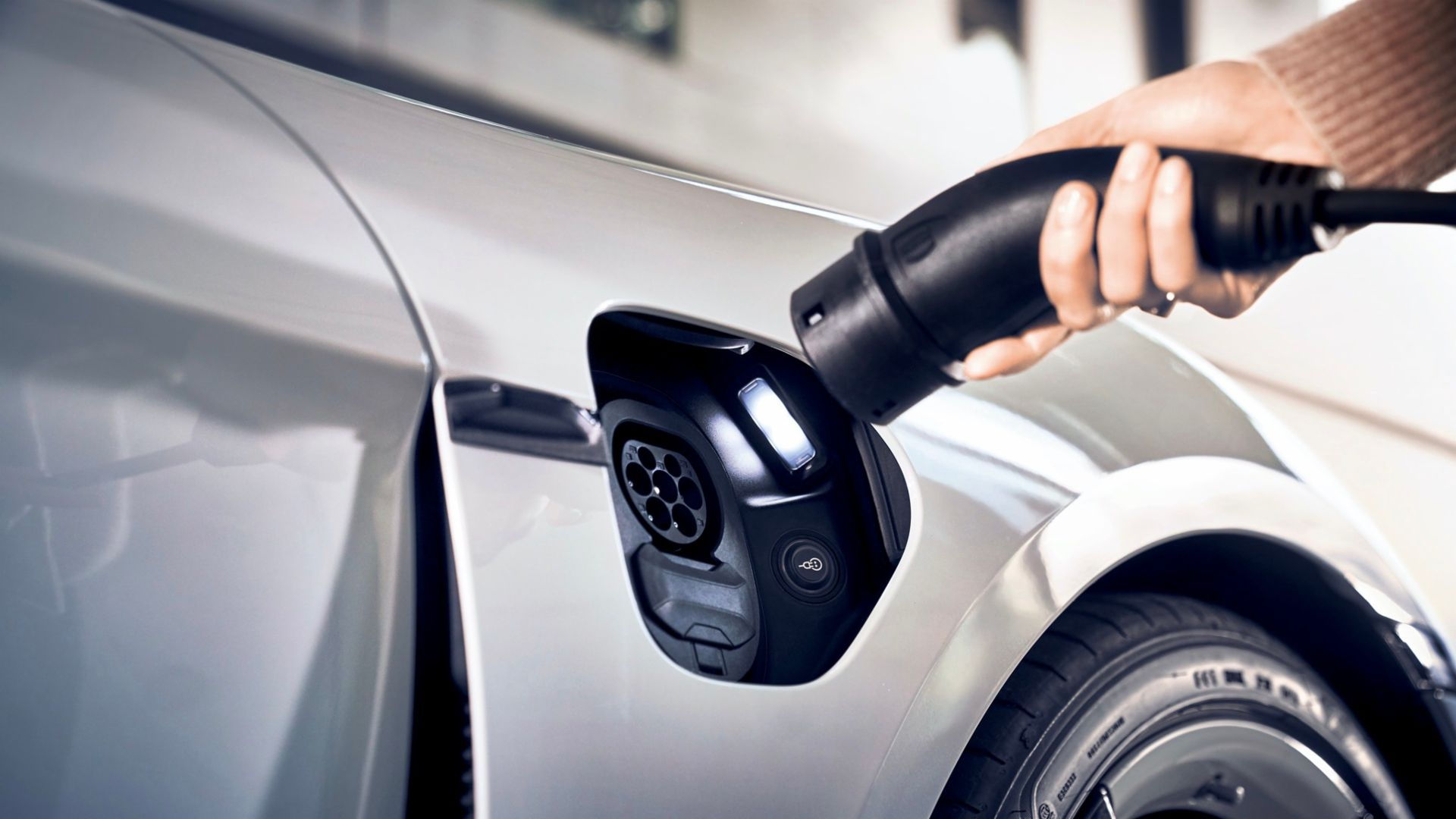
A potential solution, increasingly coming to light, is that of using electric vehicles as a backup energy source. And now, the Department of Defense is taking the idea seriously too.
The DoD's interest is twofold, explains the Federal Times.
Firstly, the department is looking to cut money, and electric vehicles are looking more tempting than ever for vehicles which only ever run around Army and Air Force bases.
However, not all vehicles are running all the time, and many may sit unused for periods of time. Here, the DoD can potentially save even more money, as power from the vehicles can be returned to the grid, generating a little extra revenue.
To determine just how effective this could be, a trial will run from August for a year. Each vehicle--including passenger cars, trucks, and buses--could bring in as much as $7,300 per year using this technique. If successful, the scheme will expand from five initial installations, to 30 installations across the country.
The other benefit, as alluded to, is that of mitigation for grid failures.
At Fort Carson, Colorado, the Army is researching into a project to help the base become energy independent of the local civilian grid.
Should the local grid go down, the base could use electric vehicles, plugged into a "microgrid", to stay online until the main grid is repaired. Energy could be directed through the microgrid to whichever buildings or systems needed it.
The grid would be used in conjunction with diesel generators and solar power, keeping energy use as low as possible.
Electric vehicles have already proved their worth in similar situations, including during the 2011 Japanese earthquake and tsunami where some vehicles were turned into backup power sources in devastated regions.
Nissan also offers a "Leaf to home" backup power system, in its Japanese home market.
While tsunamis are a rare occurrence, general power outages are less rare--and if electric vehicles can provide power when the lights go out, then that's just another string to their bow.
+++++++++++