Starting with its rollout in the 2012 Buick Lacrosse, GM has steadily added its eAssist mild-hybrid system to an expanding roster of vehicles.
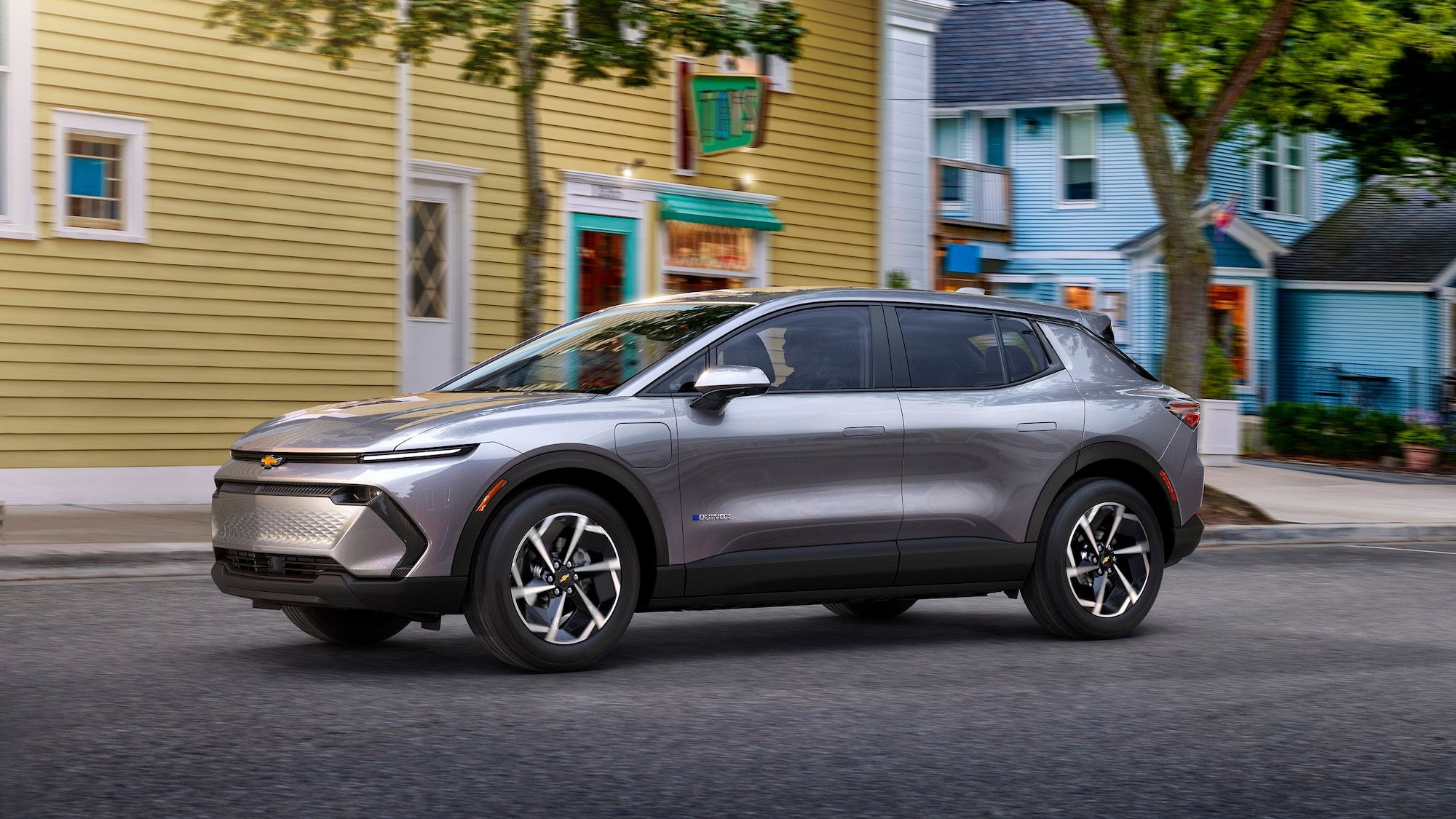
Next year, it will be offered as an option on the 2014 Chevrolet Equinox and the 2014 GMC Terrain, which will be the first crossover utility vehicles to receive the system.
The news was reported by GM Insider this morning, based on Vehicle Identification Number (VIN) cards issued by General Motors for 2014 models.
UPDATE: GM representative Joe LaMuraglia contacted Green Car Reports to say the original report was incorrect. The VIN card located by GM Insider, he claimed, was a mockup that contained only placeholder information, not actual production data.
Following Chevy nomenclature, the Equinox with the mild hybrid system added to the 2.4-liter four-cylinder engine will likely be dubbed the 2014 Chevrolet Equinox Eco.
The "Eco" suffix indicates Chevrolet's most fuel-efficient models, and on the 2013 Malibu and the 2014 Impala, it means the car is fitted with the 2.4-liter engine and hybrid system.
Only the Cruze Eco compact sedan breaks the mold, with a downsized and turbocharged 1.4-liter engine rather than the larger four with the hybrid system.
Other cars currently offering the eAssist system (which is the Buick label) as standard or optional include the Buick Verano compact sedan, Regal mid-size sedan, and Lacrosse full-size sedan.
The Terrain drossover will be the first GMC vehicle to receive the mild-hybrid system and, as yet, it's unclear how General Motors' all-truck brand will label its highest gas-mileage option.
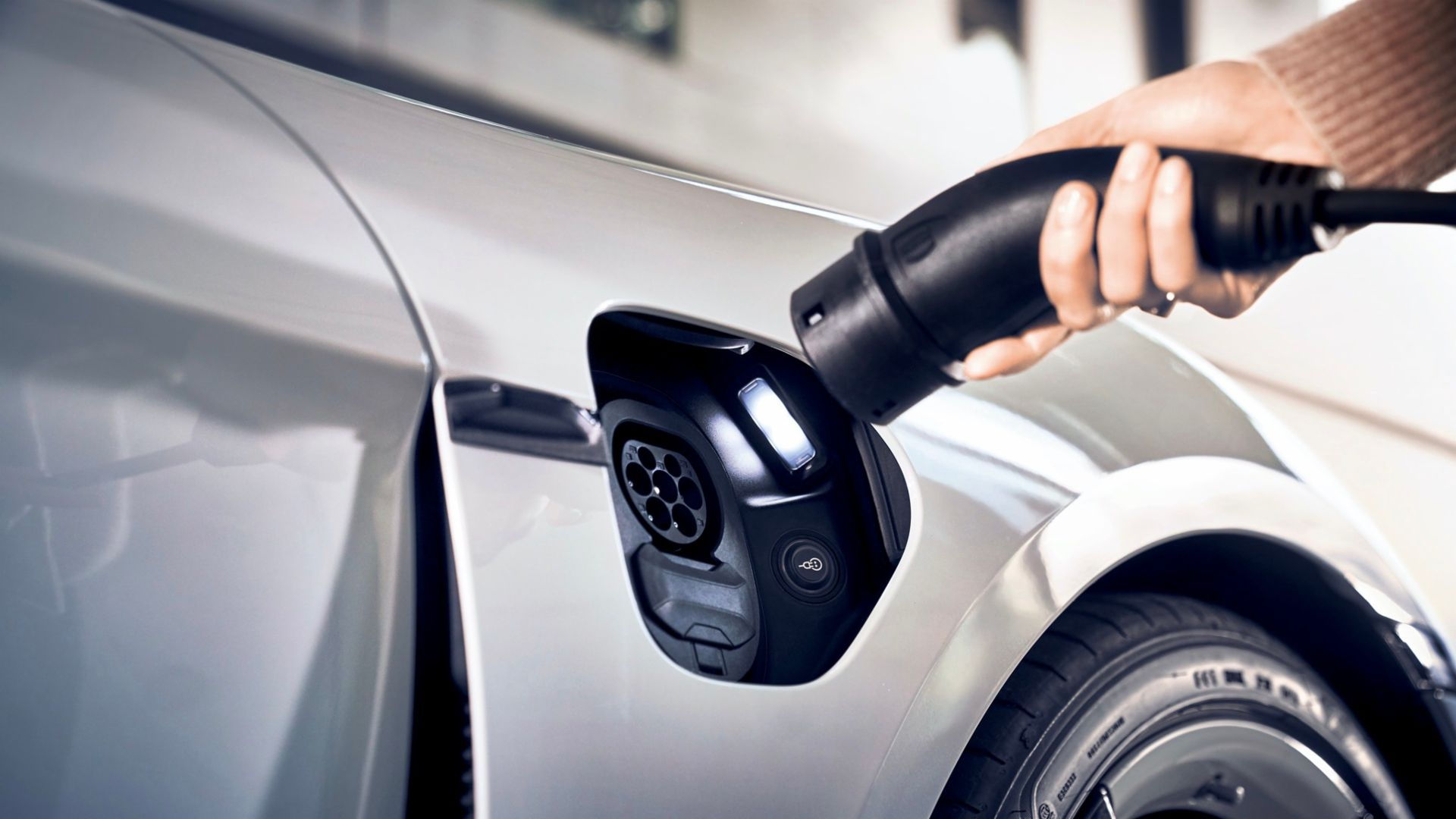
The eAssist system consists of a 0.6-kilowatt-hour lithium-ion battery pack and an electric belt-alternator-starter motor.
That motor not only acts as a conventional starter when the engine shuts off at stops, but can also feed added electric torque into the engine so the six-speed automatic transmission doesn't have to downshift--meaning the engine can run at lower and more efficient speeds.
Finally, the motor can run as a generator to recharge the battery pack under regenerative braking.
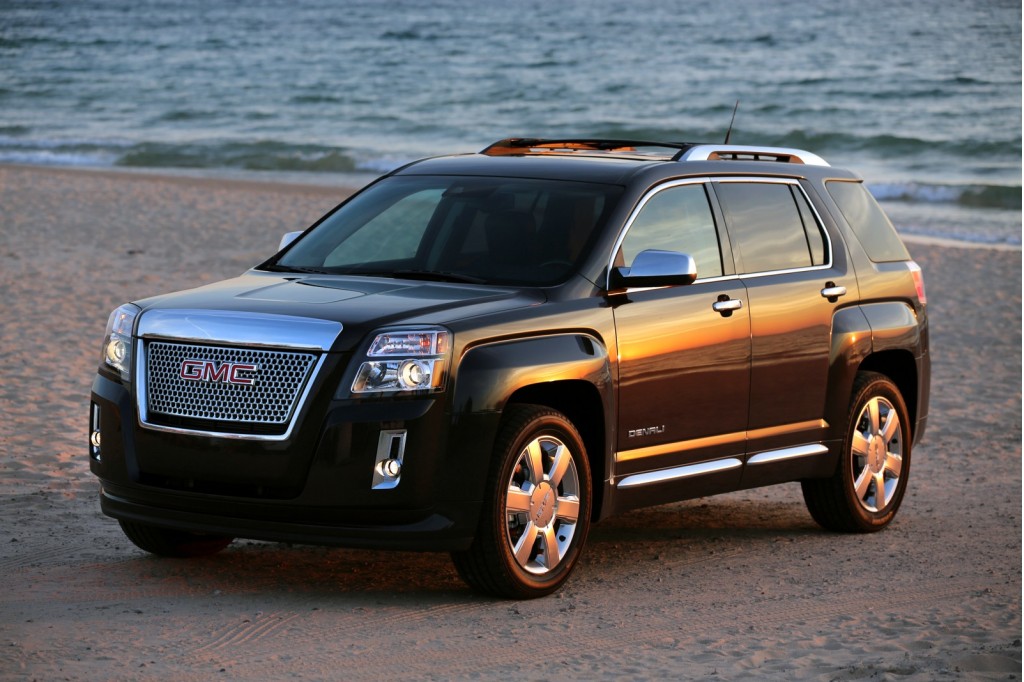
2013 GMC Terrain Denali
The mild-hybrid 2.4-liter engine is expected to be a new option for the two crossovers, adding to the current (non-hybrid) 2.4-liter and the more powerful 3.6-liter V-6.
The most fuel-efficient version of the Equinox this year is the front-wheel drive model with conventional 2.4-liter engine, which is rated at 26 mpg combined (22 mpg city, 32 mpg highway).
The mild-hybrid system is likely to boost each test-cycle number by a few miles per gallon.
The Equinox Eco ratings, however, won't be as high as those delivered by full hybrid vehicles, which can run on electricity alone at least part of the time at low speeds and under light loads.
The two 2014 crossover hybrids will compete with a future Toyota RAV4 Hybrid model, based on the all-new 2013 RAV4 crossover just launched by Toyota.
+++++++++++