As cars throughout the automotive spectrum get more efficient, it's an increasing dilemma for buyers looking to improve their gas mileage.
Just what should I buy? One of those fancy hybrids, or a regular, fuel-efficient car?
Different fuel efficient vehicles excel at different types of driving--and as we know, driving styles and conditions have quite an effect on gas mileage.
City driving
Driving in the city presents its own set of unique challenges, and driving conditions also vary from city to city.
Usually though, city driving means a few things: Slow traffic, plenty of time spent at a standstill with your engine wasting fuel, lots of punishment on your brakes, and plenty of stress.
Regular gasoline and diesel engines aren't perfect in city driving. Few feature stop-start systems to save fuel when caught in traffic, and every time you stop you're wasting energy--few regular cars have regenerative braking.
Hybrids are much more suited to this environment, though. Not only will all hybrids kill the engine when standing still, but full hybrids--like all Toyota and Ford hybrids, as well as some others--will allow you to travel on electricity alone at low speeds, while the battery lasts.
And the battery should last a decent distance in stop-start traffic, as each time you slow down, energy is put back into the pack.
Above all, driving a hybrid is relaxing in traffic--not just because virtually all hybrids are automatic, but because you'll be saving on gas bills--hybrids typically do their most economical work in city driving.

2012 Volkswagen Jetta GLI
Highway driving
While some hybrids are known for their aerodynamic bodies, helping them achieve good gas mileage at constant higher speeds, highways have recently become the domain of another gas-sipping category--diesels.
Punchy, low-revving and efficient engines in modern diesels do their best work for long periods at constant throttle loads.
A long journey also helps a diesel engine get to its most efficient operating temperature, which takes a little longer than it does on gasoline vehicles.
Once you're sitting on the freeway, a modern diesel--from Volkswagen or BMW, for example--will happily chug away at low engine speeds, sipping gas but offering enough torque in reserve should you need an extra burst of speed. Not only that, but low revs also means low noise--you're much more likely to hear wind and tire roar than you are any sounds from the engine. It's not a bad way to travel, and you'll be using very little fuel too.
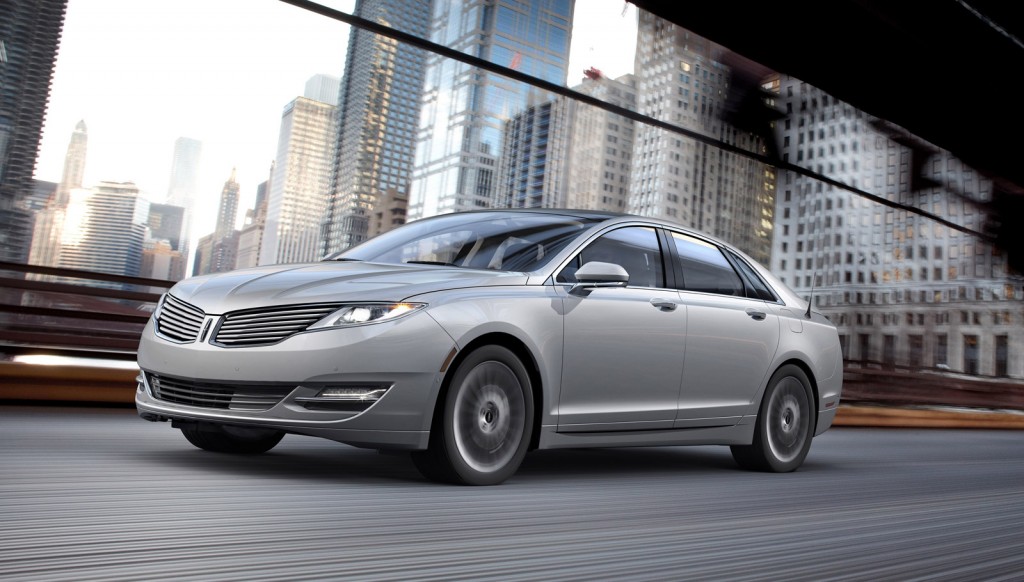
2013 Lincoln MKZ Hybrid
Mixed driving
If hybrids are city specialists and diesels rule on the highway, what should you use for a mix of both?
Essentially, most vehicles will tackle mixed drivng fairly well, and moderate speeds--between 30-50 mph--are actually better for economy than either city or highway driving--provided you're not speeding up and slowing down too often.
Some cars on sale today actually promise equal mileage in city, highway and combined driving--Honda's Civic Hybrid, Ford's Fusion and C-Max Hybrids and the Lincoln MkZ Hybrid, for example.
All should be well-suited for mixed driving--but other hybrids will also do well, and if you're not enjoying the performance, diesels and even fuel-efficient naturally-aspirated or turbocharged gasoline engines should return good figures too.
Buy based on your most likely driving routes, and you'll maximize your economy.
Sporty driving
Now here's a wildcard. Few, if any cars will return good economy numbers when driven harder, but if you like to drive a little quicker than the norm--and some do--then it's nice to know your car won't guzzle gas as it does so.
Many of our readers appreciate the Chevrolet Volt's performance. WIth its range-extended electric drivetrain, you can make best use of that low-down electric torque without using any gas at all.
When you do start using gas efficiency drops rapidly, but not as quickly as many hybrids will from the outset, where quicker driving often causes the gasoline engine to kick in for assistance.
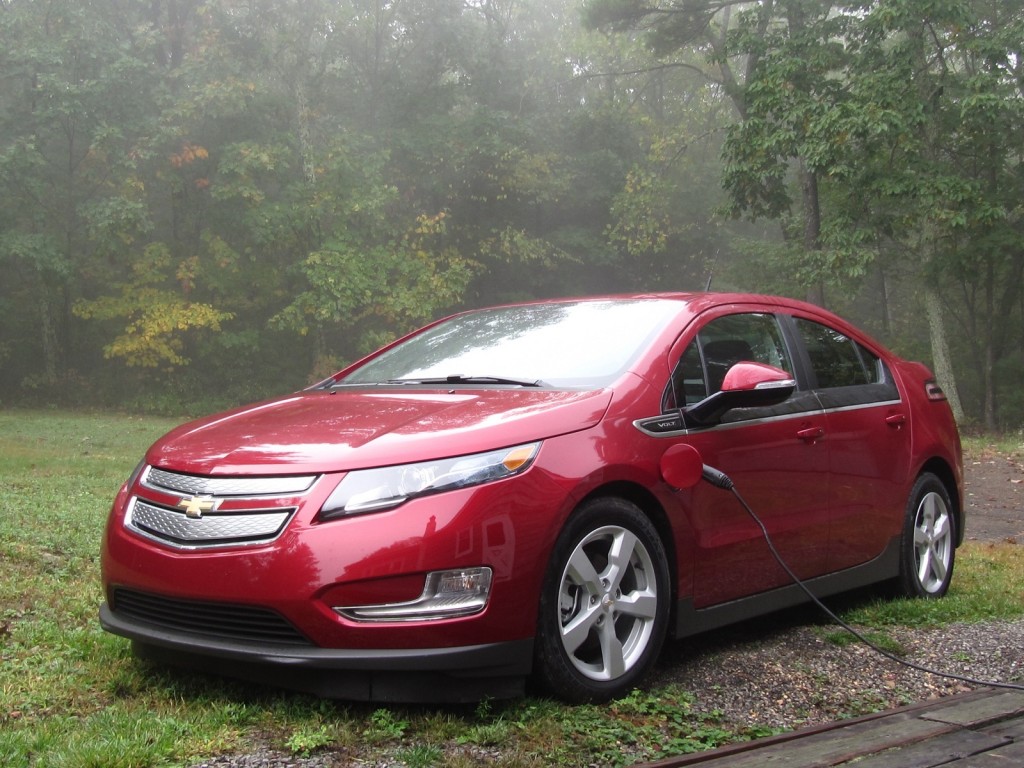
2013 Chevrolet Volt, Catskill Mountains, Oct 2012
Don't fancy a Volt? Well diesels are still worth recommending. Lots of torque goes a long way when you're driving quickly.
The new breed of turbocharged gasoline cars will also reward you. Many achieve 40 mpg in gentle highway driving, but offer pleasing punch when you reach a twisty road. And let's face it, gasoline engines are still more tuneful than their diesel counterparts.
Hybrids perhaps lag behind on this factor, though that depends on the car you buy--there's a lot of fun to be had driving cars like the Lexus GS 450h. And the sporty little Honda CR-Z hybrid even has a manual gearshift option, for driving purists.
Conclusion
So what should you buy?
It all depends on your driving. Hybrids are at their best in the city, as a rule--though some are efficient in all types of driving.
Diesels excel on the highway, while providing enough performance to drive hard without using too much fuel. And if you don't mind using a bit more gas in city driving, newer turbocharged gasoline vehicles can be good fun to drive and still do pretty decent highway mileage.
The best news is, there's now an efficient car for virtually every budget.
+++++++++++