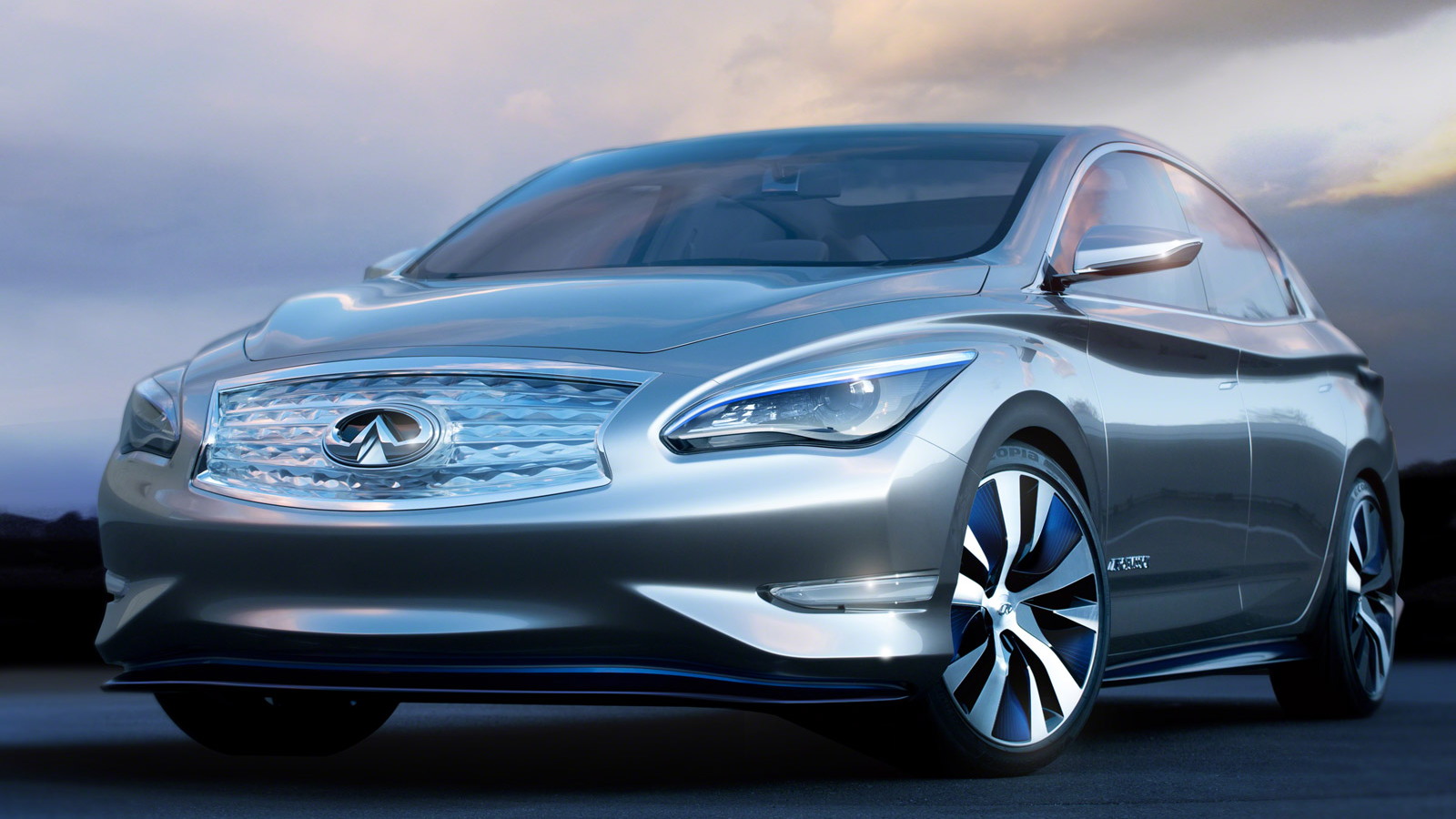
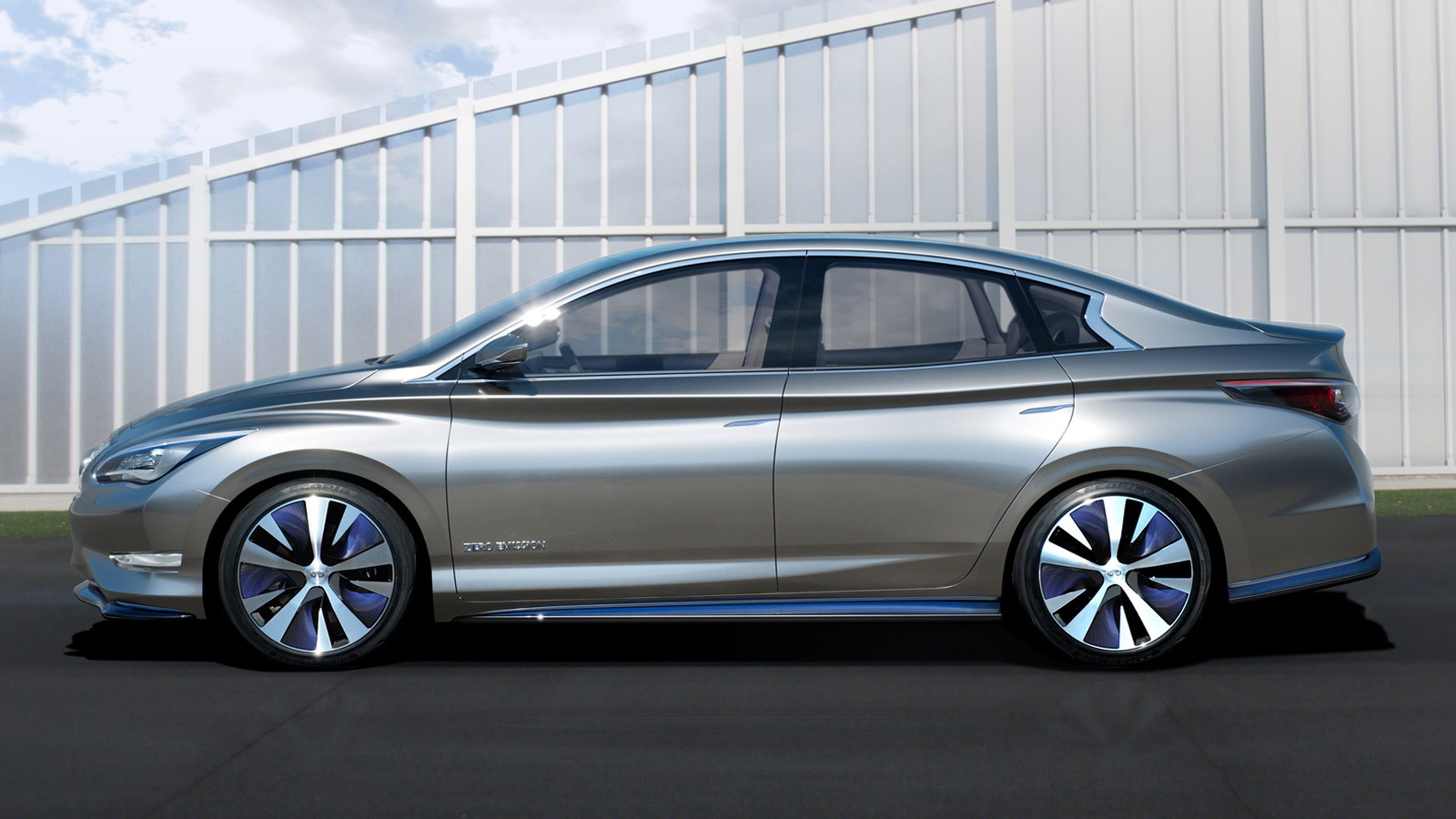
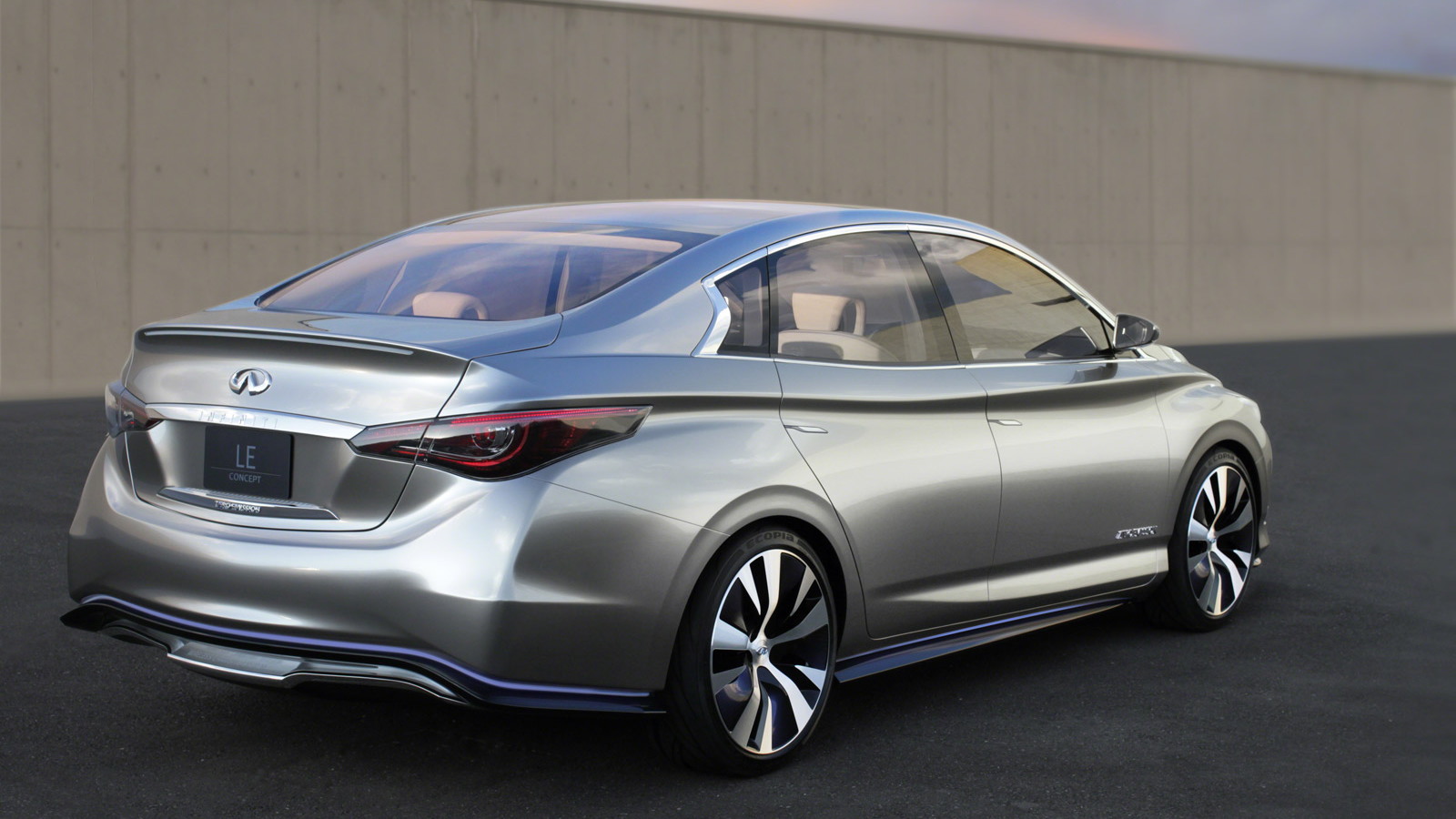
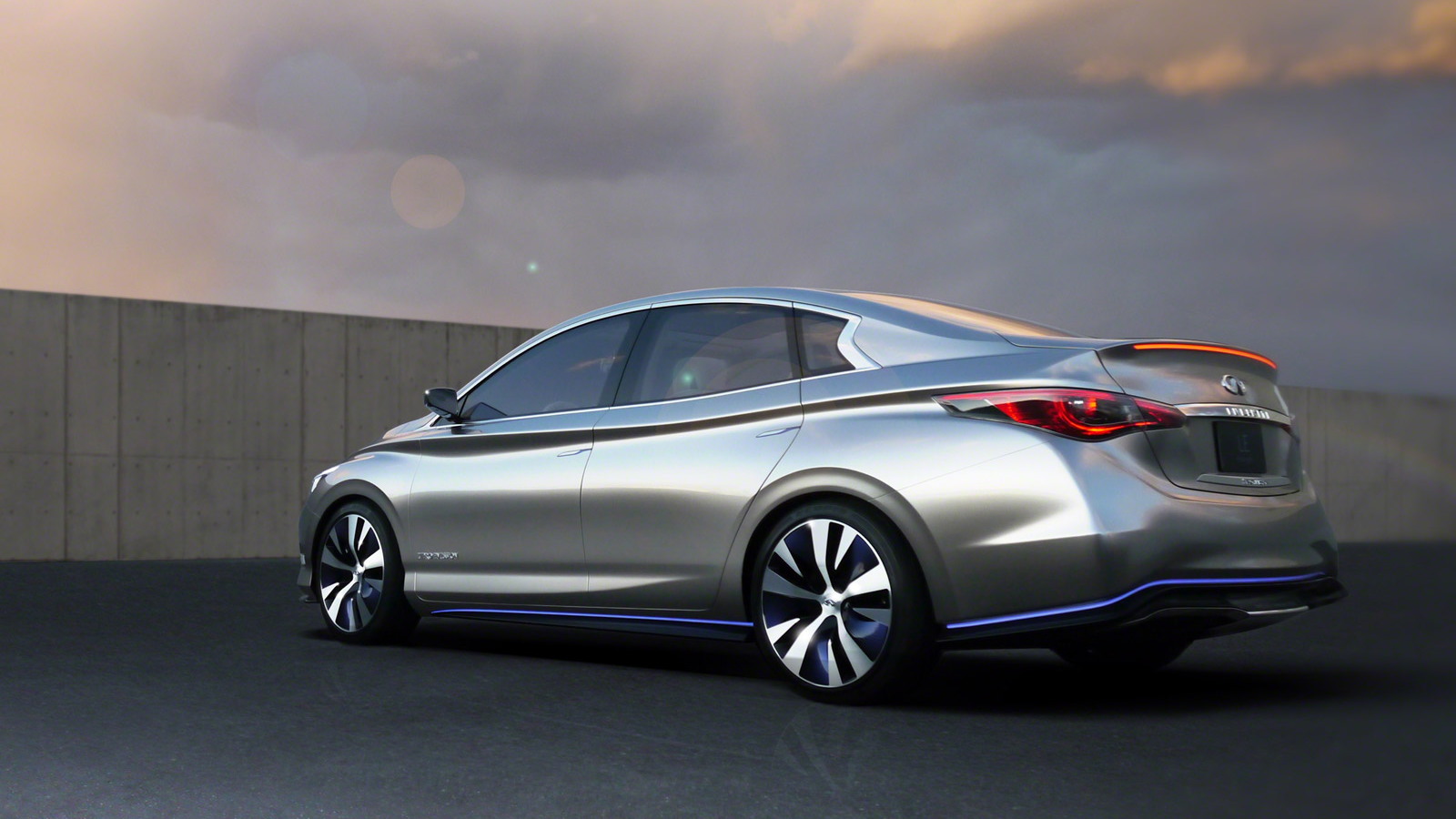
The four-door, all-electric sedan concept is really a thinly disguised production car that will reach Infiniti dealers within two years.
It gives Nissan's luxury brand its first all-electric vehicle and an entry in the "sustainable luxury" category--when and if that develops.
Leaf underneath
Built on the underpinnings of the Nissan Leaf five-door hatchback, the LE Concept has the same 24-kilowatt-hour lithium-ion battery.
Infiniti stressed the "immediate full-torque response" during acceleration offered by a more powerful electric motor--100 kilowatts (134 horsepower) against the Leaf's 80 kW.
Hitting new heights of hyperbole, the press release says the 240 lb-ft of torque "empowers you, without overpowering you – though the temptation is always there to leave drivers in the next lane behind."
The company gave no performance figures, but said the range would be 100 miles. That's the same figure it gave for the Leaf, rated by the EPA at 73 miles of electric range.
The 2014 Infiniti LE will be built in Nissan's assembly plant in Smyrna, Tennessee, where Leaf assembly will start this December. An adjacent lithium-ion cell fabrication plant will start production in September.
2012 Infiniti LE Concept
The car itself is larger than the Leaf, and at 186 inches long, it's roughly the same length as the Infiniti G sedan. It rides on low-rolling-resistance tires fitted to 19-inch alloy wheels with a wind-resistant design.
As the company boasts, "zero emission does not have to mean small." The LE Concept, it says, is "shaped to maximize its aerodynamic efficiency, yet it doesn’t scream ‘electric vehicle.’"
The smooth, flowing body with a distinctive shoulder line has a drag coefficient of 0.25, according to the company. That's the same figure Toyota quotes for its current Prius hybrid, one of the more aerodynamic volume cars sold today.
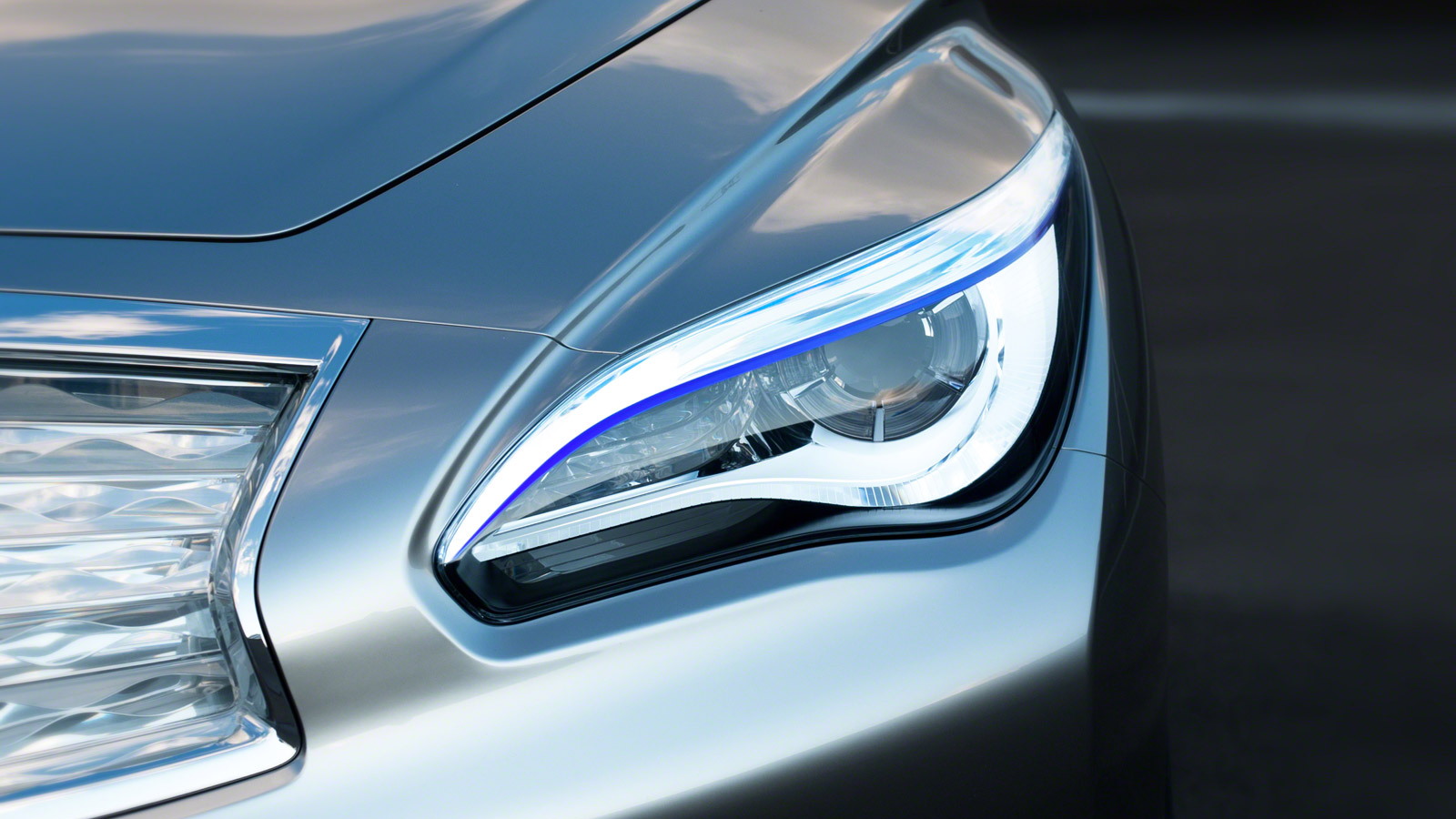
With the Infiniti double-arch grille and crescent-shaped roof pillar, the car incorporates traditional Infiniti styling cues--but it is a dedicated electric car, not a converted gasoline sedan. But as a concept, it has a number of features that may not make it all the way into production.
Those include an illuminated Infiniti emblem on the front "grille" (a touch originally used by now-defunct British marque Wolseley), an illuminated "fin spoiler" in the front apron, and blue LED lighting around the car's lower panels.
2012 Infiniti LE Concept
Inside, the double-wave design theme is lit by soft blue LEDs, and the center console has a ripple pattern with a sculpted palm-shaped drive controller knob for effect.
Instruments are a mix of digital and analog, with a range display that uses a mix of onboard and cloud-based data. The car also maintains a database of charging station locations, including real-time charger availability as that data becomes available.
Seating surfaces are made up of a suede-and-mesh fabric sporting violet accents, with sides of semi-aniline leather. It's likely the only concept car at the show with interior decor of blush violet above light white.
The design and pattern, Infiniti says, is inspired by eniashi, or the collar of a traditional kimono. The quiet electric drivetrain, Infiniti says, provides the "tranquil quietness of a living room,"
Other features include Intelligent Park Assist with 360-degree camera views.
2012 Infiniti LE Concept
The LE sedan may also pioneer wireless inductive charging, using a 50-kilowatt DC charging pad on the garage floor encasing a coil connected to the power source. The magnetic field it creates excites current in a second coil within the car.
"All you have to do is park your vehicle over the charging pad," said Infiniti Americas vice president Ben Poore, "with no need to connect cables." And, he noted, it's completely safe for children or pets and can easily be installed in private garages.
It would be the first home-based inductive charging system offered by a major carmaker. While Infiniti is showing this system on the LE concept car, it hasn't committed to offering it in production.
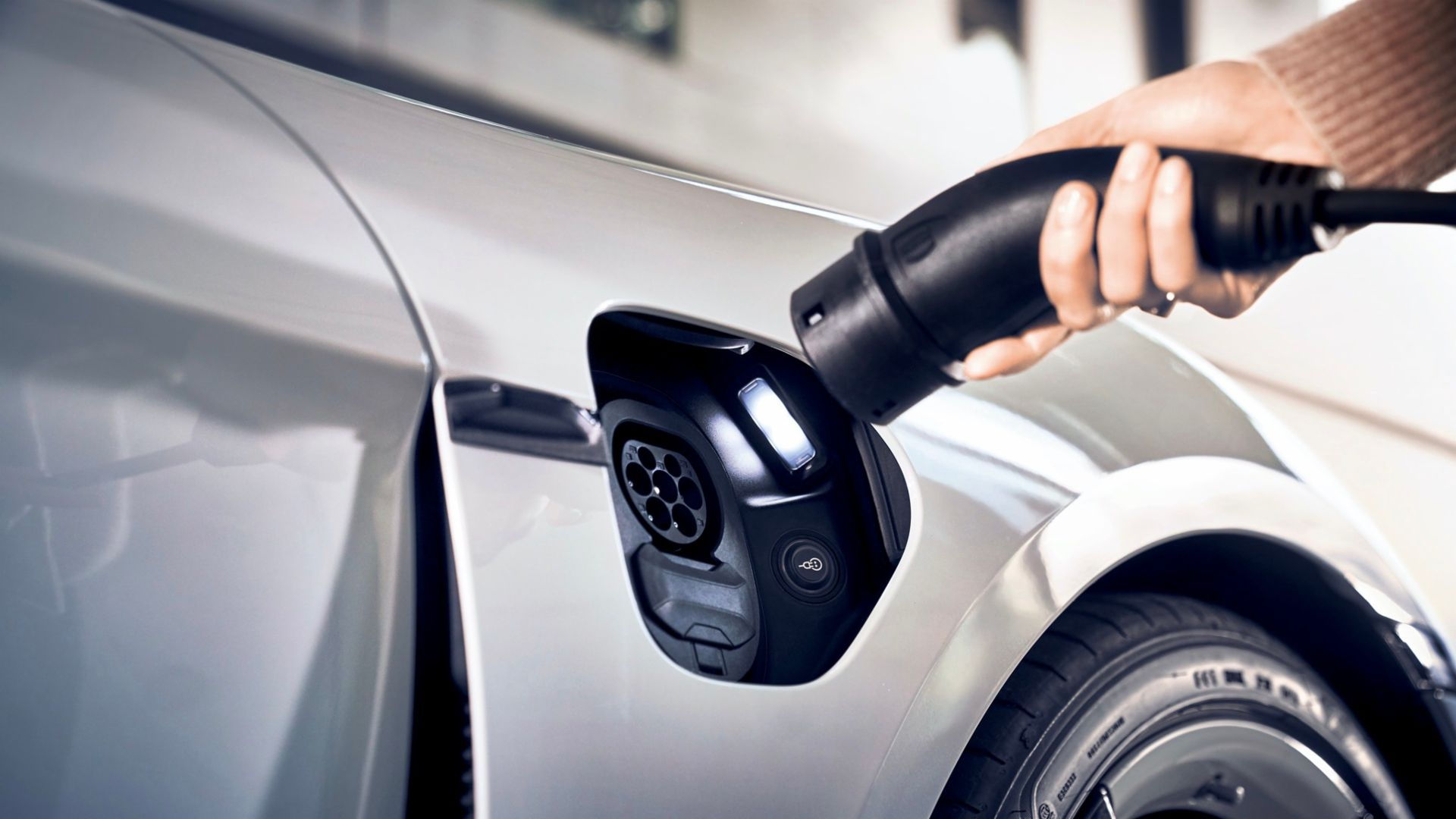
The LE also has a standard J-1772 charging port, and an optional DC Fast Charging port using the same 50-kW CHAdeMO plug as the Leaf does.
+++++++++++