Hybrid automobiles can be a tough sell to the general public, partially because of the perception that they cost significantly more than their gasoline-only counterparts.
That’s not as true today as in years past, but there’s no denying that hybridization adds cost to the manufacturing process.
To circumvent this, GM is doing what it can to downplay the hybrid aspect of its eAssist system, which uses a combination motor-generator to provide supplemental power to the engine and improve fuel economy.
The lithium-ion batteries that power the motor are recharged via the generator and via regenerative braking, so eAssist can be accurately described as a “mild hybrid” system. It includes a start-stop function that shuts off the engine when the car is stopped, restarting it as the brake pedal is released.
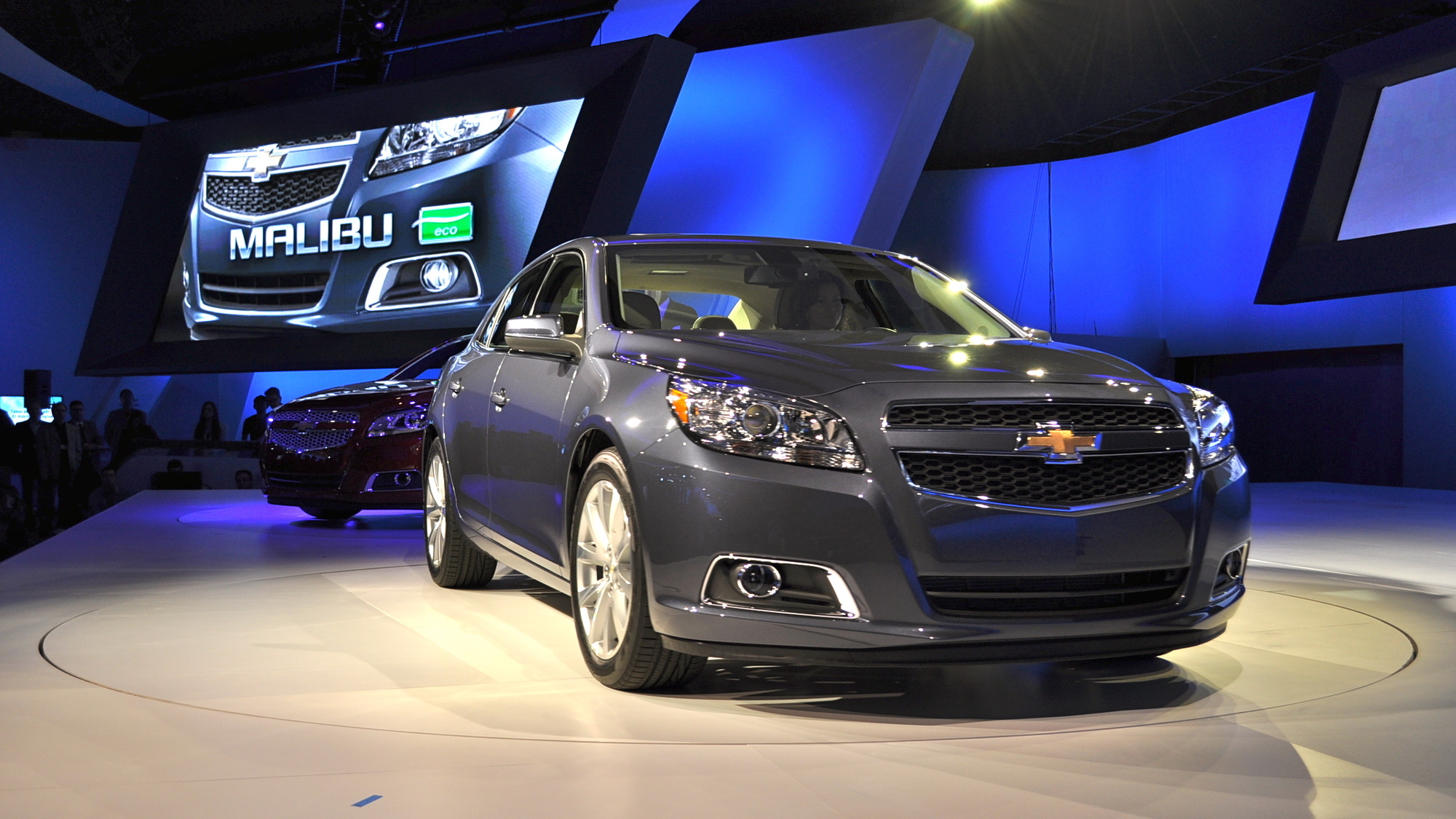
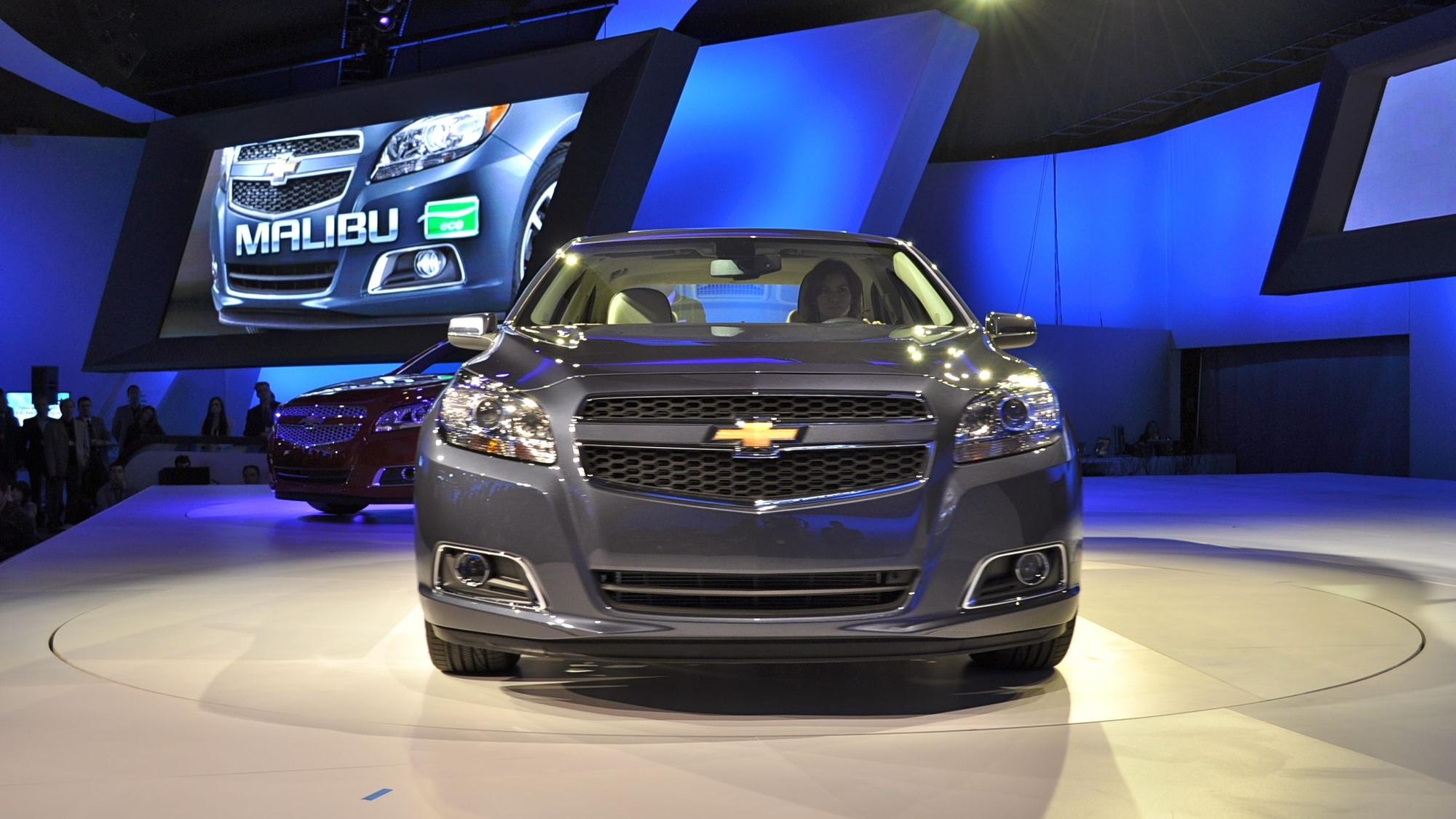
That’s not what GM is calling the 2013 Chevy Malibu Eco, and it even appears to be downplaying the eAssist aspect of the car. That label is being used over at Buick, where the eAssist system is standard on the four-cylinder 2012 Buick Lacrosse and optional on the 2012 Regal.
Nonetheless, it delivers a respectable 26 mpg city fuel economy and 38 mpg highway fuel economy, for a likely combined rating around 30 mpg, which comes close to rivaling the highway fuel economy of a few full hybrid sedans.
That 2013 Malibu Eco's ratings remain far lower than the 2012 Ford Fusion Hybrid, however, which is rated at 41 mpg city, 36 mpg highway, for a combined 39 mpg, and starts at $28,700--about 10 percent more.

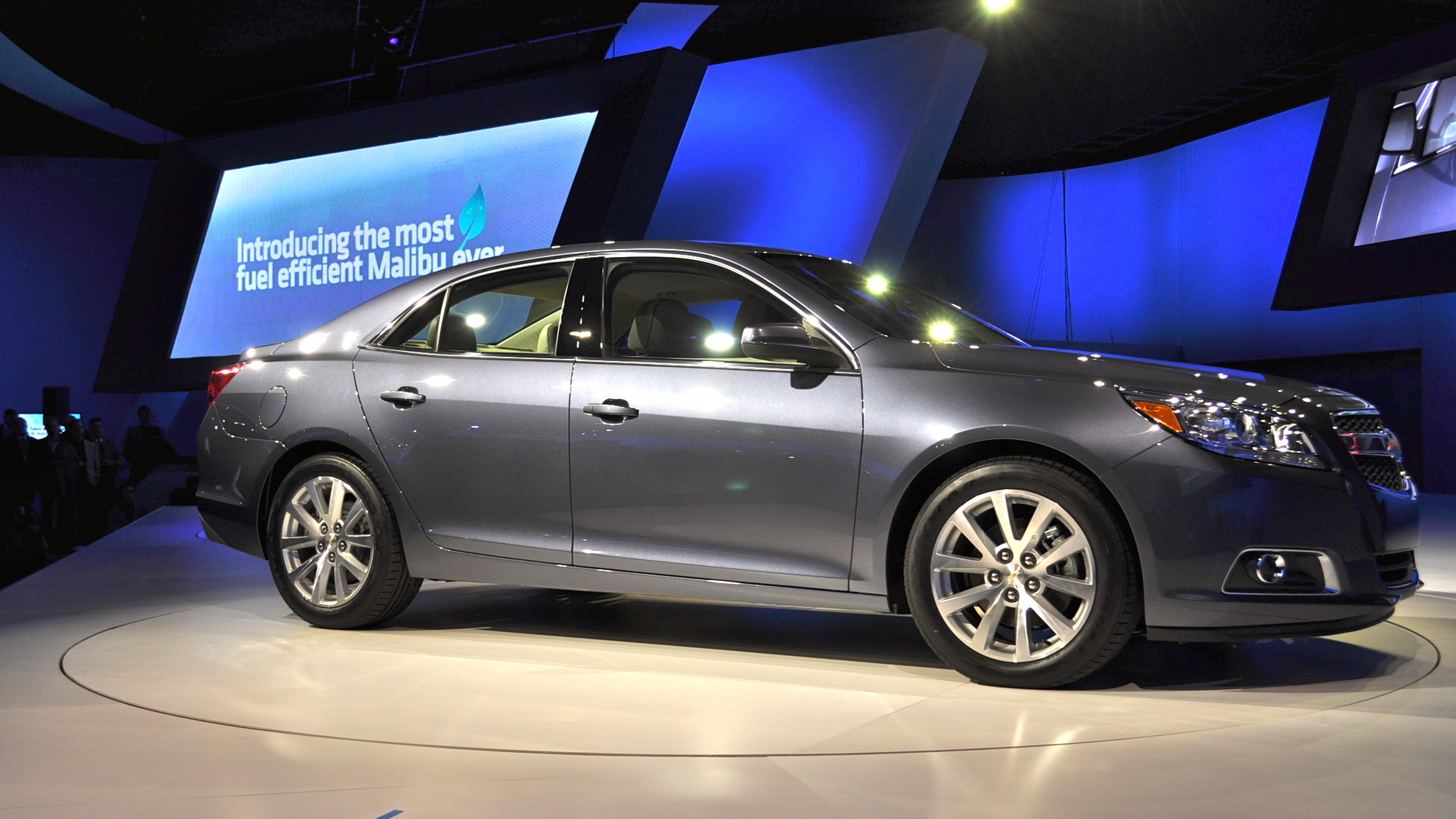
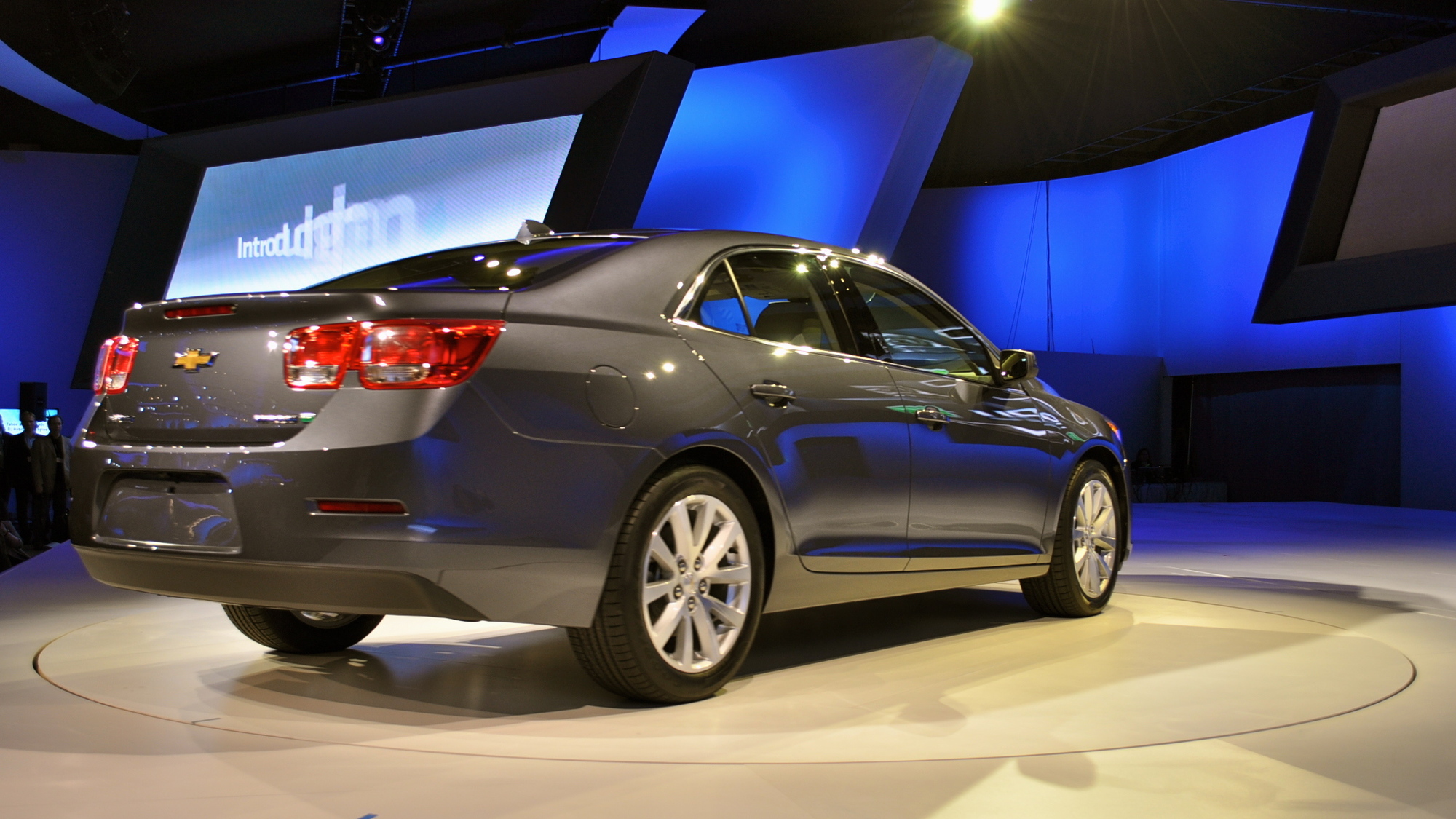
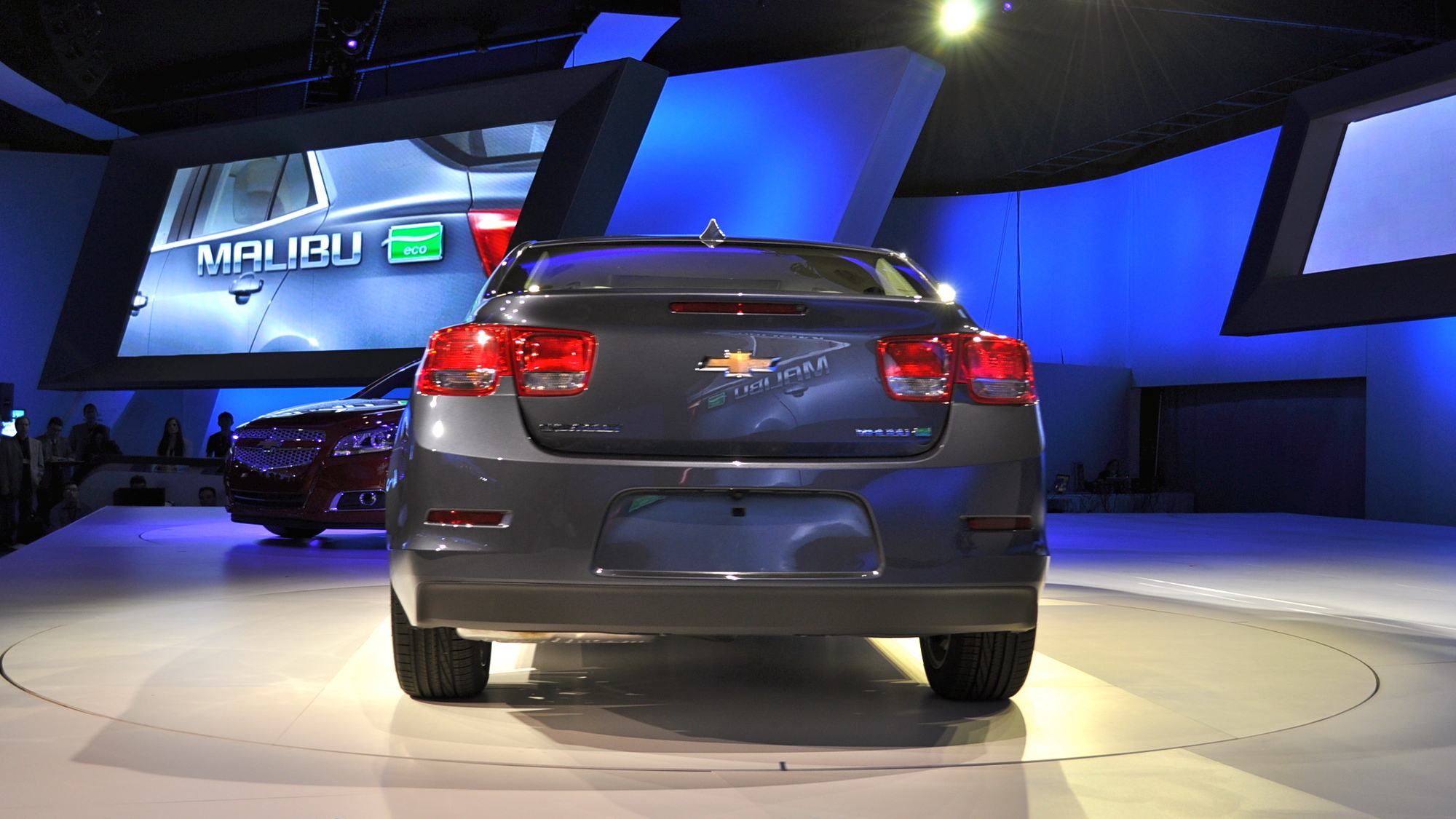
2013 Chevrolet Malibu ECO
The Malibu Eco uses more than eAssist and a 2.4-liter Ecotec direct-injection engine, mated to a six-speed automatic transmission, to achieve its fuel economy numbers.
It also gets reduced weight components such as an aluminum hood, rear bumper beam and low-mass carpeting, and even uses active aerodynamics (specifically, grille shutters) to improve airflow and reduce drag at highway speeds.
The price is relatively appealing, too, starting at $25,995 including a $760 destination charge. That’s sans options, so realize that amenities such as remote start, a premium audio system, leather seats and a navigation system will quickly drive the price up to the level of many full hybrid family sedans.
While the 2013 Malibu Eco may not deliver the fuel economy of a full hybrid or diesel sedan, it does provide an attractive alternative for those on the fence about buying any kind of hybrid. Look for the car to hit Chevy dealers by March of 2012.
+++++++++++