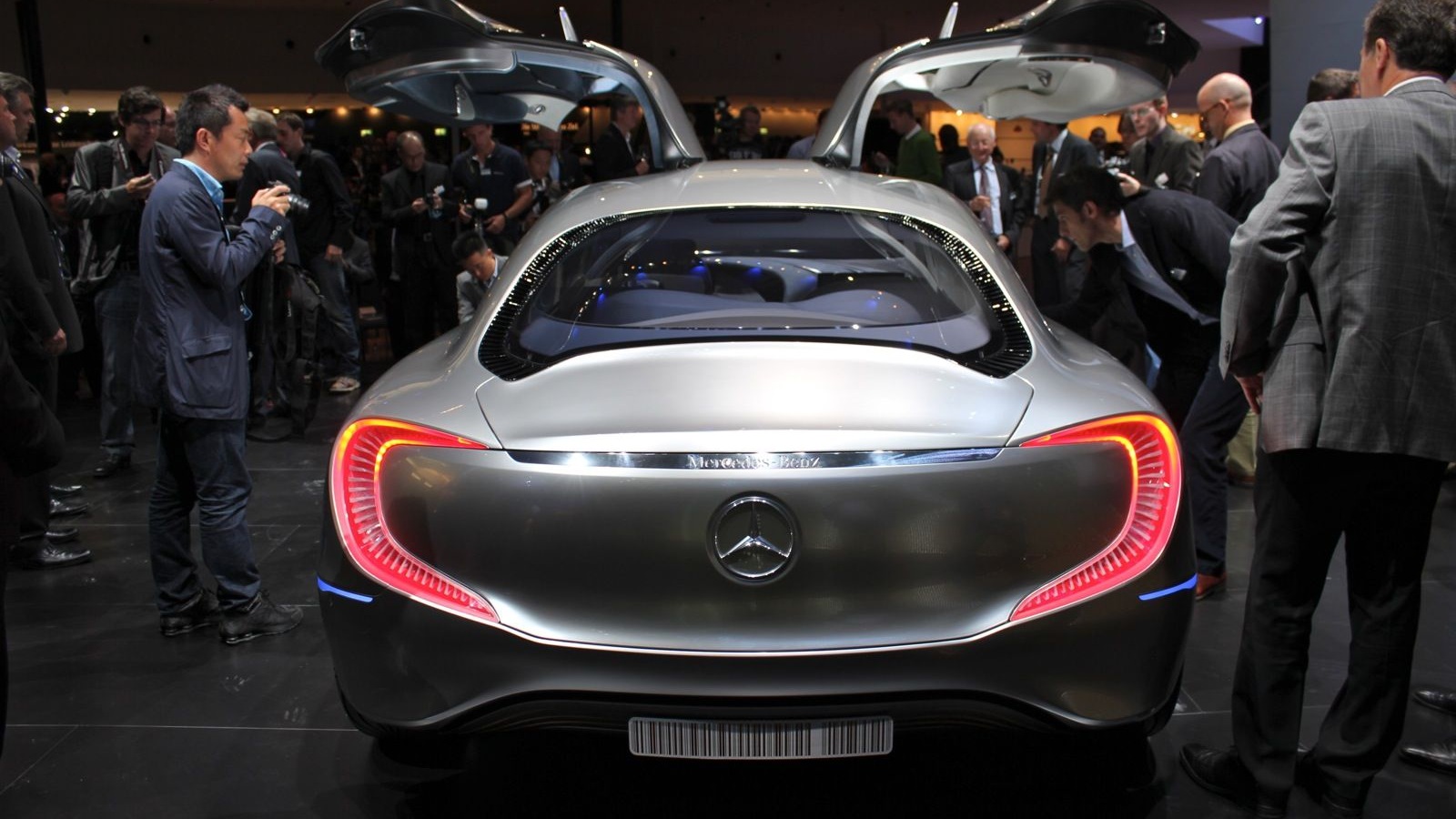
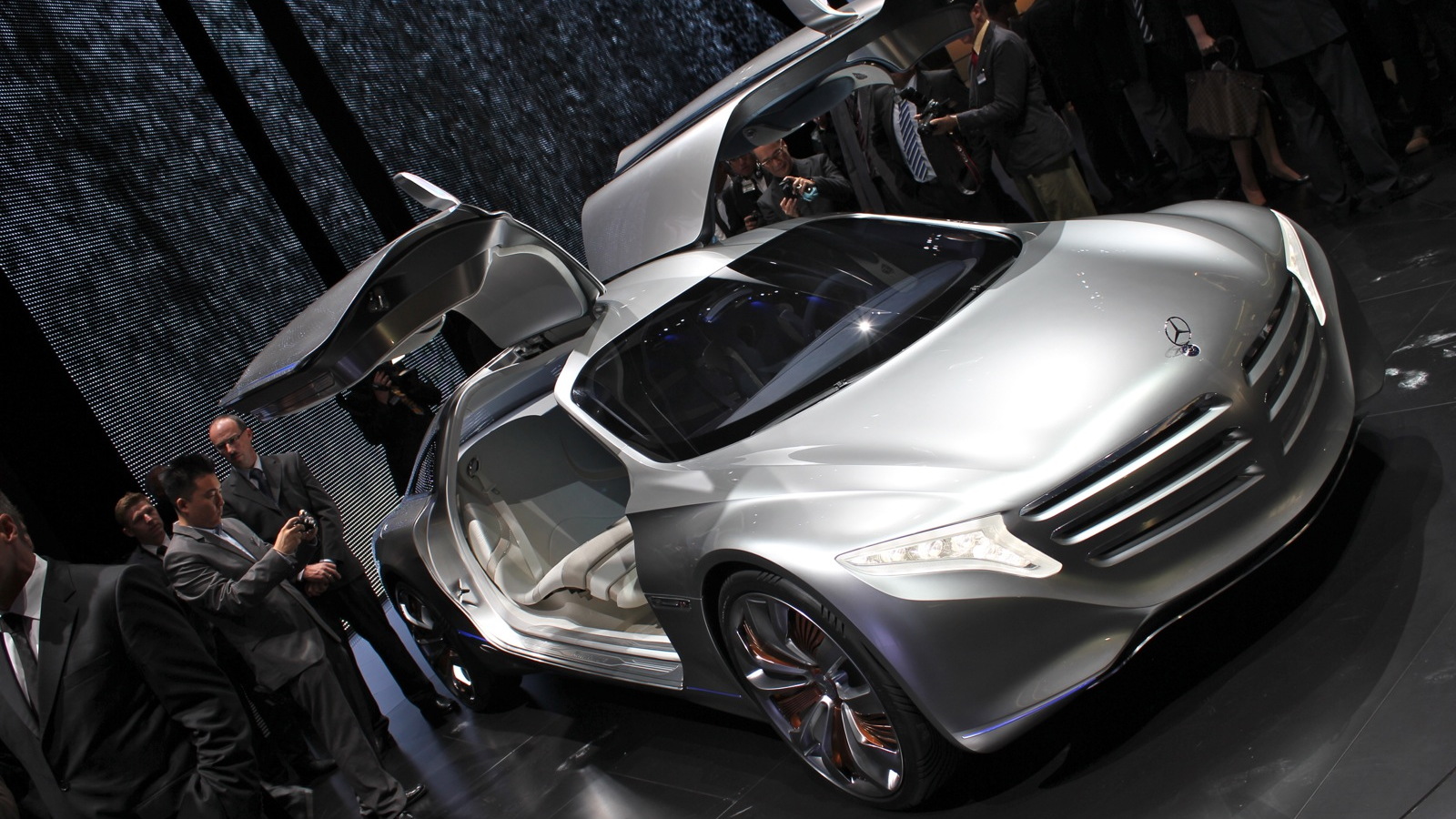
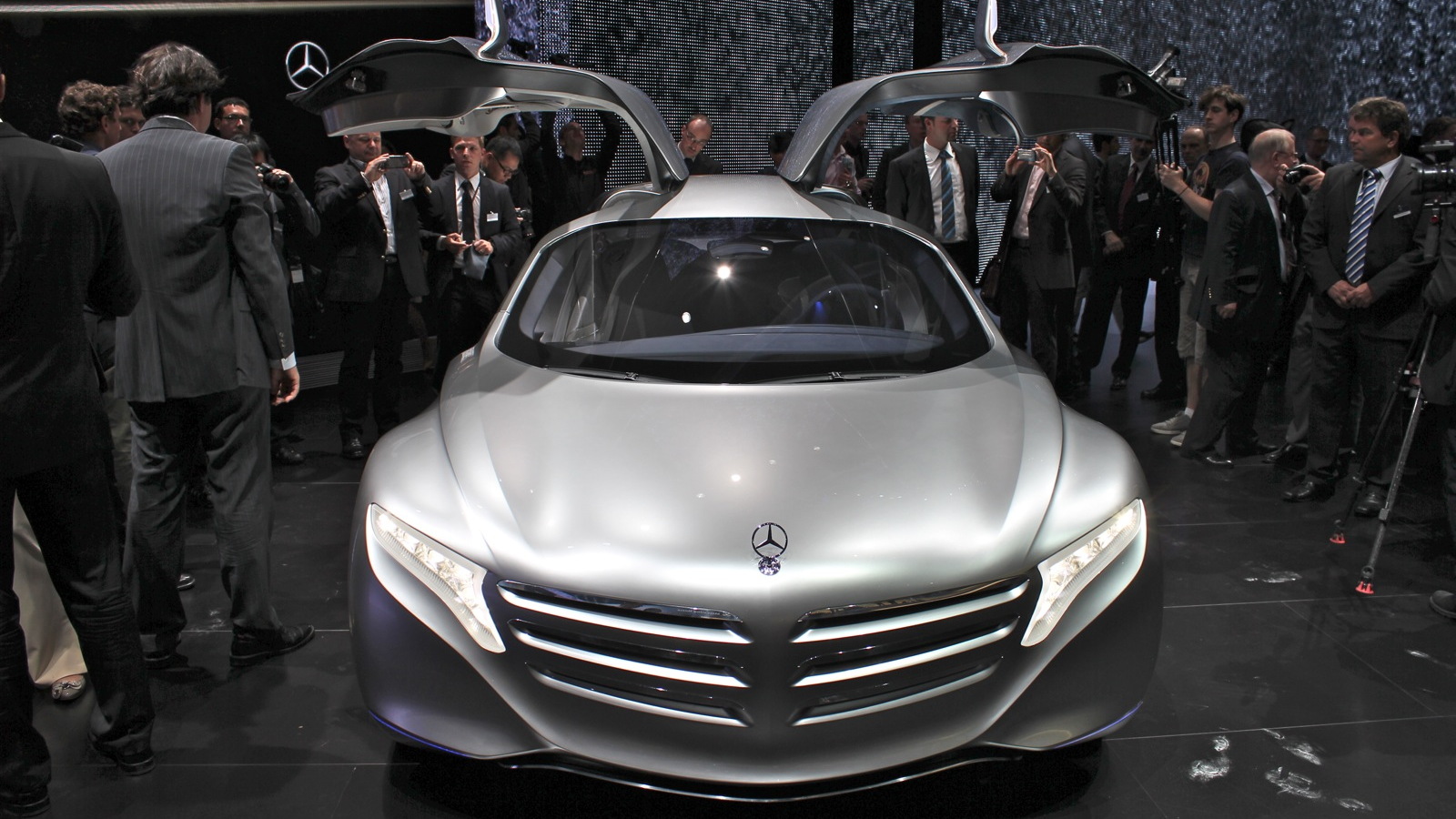
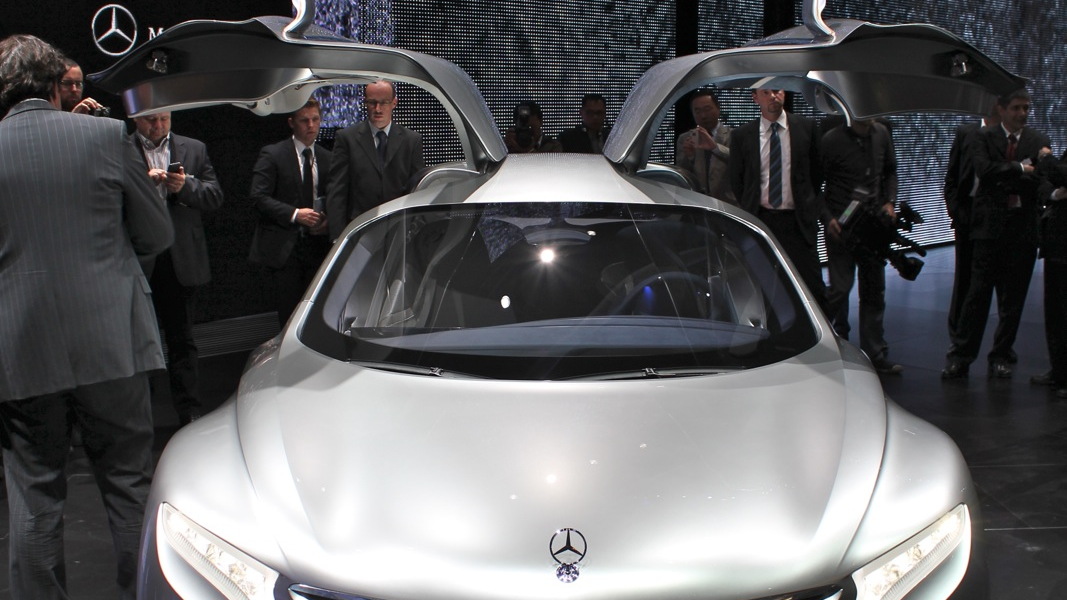
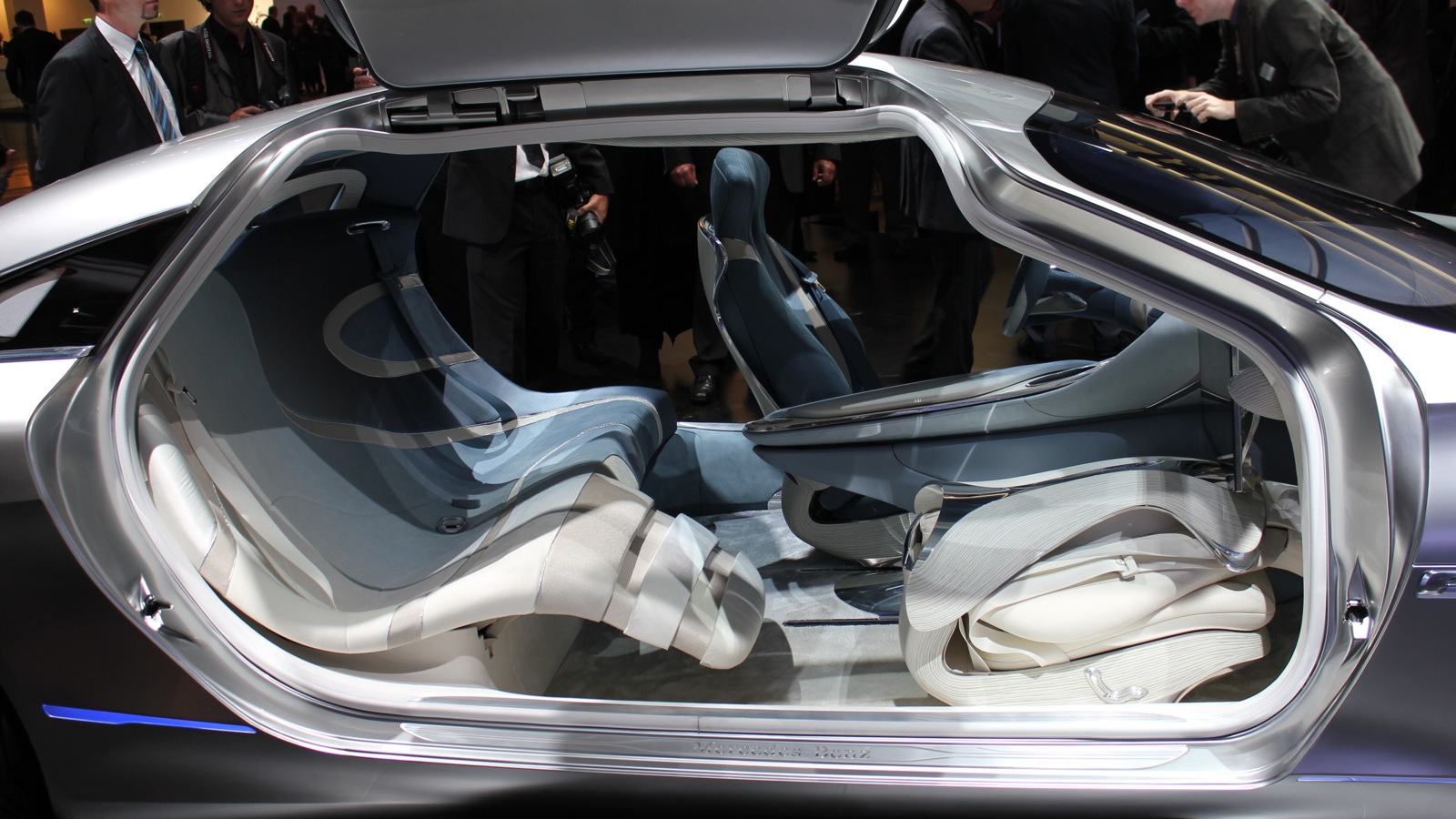
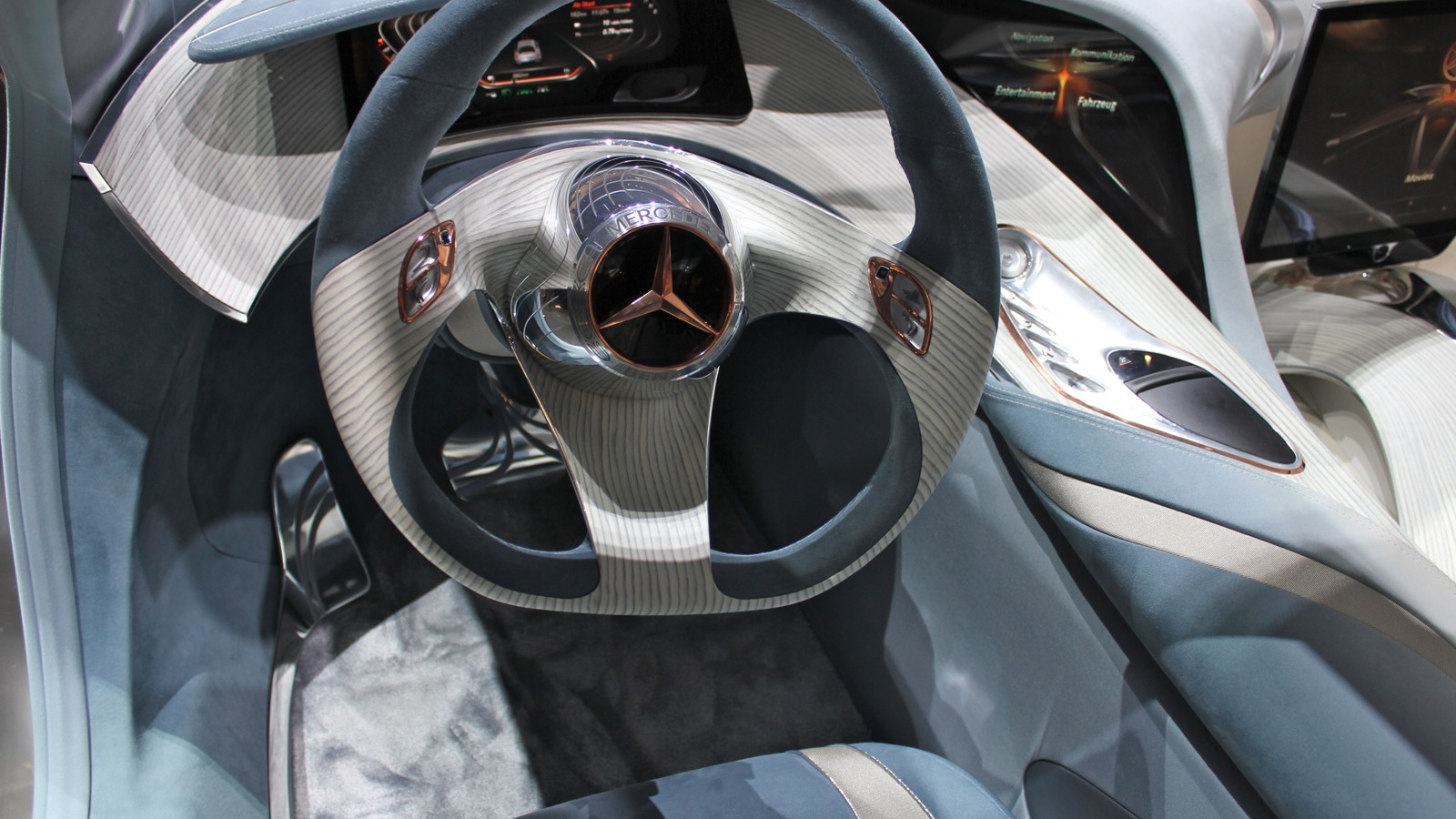
Some carmakers, including Mercedes-Benz and Honda, have been pursuing hydrogen as an alternative to gasoline and diesel for several years now, and at the recent 2011 Frankfurt Auto Show Mercedes created a stir with its F125! fuel cell plug-in hybrid concept, its vision of a future S-Class.
But is hydrogen really ready yet? Ward's Auto is reporting its return, but we can't help feeling that's a little presumptuous. As often as hydrogen fuel cells are mentioned as our future fuel, their negatives are ignored.
Fuel cells of the future
A vision of the year 2025, the F125! concept pairs a plug-in electric system and hydrogen fuel cell to match silent running with high performance - 0-60 mph in under 5 seconds and a top speed of 137 mph. Range was touted at 621 miles.
A representative for Mercedes at the Geneva Motor Show back in March told us of the maker's interest in hydrogen too - that it was attractive for medium-size vehicles, with smaller cars like the Smart and A-Class heading towards an electric future and larger ones taking the plug-in hybrid route.
This makes sense - electric vehicles are undoubtedly suited to short journies where charging can be handled at home.
Pros
Hydrogen has its own benefits - as a liquid fuel, it can be delivered as quickly as regular gasoline at a pump, and while propulsion is entirely electric, range can be much greater from the hydrogen's energy density.
Hydrogen advocates are also reducing some of the system's negatives - size was a previous issue, but modern units are compact enough to fit into a compact car. Safety in an accident has also been improved. GM's work with fuel cells has reduced the amount of expensive platinum needed, reducing the cost by $5,000 per vehicle.
It also shares all the usual benefits of electric vehicles - silent running, mechanical smoothness and surprising performance, all courtesy of an electric motor.

2011 Mercedes-Benz F125! Concept
Cons
However, infrastructure is still lacking. While you could level the same argument at full electric vehicles, it's also a whole lot easier to install an electric charging point than a hydrogen pump. GM struggled for two years at a cost of $2 million to get a single filling station at White Plains, NY. The cost for 15,000 stations needed for national coverage doesn't bear thinking about.
It's the same for home use, too. Consider the cost of recharging via a normal wall outlet, or even a fast-charging unit for a few thousand dollars, and it still seems low compared to having your own hydrogen generating station.
That brings us onto the other issue, which is the energy required to extract hydrogen in any meaningful quantity.
It can be extracted from the fuel production process, but as a byproduct of fossil-fuel production that's hardly very green - and as for electrolysis from water, you're making a large net energy loss. In either scenario, you put more energy into a fuel cell than you'd gain from it.
It seems then, despite the occasional spike of hype, that for the forseeable future we'll still be using just two things to power our cars - gasoline, and electricity, or a mix of the two. Longer range vehicles will still be better served by plug-in hybrid electric cars or range-extended electric cars, like the Chevrolet Volt.
We'd love to see clean hydrogen luxury sedans like the Mercedes-Benz F125! concept scudding quietly about our roads, but hydrogen still seems no closer to being a viable fuel than it ever has.
+++++++++++