To increase gas mileage, carmakers can use smaller engines that produce the same power from less fuel.
But they can also work to recapture part of the 70 percent of fuel's energy content that internal combustion engines waste in producing heat, noise, and momentum that has to be halted via braking.
Hybrid-electric systems that use regenerative braking and excess engine power to charge a high-voltage battery pack--think Toyota Prius--are one way to recapture wasted energy.
New focus on heat energy
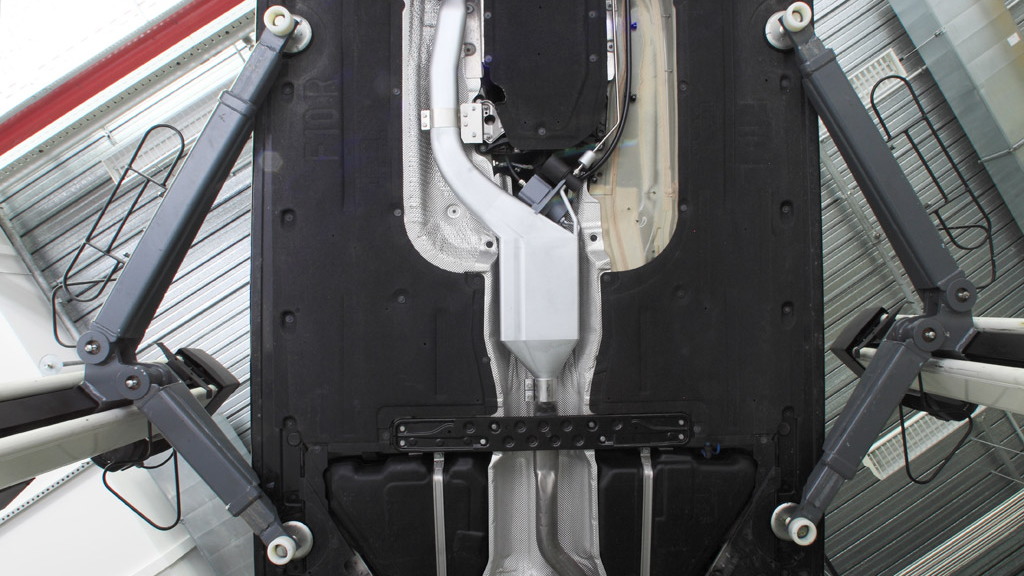
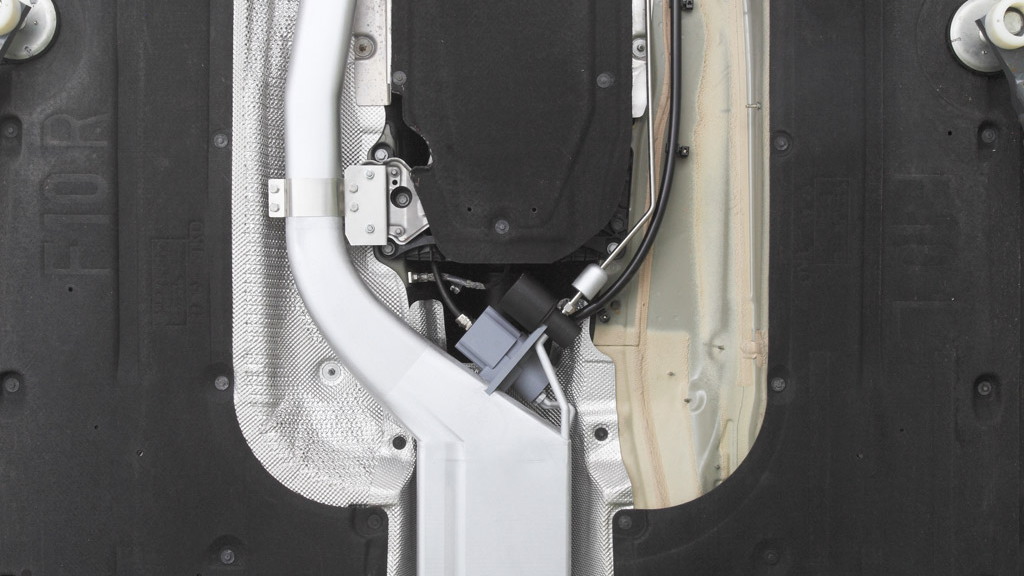
But another method that's gaining attention is to recover lost heat energy, as in the Turbosteamer and Thermoelectric Generator systems BMW has researched for much of the last decade as part of its EfficientDynamics initiative to maintain performance while using far less fuel.
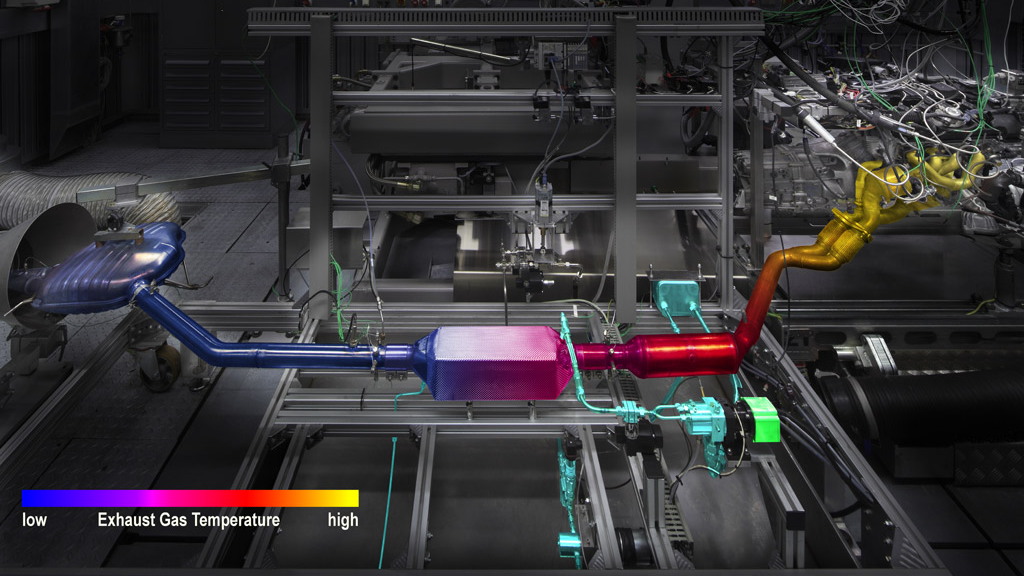
Each uses waste heat--from the radiator or engine exhaust--to produce electricity that can power auxiliary functions like air conditioning and electric power steering.
Power from steam, and Seebeck Effect
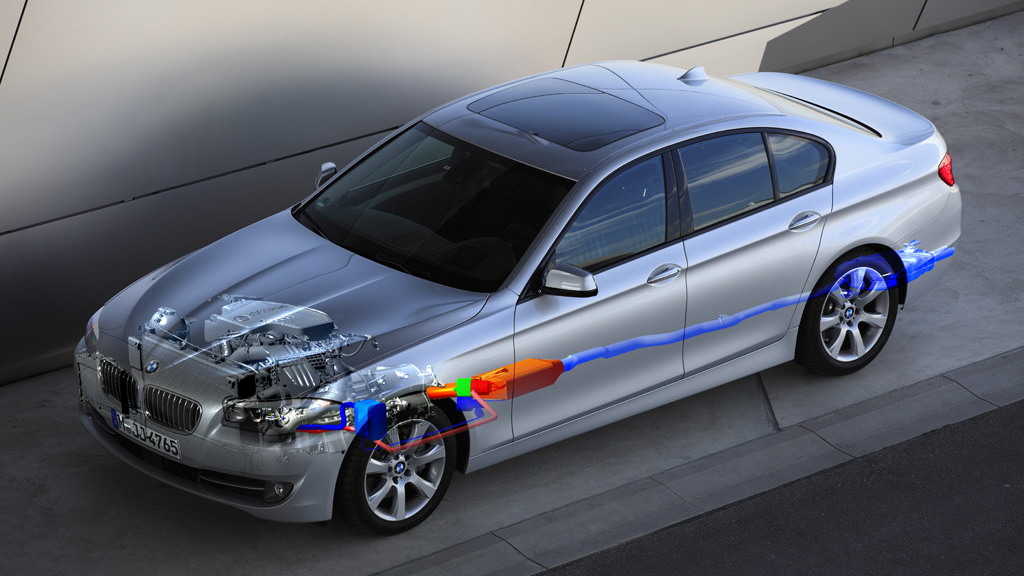
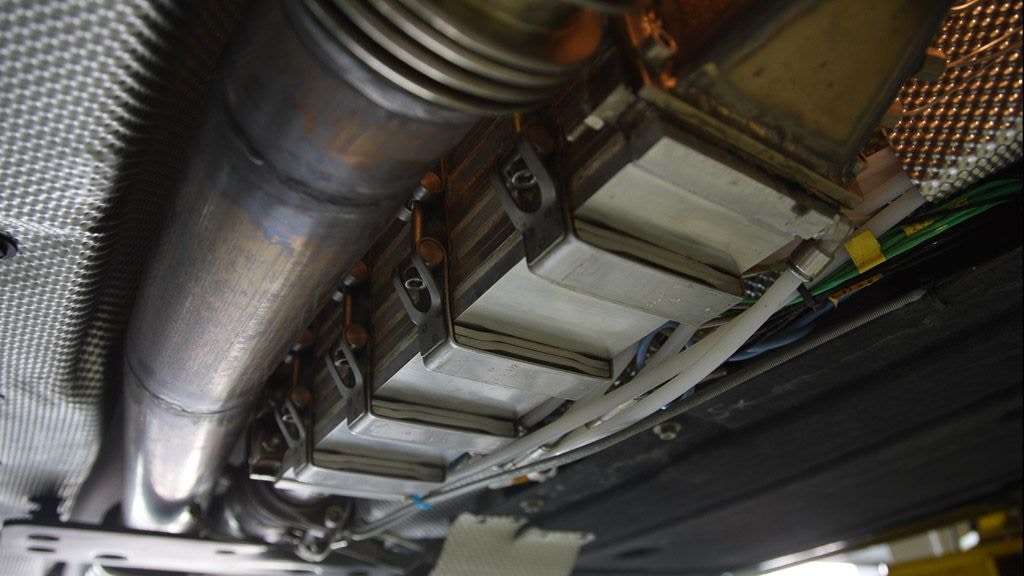
The BMW Turbosteamer boils a fluid, stored at high pressure in coils that wrap around parts of a car's exhaust system. As it boils, the fluid turns into steam that powers a turbine that turns an electric generator.
The Thermoelectric Generator, on the other hand, generates an electric voltage in a special material via the Seebeck Effect, in which potential is created between two different thermoelectric semiconductors if their temperature differs.
That technology was originally developed to power space vehicles by the U.S. National Aeronautics & Space Administration, better known as NASA.
With recent refinements to produce more power, the Thermoelectric Generator produces up to 600 watts in the latest BMW application, where it's installed in the radiator of a car's exhaust-gas recirculation system. To be practical in a production car, BMW says, it will have to generate at least 1,000 watts (or 1 kilowatt).
10 percent efficiency improvement
BMW has configured the two systems into a single module that can be fitted into a production vehicle. Initial tests using a four-cylinder engine indicate that fuel consumption can be reduced by up to 10 percent on long-distance, high-speed trips.
The German company will display the Turbosteamer in a BMW 5-Series sedan at the upcoming Frankfurt Motor Show; the Thermoelectric Generator is presently being tested in a BMW X6, its unusual all-wheel-drive "sports activity vehicle."
Just one of many
Such systems are one of the many technologies--along with downsized and 'downspeeded' engines, mild and full hybrid-electric systems, simpler start-stop systems, aerodynamic improvements including active grille shutters, and even low-rolling resistance tires--to provide today's performance while burning vastly less fuel.
Overall, the goal is to improve every vehicle's gas mileage by 25 percent or more.
Some of BMW's work on the Turbosteamer and Thermoelectric Generator was done together with Amerigon, a Michigan technology firm, and partially funded by the U.S. Department of Energy.
[BMW via MotorAuthority]
+++++++++++