Americans rarely think much about zoning, but it governs almost every facet of how we live our lives.
And unintended consequences of 50-year-old zoning codes may be about to turn some of our loveliest and quietest suburbs into the next slums.
Why? Simply because they've been built too far away from everything else, and we won't be able to afford the gasoline it takes to go to and fro.
Suburbs: slums of the future?
At least, that's the provocative conclusion of Peter Newman, one of the authors of a study released by the Planning Institute of Australia late last year.
The study looks at the future of suburban Australia, which has evolved in patterns very much like suburban America: sprawling, low-density, auto-dependent residential enclaves miles away from commercial areas and office parks.
"Urban sprawl is finished," Newman told The Age. "If we continue to roll out new land releases and suburbs that are car-dependent, they will become the slums of the future.''
Homes vs stores vs offices & factories
Following World War II, with the rise of affordable automobiles, cheap fuel, and an increasingly affluent society, the brand-new suburban house on its own half- or full-acre plot was the American dream.
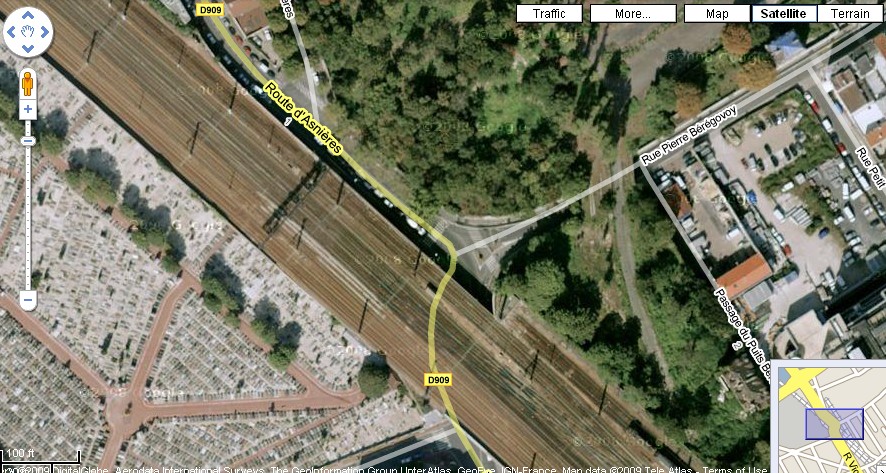
The controversial D909 in the suburbs of Paris
Zoning codes adopted in the U.S. isolated residences from any commercial and industrial activities, often in curving cul-de-sacs sans sidewalks. Many developments could be entered only from a single point off high-speed arterial roads.
No longer could you send the kid to the corner store on his bike to pick up a gallon of milk.
That corner store became a big-box chain store up to 10 miles away, and public transportation was ignored as a relic of decaying central cities.
Will cheap gasoline end?
That worked fine as long as gasoline remained cheap. With the greater difficulty of extracting and refining hydrocarbon-based fuels, not to mention unrest in oil-producing countries, we may be entering a future of permanently pricier gasoline.
For those trapped in "affordable" suburban homes 50 miles or more from their jobs, the theory goes, there will be few options other than more fuel-efficient vehicles. The value of the homes will decline and the neighborhoods will decay.
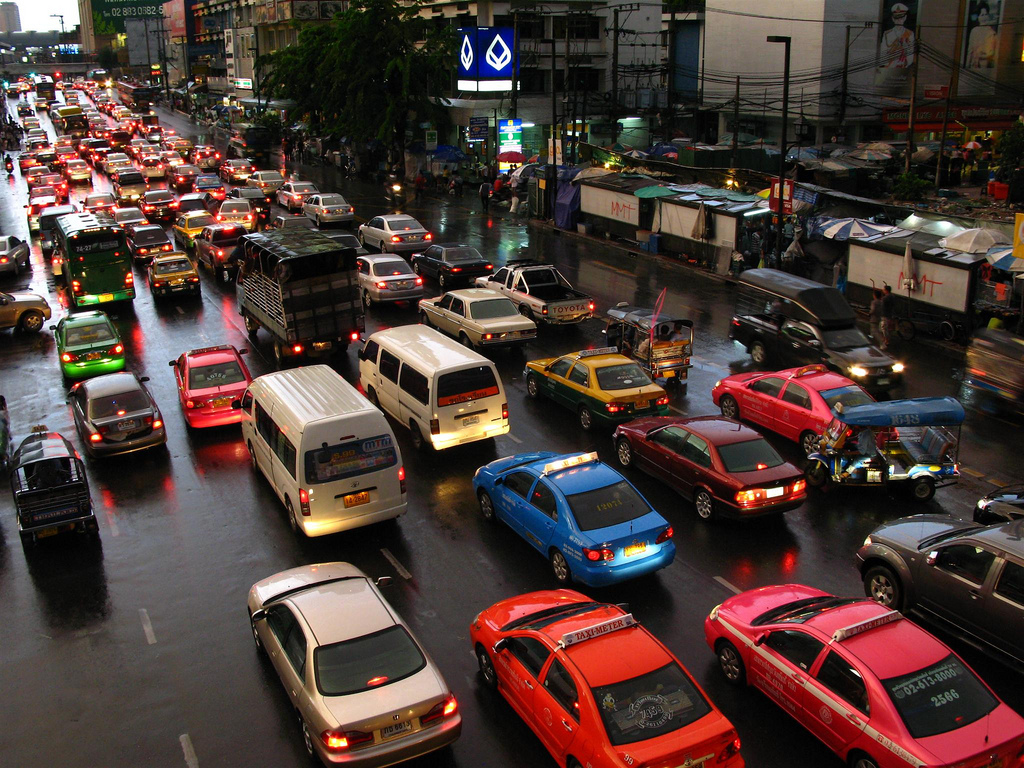
Traffic
We're not entirely convinced by Newman's prediction. More stringent corporate average fuel-economy laws are improving the average gas mileage of all vehicles. U.S. gasoline consumption actually peaked in 2006, and will likely fall more in coming years.
Households can switch to more fuel-efficient cars, and some level of telecommuting holds promise as well. Still, the housing market ruthlessly adjusts the value of all residences in real time.
Just too far away
This was evident in a late-2008 visit to California's High Desert, the very furthest reach of exurban development. The area had seen huge waves of "affordable" town houses and starter homes for buyers priced out of Los Angeles.
Located 90 miles from central LA, the area was simply too far from most jobs. When gasoline prices spiked in 2008, half-built condos were abandoned, fully-built developments stayed empty, and developers walked away.
Plug-ins offer hope
One ray of hope may be plug-in cars: The cost of driving a mile on grid electricity is one-fifth to one-half the cost of driving the same mile on $4-per-gallon gasoline in a 25-mpg vehicle. They're pricey today, but they'll get cheaper over time.
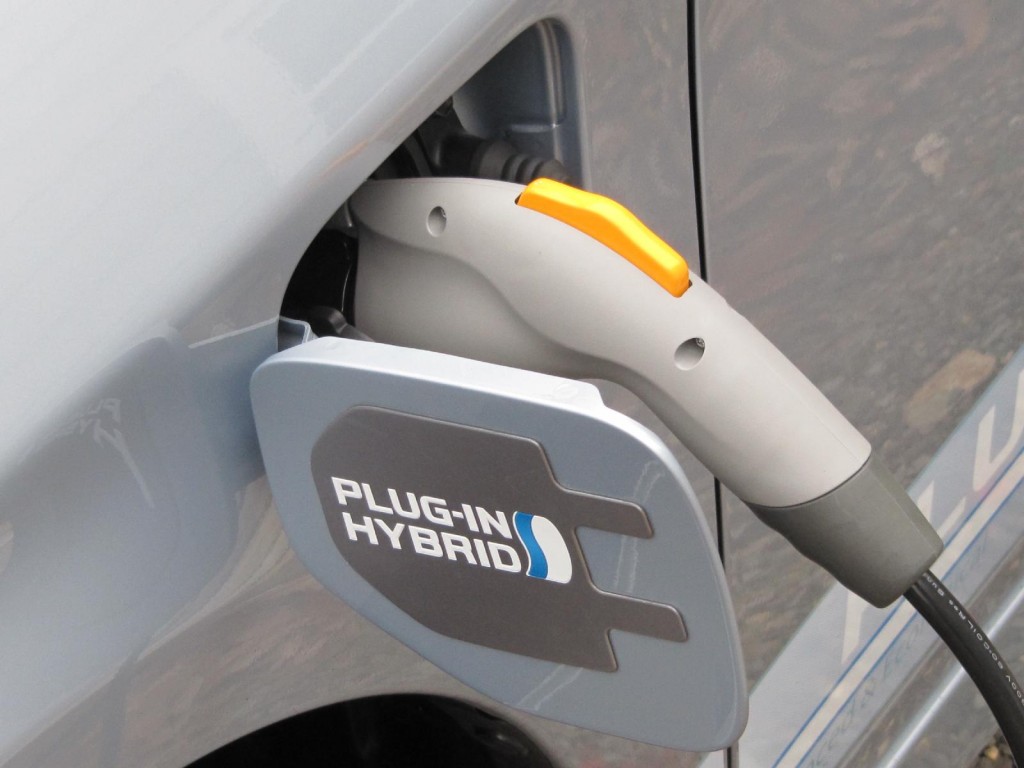
Toyota Prius Plug-In Hybrid prototype, tested in November 2010
Unfortunately, the elected representatives of suburban enclaves are historically many of the same ones who have consistently voted against Federal funding for development and rollout of plug-in vehicles--which could come to be viewed as sacrificing long-term salvation for short-term convenience.
While the complete Australian study is only available online to members of the Planning Institute, we might recommend such works as James Howard Kunstler's The Geography of Nowhere: The Rise and Decline of America's Man-Made Landscape.
Meanwhile, consider this question: How high would a gallon of gas have to rise before you'd reconsider where you now live?
Leave us your thoughts in the Comments below.
[The Age via TreeHugger; photos of Kibera slum by Chrissy Olson]
+++++++++++