That old capitalist tool, Forbes magazine, has issued a list of the 10 dirtiest cars sold in the U.S. At the very top, in first place for filth, is the Jeep Grand Cherokee. But it turns out there are some problems with their list.
There's history behind this. A decade ago, the website for Forbes magazine practically pioneered the concept of Top-10 lists online. Remember "10 Best Colleges for Successful Topless Teenage Wealthy Cheerleader Executive Entrepreneurs"?
Unfortunately, the cars Forbes flagged has some serious methodology errors (and one wrong photo), as more than 40 commenters--including BMW fans, Jeep owners, electric-car boosters, and one who doesn't believe that climate change is real--swiftly pointed out.

2009 BMW M5
And the winners are...
So which cars does Forbes say are the 10 dirtiest? Starting with the worst (parentheses include air pollution and greenhouse-gas scores; and EPA city/highway mileage ratings), they are:
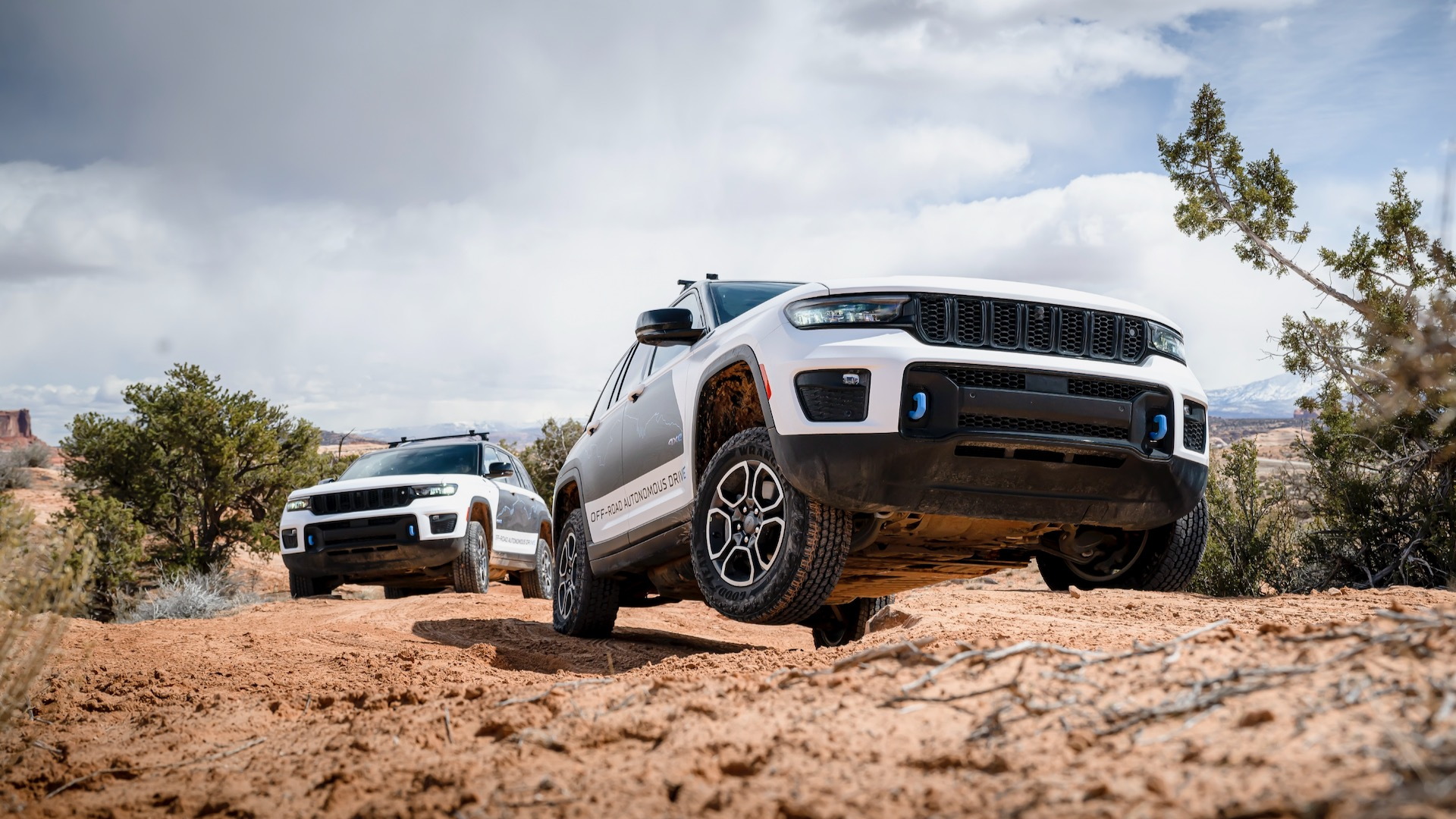
- Jeep Grand Cherokee (3/10, 1/10 with flex-fuel engine; 9/13 mpg)
- BMW M5 (6/10, 0/10; 11/17 mpg)
- BMW M6 (6/10, 0/10; 11/17 mpg)
- Chevrolet Trailblazer SS (6/10, 0/10; 12/16 mpg)
- Mercedes-Benz CL600 (6/10, 0/10; 11/17 mpg)
- Mercedes-Benz S600 (6/10, 0/10; 11/17 mpg)
- Chrysler Aspen (6/10, 1/10 with flex-fuel engine; 9/12 mpg)
- Dodge Dakota (6/10, 1/10 with flex-fuel engine; 9/12 mpg)
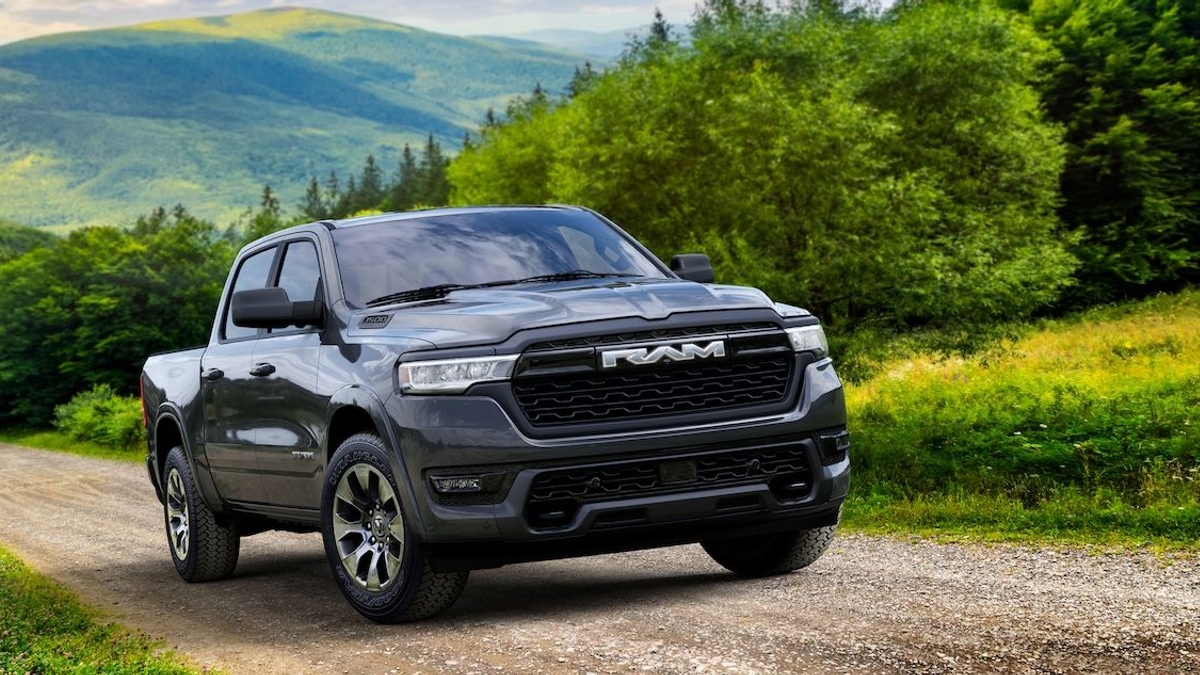
- Dodge Ram 1500 (6/10, 1/10 with flex-fuel engine; 9/12 mpg)
- Dodge Durango (6/10, 1/10 with flex-fuel engine; 9/12 mpg)

2006 BMW M6
Tailpipe emissions + greenhouse gases
We gotta say, the dirty-car list seemed like a promising piece of work. Forbes created a simple metric: multiplying the tailpipe-pollution and greenhouse-gas emission ratings from the U.S. Environmental Protection Agency (EPA) for passenger vehicles.
Each is rated by the EPA on a scale of 0 (worst) to 10 (best). Greenhouse-gas emissions tracks pretty closely to fuel efficiency, but in the case of a tie, the vehicle with the higher EPA gas-mileage rating won.
Tailpipe emissions include hydrocarbons, carbon monoxide, nitrous oxides, formaldehyde, and particulate matter, all hazardous to human health. They were first regulated in California, with national standards following in the early Seventies. Greenhouse gases include carbon dioxide, nitrous oxide and methane, all of which have been judged to alter long-term climate balance.

2008 Chevrolet TrailBlazer SS
But wait...
Methodology for any of these lists can be tough. But we noticed several things right off the bat: Three of the 10 are already out of production (the Trailblazer, Aspen, and Durango). That takes care of them.
Commenters had already noticed that Forbes had removed a sentence from an earlier version that claimed, "We did not evaluate models that will end production after this year." Clearly that's not true.
More interesting, many Dodge and Jeep owners wrote to say their real-world mileage was far, far higher than these numbers. Some charged anti-Chrysler and anti-American bias. But those gas-mileage ratings do look low, don't they?
Firestorm
Turns out that all five Chrysler vehicles list the emissions and fuel-economy ratings for the flex-fuel engine option running on E85 ethanol. Because ethanol has less energy per gallon than gasoline, its fuel economy is correspondingly lower. But that number has no relation to the gasoline mileage that actual drivers achieve in real world use.
After about 40 comments, author Hannah Elliott added a note saying, "For all of the vehicles profiled, we selected the worst-efficient [sic] trim level and engine listed in the EPA data."She added, "We wanted to show just how dirty the worst variants could be."

2007 Mercedes-Benz CL600
Well, OK, if that means picking a big V-8 rather than a smaller engine option, sure. But virtually no U.S. driver uses E85 on a regular basis. It's largely unavailable outside the Midwest (see list of U.S. stations) and its lower energy content makes it a questionable value.
No commercial trucks, no Ferraris
Sensibly, Forbes focused on mass-market passenger vehicles. They omitted both heavy-duty commercial vehicles (your basic Ford F-350 Super Duty pickup truck) and high-performance sports and luxury cars that sell in such low numbers they don't really matter (the odd Ferrari F430 or Rolls-Royce Phantom).
Which leads to a third concern: The M-series BMW models are hardly mass-market. And if they're included, why not include the Mercedes-Benz AMG models that compete directly with BMW's M line, and perhaps also Audi's S range?
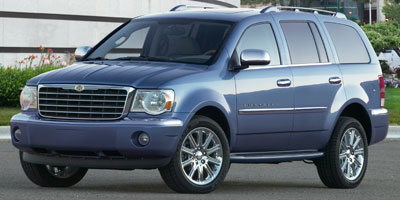
2009 Chrysler Aspen Limited
Basic Benzes dirtier than Beemers?
Elliott responded with a confusing answer that appears to boil down to the idea that AMG models are less prevalent and comparatively more expensive in the Mercedes-Benz line than M models from BMW.
Besides, she says, the fact that non-AMG Benz models made the list highlights the fact that "even some mainstream Mercedes vehicles emit high levels of pollution relative to their compeitors, while none of the BMWs do.
Elliott also posted a link to a page offering more details on the methodology used, although unfortunately it was dead when we attempted to view it.
Cars are getting cleaner
The magazine correctly notes, "Each of the cars on our list are...much cleaner than anything on the road years ago."
Still, we like looking at the actual data. We just wish it had been used in a way that reflected how people actually buy and use vehicles.
[Forbes]