Like an increasingly large number of Americans, you’ve decided that paying nearly $5 for gasoline isn’t your idea of a good time.
So, with all the due care and attention that goes with car buying, you’ve swapped your old car for a brand new electric car or plug-in hybrid.
Now, your shiny new car is sitting on your driveway and you’re getting your first experience of living with a plug-in car. But what else can you do to make your transition to electric--and life as a plug-in owner--as easy as possible?
Here are just a few suggestions.
Get a level 2 charging station in your home
If you’ve just got a new car--especially a Chevrolet Volt or Toyota Prius plug-in hybrid--the chances are you haven’t yet invested in a 240-volt home charging station.
Instead, you’re content to charge using the supplied 110-volt emergency charging lead which came with your car.
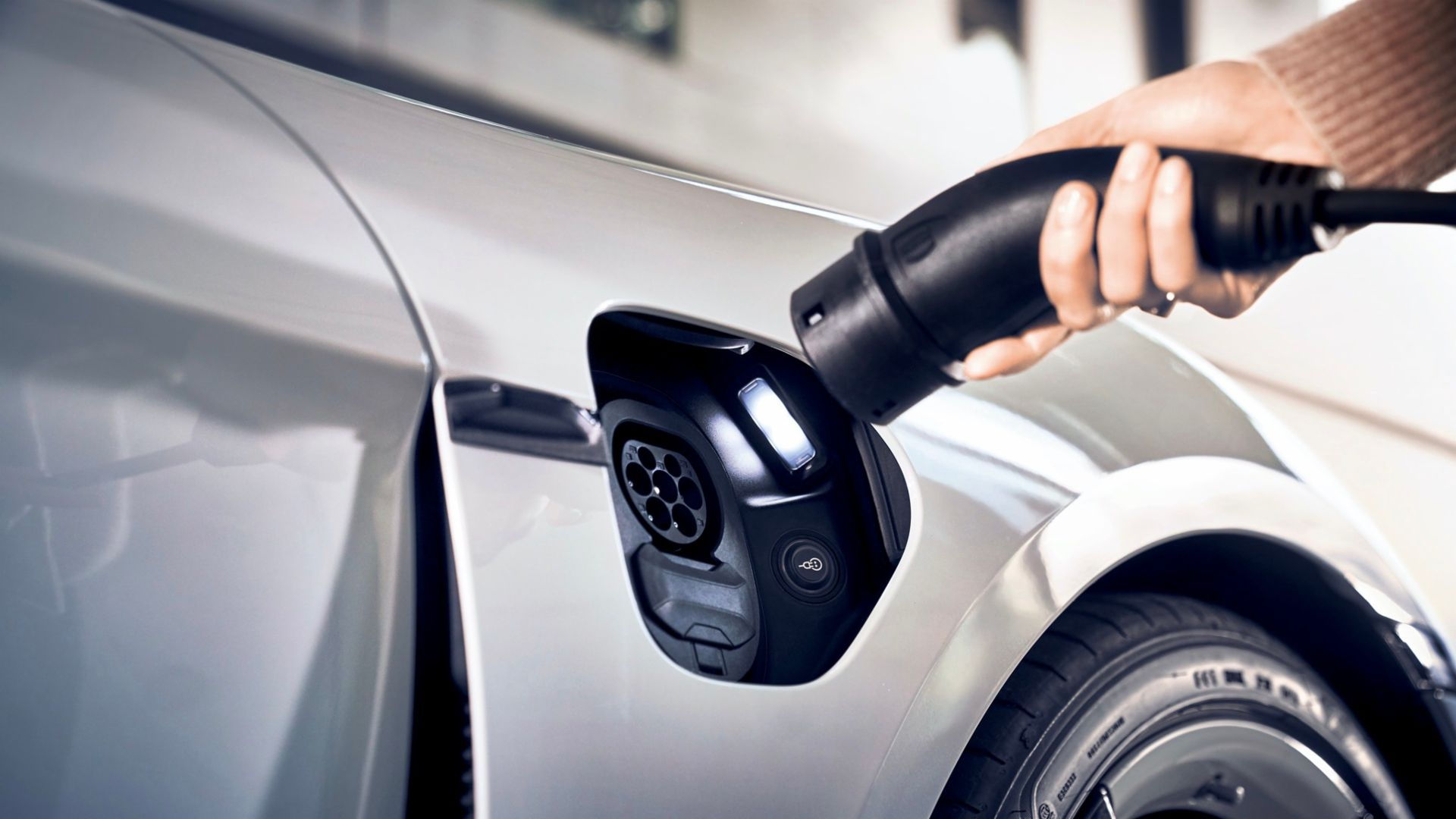
For added security and convenience however, there’s no substitute for a 240-volt, level 2 charging station in your garage.
Not only will it charge your car more quickly, making it easier to grab a quick charge between errands when needed, but it will be safer and simpler to use than trailing a cable across your garage to the nearest 110-volt outlet.
For the best prices, shop around online, and ask other local plug-in car owners if they have any recommended local electricians who could help you navigate local laws, and installation practices.
A3 e-tron charging station installation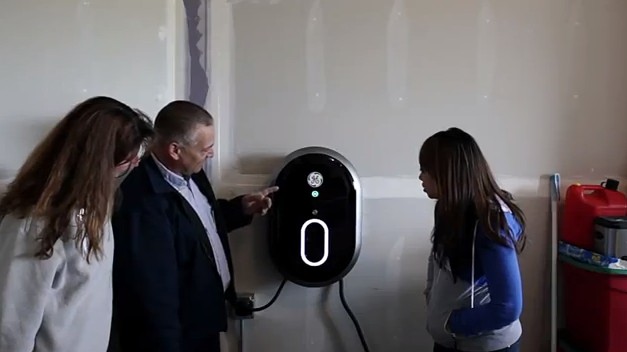
If you already have a 240-volt outlet in your garage for use with power tools or a drier, you can even get charging stations which plug in to an appropriately-approved NEMA socket.
Whatever route you go, however, make sure you get your electrics checked to make sure they can cope with the demands of an electric car charging.
Join a local plug-in group, national group or online forum
The chances are that your new plug-in car is the most advanced car you’ve ever owned.
It probably has lots of neat features and tricks that you aren’t even aware of.
The best place to learn about them, and how to get the best out of your new vehicle, is at the local plug-in group, or from a friendly, online forum.
If you live in certain big cities like Washington DC, San Francisco, or Seattle, the chances are there’s a plug-in owners group well within a single charge of your home.
Mostly friendly and knowledgeable, the other members there can deal with your questions, help you find charging stations, and even help modify your plug-in car.
Meanwhile, online forums are a great place to find out more information if you’re not a sociable type or live too far away from a local group meeting.

ECOtality Blink charging station for electric & plug-in cars
Sign up to a charging network (or several)
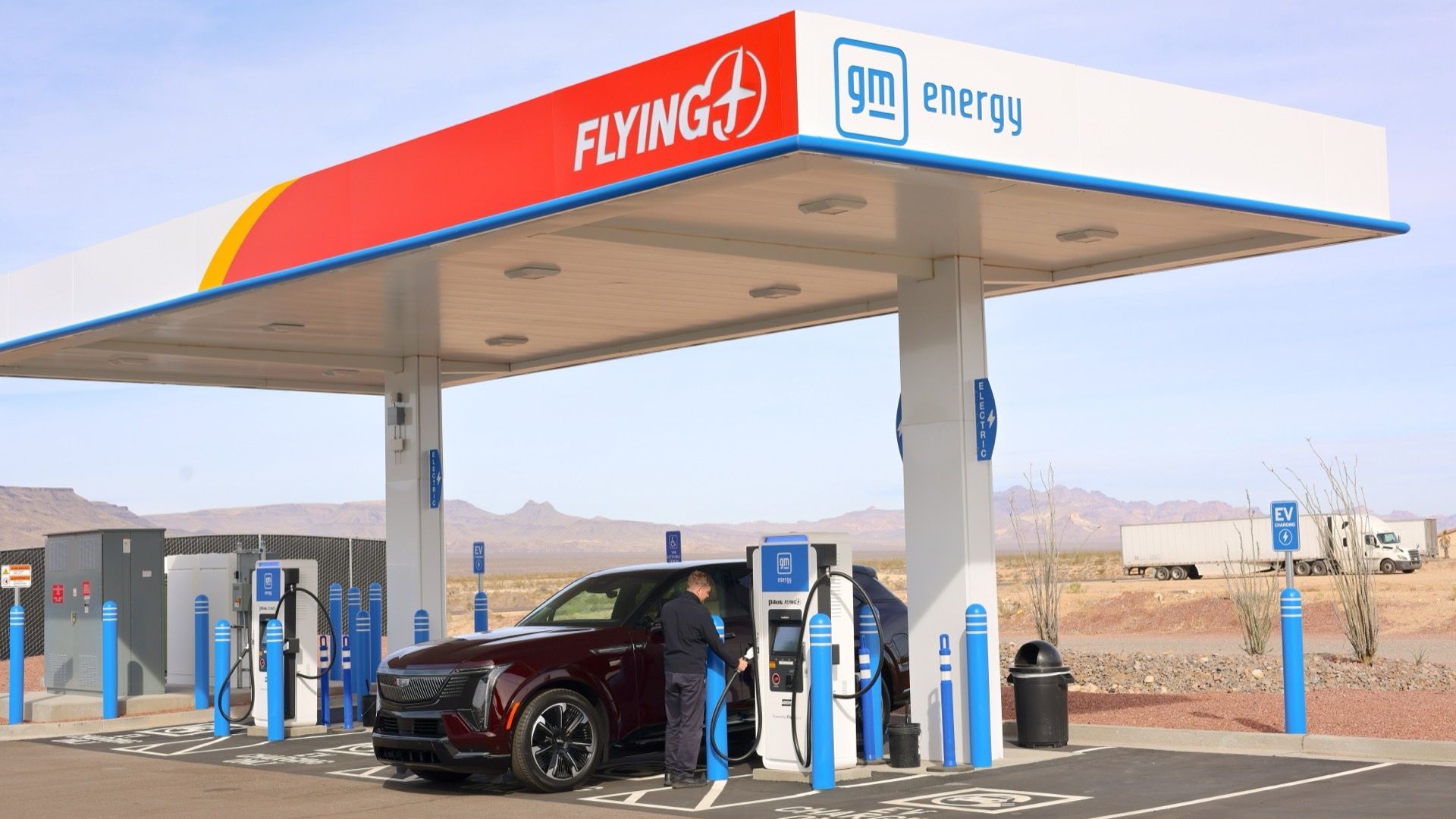
Although most charging of plug-in cars happens at home, there’s nothing better than knowing you can make a trip and top your car off when you arrive at a public charging station.
Not only does it help quell those early-ownership range anxiety worries, but it ensures you always have access to a charging station when you’re far from home.
Unfortunately, however, a wide range of different companies currently offer public charging access in the U.S. Most require you to sign up for a yearly subscription of a few dollars in exchange for an RFID smart card or keyfob.
Once you’ve completed the forms and sent payment off, you’ll be sent a smart card which you will be able to use at whichever brand of charging network you’ve signed up for.
Some networks charge for electricity on a pay-as-you-charge system, while others cover the cost of charging in the yearly subscription.
To avoid a purse or wallet full of charging cards, ask other local plug-in owners which charging stations are most popular in your area, and only sign up for the networks you think you’ll use to avoid a wallet full of cards!
Get a smartphone, get apps
Owning a plug-in car and owning a smartphone go hand-in-hand.
That’s because nearly every major plug-in automaker offers a range of Android, iOS or Windows smartphone apps that allow you to connect to your plug-in car remotely.
Using these official apps--as well as a suite of well-written third-party apps--you can connect to your car, check how full its battery is, set preconditioning and charger timing, and in some cases, even unlock the doors.
Not only does it mean you’ll never have to scrape ice off your car’s windshield again, but it means that come sun or snow, your car is ready to leave when you are.
It isn’t just car connectivity, however, that makes smartphones ideal plug-in car companions.
Nissan Leaf Updated Carwings Software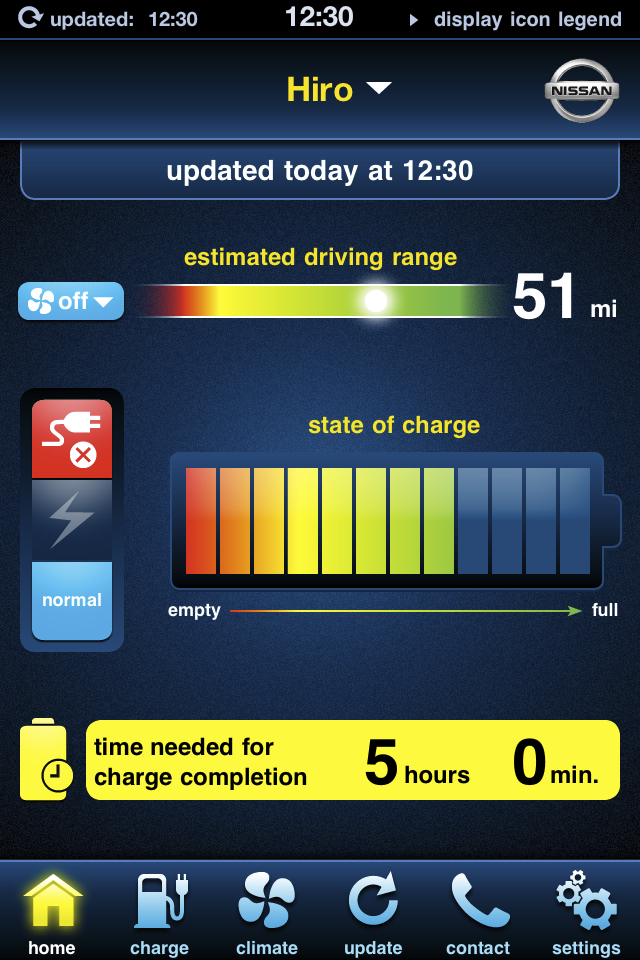
Today, there are an increasingly large number of applications devoted to finding a place to charge.
These range from network-specific apps listing only certain brands of charging stations through to community driven plug-sharing projects and even state-wide or nationwide charging databases.
Not only does this help you plan longer distance trips more effectively, but it can help you should the unexpected occur--and you find yourself at a broken charging station.
Be prepared to EVangelize
As any plug-in owner will tell you, there’s a certain amount of time spent owning a plug-in car that consists of talking to other people about owning your car.
Regardless of it being in the local grocery store parking lot, in your office, or at a specially-designated plug-in day event, people will want to know what life is like with a plug-in car.
Common questions include answering things like “What’s it like to drive?”, or “How much does it cost to fill up?”, but you should also be prepared to answer the tougher questions that those who are less-convinced of plugin cars will ask you.
If someone does stop you to ask about your car, remember that you’re an ambassador to plug-in cars. Be polite and honest. Don’t make up facts, and if you’re not sure of something, say so.
And, when it comes to coworkers, family, and friends, make sure you give them a ride in your new car.
National Plug-In Day 2012: San Francisco, with 60 Nissan Leafs in front of the Golden Gate Bridge
After all, there’s nothing better than an EV Grin to get others interested in plug-in cars!
Finally
There are plenty more things you can do--including buying solar panels, switching to a greener energy supplier and perhaps even selling your old gas car--but first and foremost, get out in your car and have fun.
And once in a while, treat yourself to something with the money you’ve saved from not visiting the gas station once a week.
What other advice would you give first-time plug-in owners?
Leave your suggestions in the Comments below.
+++++++++++