It’s no secret that electric cars sales in the U.S.--and elsewhere in the world--aren’t as high as automakers and electric car advocates would like.
The reasons given for this are many and varied: some commentators say plug-in cars are simply too expensive; others say that the lack of charging infrastructure, combined with limited range per charge, means electric cars aren’t practical.
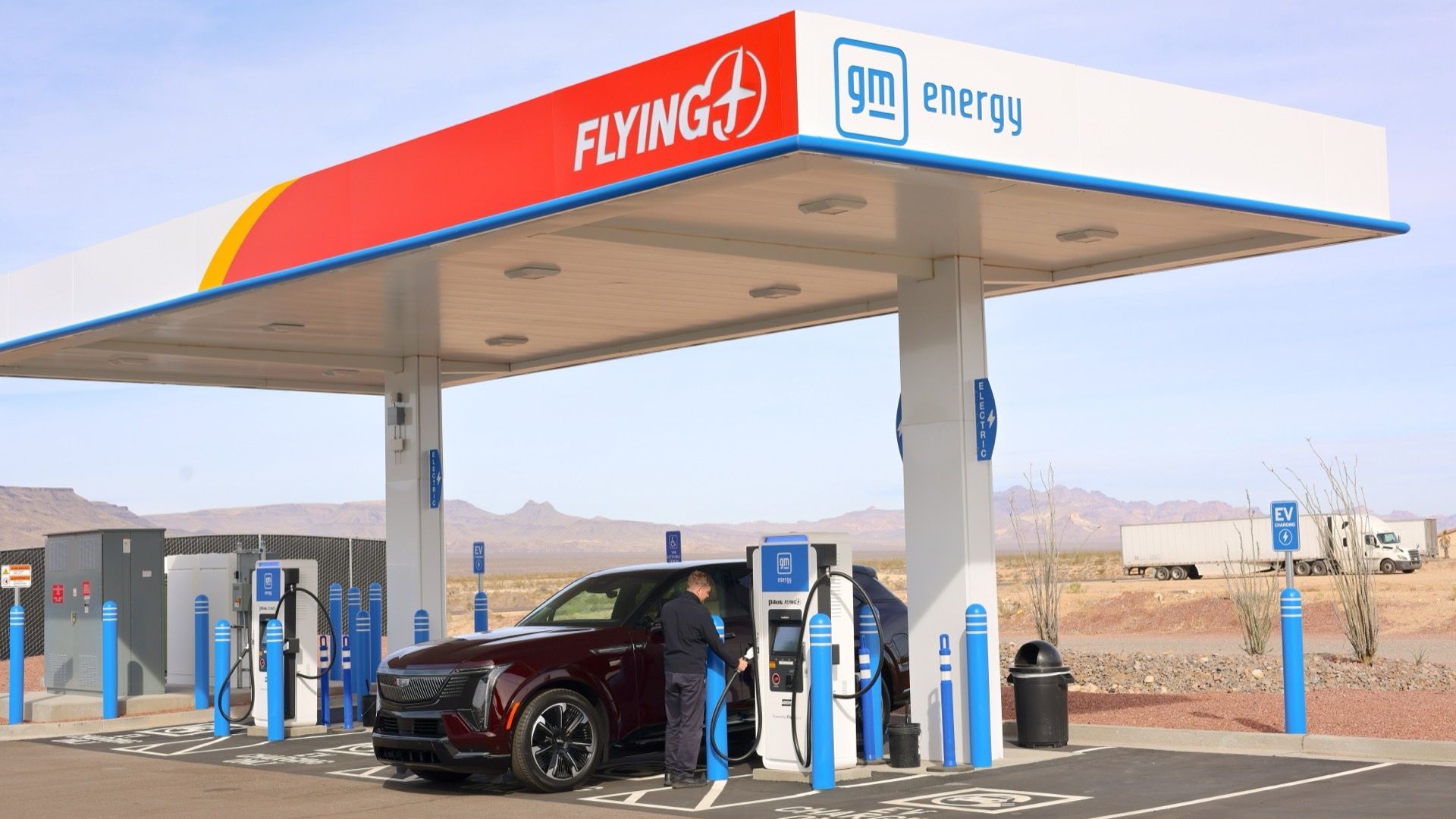
The recent unveiling of a network of proprietary supercharger rapid charge stations by electric automaker Tesla Motors [NASDAQ: TSLA] was a clear attempt to address the latter, finally making long-distance trips by electric car more feasible.
But is Tesla’s decision to move away from an already-agreed charging standard just muddying the waters? Should electric car fans and automakers focus on something else, like making more electric cars?
According to electric vehicle advocate Chelsea Sexton, the answer to those questions is a resounding yes.
Writing for Wired, Sexton argues that the battle between different automakers and charging station providers for the ultimate in charging technology is an unwelcome distraction from the real challenge facing the electric car world: getting more cars on the road.
As Sexton points out, electricity isn’t the problem: it’s ubiquitous, simple to use, and an ideal vehicle fuel.
CHAdeMO standard - on ECOtality DC fast charger
Fighting over charging connectors by building new, unnecessary ones--simply because the existing standard is viewed as too large, inelegant, or not powerful enough--is making that electricity harder to use in cars.
Just like any other consumer product, fighting over proprietary connector technology adds extra complexity, keeps prices up, excludes competition, and frustrates customers.
“Not only is Tesla alienating the rest of the EV industry and community with its Supercharger, it is ensuring its own drivers won’t be able to use the vast majority of fast charging in this country,” Sexton notes.
“Many of them, in fact, will be left out altogether since fast charging capability is unavailable on the lowest-range Model S.”
Tesla, she says, like many other automakers, is preoccupied with proving that electric cars can do everything gasoline cars can do.
Instead, Sexton suggests, automakers should focus on making and selling electric cars, rather than bickering about the intricacies of charging connectors.

J1772 Tesla Mobile Connector
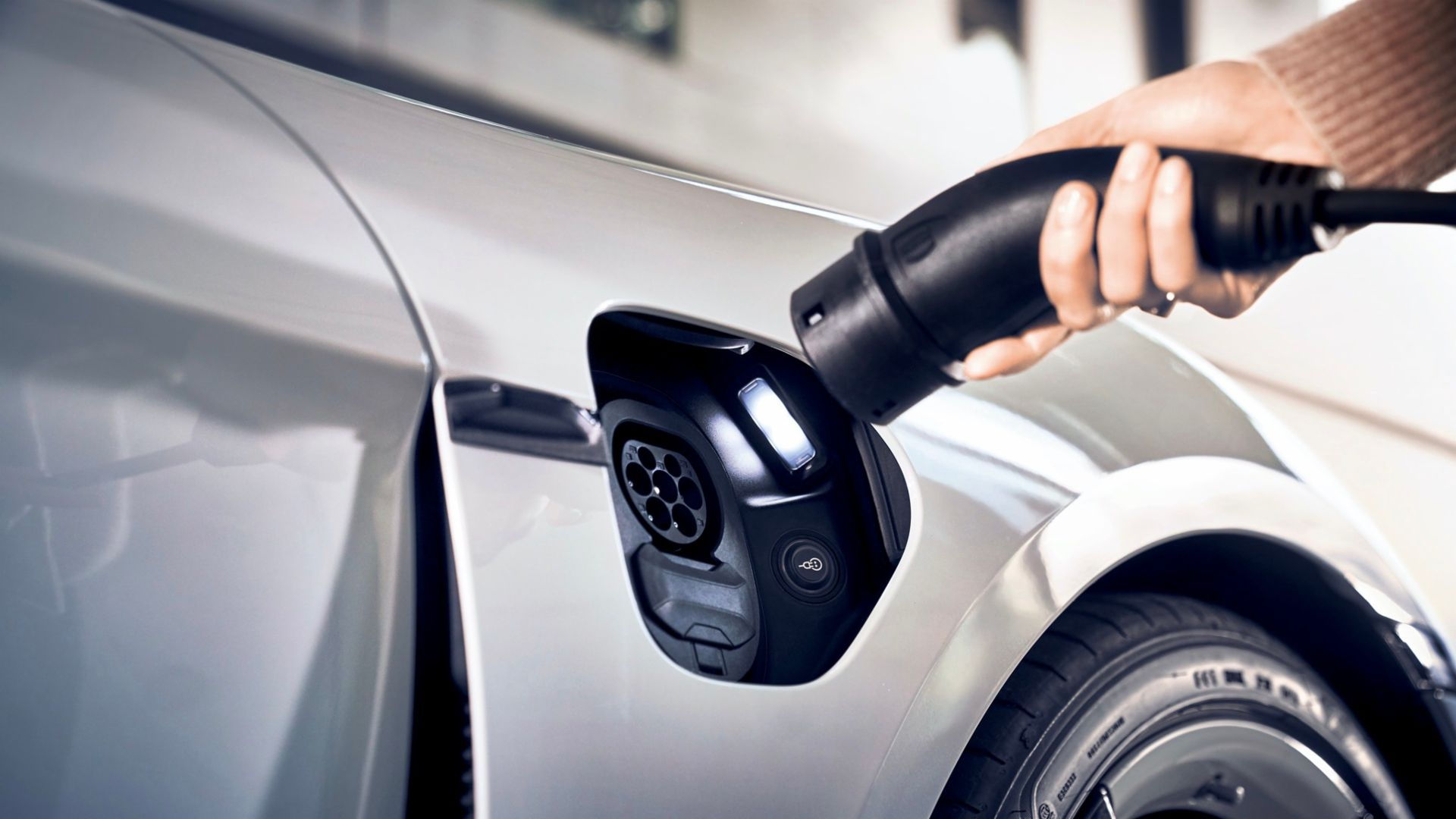
After all, she notes, a charging standard already exists: it’s called SAE J1772. It was put in place to standardize both the mechanical connections and electronic communications between a charging station and an electric car.
With the J1772 standard providing a ubiquitous standard for 240-Volt Level 2 charging--at either 3.3 or 6.6 kilowatts, depending on what charger automakers fit in their electric cars--arguments over fast charging standards risk confusing the public over whether it's possible to charge the cars at all.
For example, Tesla's Supercharger quick charge system isn't compatible with a Chademo quick charge system. And neither quick charge systems can be used with the slower, level 2 charging system commonly found on most Level 2, 240-volt, public charging stations.
The problem isn’t just relegated to Tesla either. Nissan and Mitsubishi both use the Chademo standard for rapid charging electric cars. Ratified as a standard in Japan, Chademo hasn't been officially acknowledged as a charging standard in the U.S.
German automakers and their U.S. counterparts are working on closely related (although not identical) fast-charging standards that build on the J-1772 coupler. The U.S. version of that standard is known as the "SAE Combo" connector, but the first cars to use it--let alone any fast-charging stations for it--will not hit the market until 2013 or 2014.
While this standards war is consuming the electric auto industry, the average car buyer has more pressing concerns.
How fast? How far? How much?
The answer to those questions isn’t found in the charger plug.
“Unless the industry zips up and starts getting serious about making electric vehicles, all the chargers in the world won’t give drivers a happy ending,” Sexton concludes.
What do you think? Leave your thoughts in the Comments below.
+++++++++++