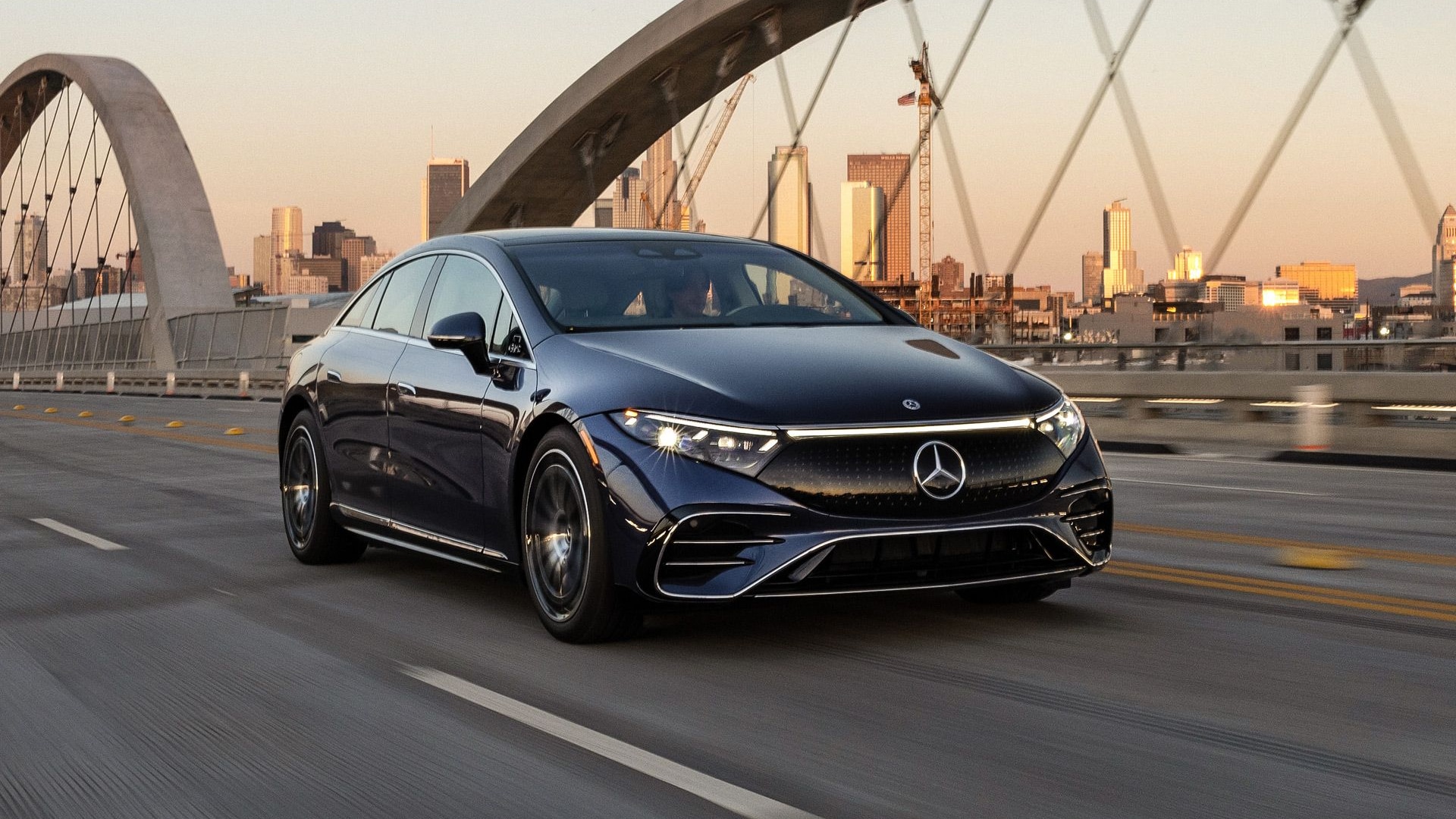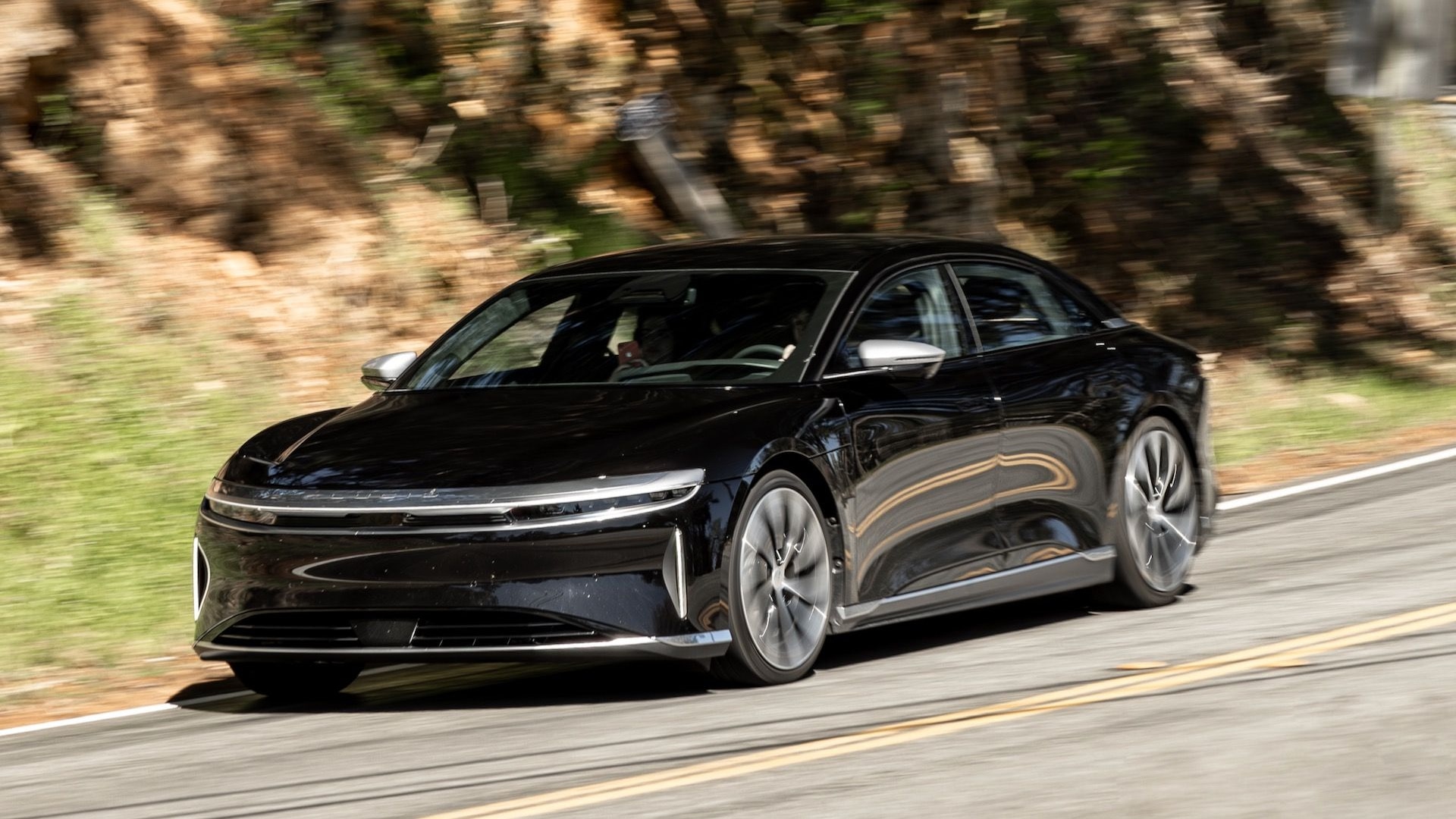
When General Motors launched the Chevrolet Volt back in 2010, the plug-in hybrid increased GM’s market share by bringing customers to the brand who would have never before thought of purchasing a Chevy.
Now it seems, the 2013 Spark is following in the Volt’s tire tracks.
According to Automotive News (subscription required), Chevrolet’s new minicar is proving a real magnet for first-time Chevrolet customers looking for a cheap, fuel-efficient car.
These so-called ‘conquest’ buyers -- customers who are new to GM -- account for 54 percent of all Spark sales.
It isn’t just college kids -- one of the Spark’s key target markets -- who are buying the $12,995 minicar either. While 30 percent of buyers are under 35 years old, GM is finding everyone from seniors to soccer moms want one.
And it isn’t just large cities on the east or west coast, either.
The 2013 Spark is even proving popular in areas traditionally dominated by pickup trucks.
As Automotive News reports, one dealer, located just outside Austin, Texas, has sold all 16 of its launch allocation of 2013 Sparks.
More used to selling pickups than it is cars, the dealer has promptly ordered another 25 Sparks.
2013 Chevrolet Spark minicar, New York City, Aug 2012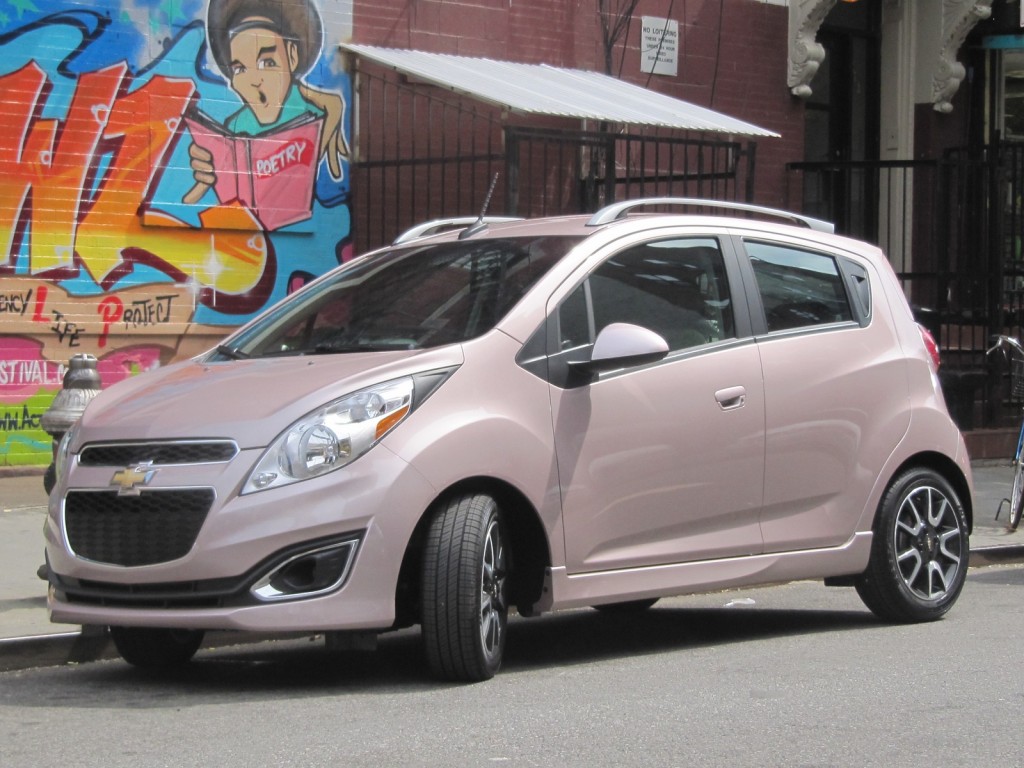
Aside from sales, which are already much higher than GM initially thought they would be, the funky hatchback is also helping other GM sales too.
Just as dealers discovered with the Volt, customers who come into Chevrolet dealers for the first time to test-drive a Spark may end up buying another Chevy instead.
Just like the Volt, the Spark is a halo car for the rest of the Chevrolet brand.
A small, fuel-efficient Chevrolet enticing car buyers away from other brands, and perhaps even helping Chevrolet sell other cars as well?
The dawn of the American minicar might have finally arrived.
+++++++++++