Hybrids have been popular gas-sipping choices for several years, but it's taken until this year for momentum to really gather behind plug-in hybrids.
Using mostly familiar hybrid technology, but with larger batteries that can be charged separately as well as during driving, many consider plug-in hybrids the ideal middle step between hybrid vehicles and full battery electric cars.
With some already on sale and others due in the next year, we've compiled a guide on all the plug-in hybrids--and range-extended electric vehicles--you need to know about.
And happily for drivers in California, all of the cars below will have free access to California's HOV lanes.
2013 Chevrolet Volt
After slow intial sales and plenty of unpleasant prods from the media and politicians (revealed in more detail via our ultimate guide), the Volt is finally finding its feet and sales are steadily creeping up. Rather than a typical power-split plug-in hybrid like some of the others here, the Volt is really a range-extended electric vehicle--an electric drivetrain with around 40 miles of range does most of the work, but once you run out of battery juice the 1.4-liter gasoline engine keeps you going.
It's proving an incredibly popular vehicle with owners, who collectively have traveled 63 percent of their miles in EV mode--so Chevy can lay fair claim to the "electric car" tag, despite that internal combustion engine sitting in the nose.
2012 Fisker Karma during road test, Los Angeles, Feb 2012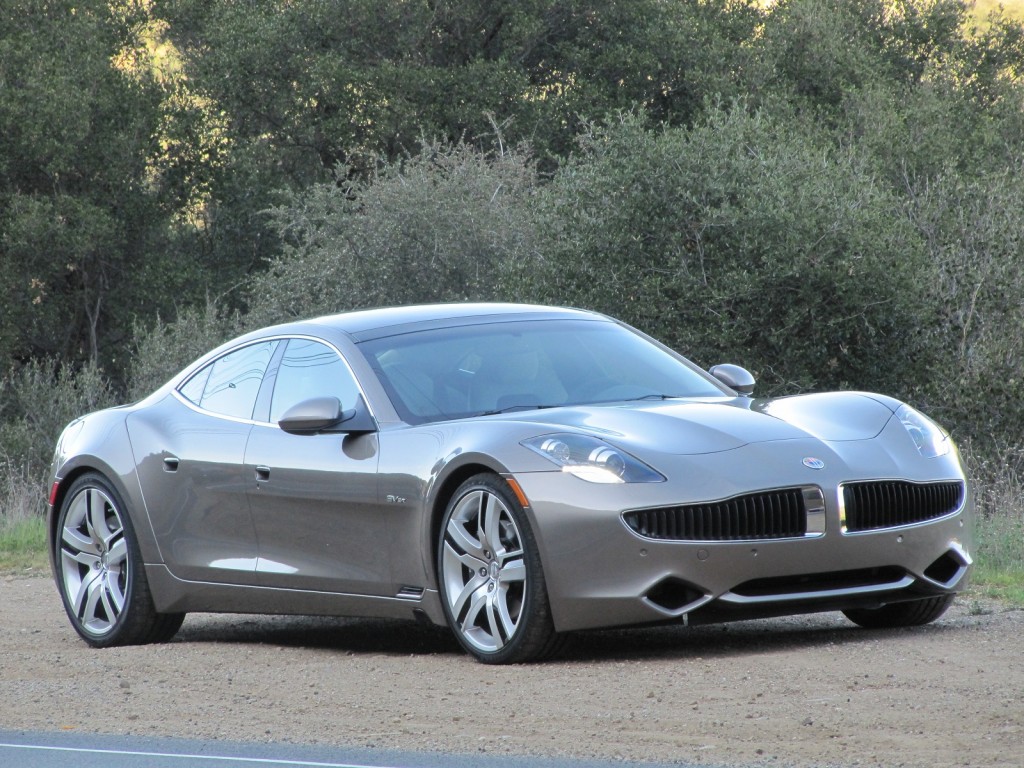
The easiest way to think of the Fisker Karma is as a bigger, faster and sexier Chevy Volt. Indeed, it even uses a 2.0-liter GM turbocharged engine as a range extender, and it's not been immune to some of the problems Chevy faced in its first year of Volt production either.
In fact, those problems have rather tainted Fisker's reputation, with breakdowns, quality issues, recalls and fires all making the news. On the flip side, it's become the new poster child of eco-minded celebrities, with Leonardo di Caprio and Justin Bieber counting themselves among Karma owners. It may be rough around the edges, but you can't fault its performance or looks. You can read a full guide on the Fisker Karma here.
2013 Ford C-Max Energi
Ford's C-Max has been on sale for several years in Europe as a practical alternative to the Focus, and now it's hitting U.S. shores. Topping the range is the C-Max Energi, a plug-in hybrid version promising excellent fuel efficiency and a healthy electric range.
There's performance aplenty too. The C-Max Energi will hit 85 mph in all-electric mode, and when you're not doing freeway speeds Ford predicts an all-electric range of 20 miles. Combined EPA fuel efficiency should be around 95 MPG-equivalent. Pricing starts at $33,745--cheaper than its plug-in Prius rival.
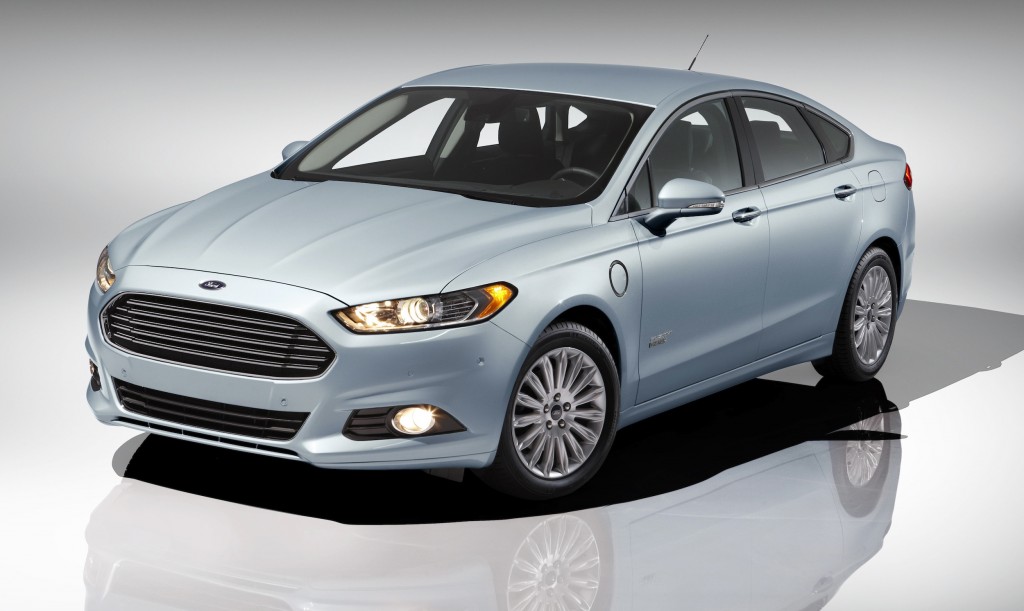
2013 Ford Fusion Energi
2013 Ford Fusion Energi
Running the same drivetrain as the C-Max Energi and supplementing the regular Fusion hybrid, the Fusion Energi is the second of Ford's big plug-in hybrid stars and arrives with some headline efficiency figures--not to mention striking styling.
Unsurprisingly, they're similar to the equivalent C-Max: an all-electric range of around 20 miles, all-electric operation up to 85 miles per hour, and predicted combined economy of 95 MPGe. With the C-Max positioned to rival the plug-in Prius, the Fusion Energi could be aimed squarely at the Chevy Volt.
2014 Honda Accord Plug-In Hybrid
Honda may have been first on the scene with a hybrid--offering the original Honda Insight back in the late 1990s--but it's taken until now for the company to offer a plug-in hybrid. Luckily, Honda hasn't taken any half measures, and our first drive of the car revealed a pleasant drive and several useful features.
Electric range is between 10 and 15 miles, and the 2.0-liter four cylinder drivetrain with two-motor electric assistance can work either in all-electric mode, as a series hybrid, or as a parallel hybrid. Total combined output is 196 horsepower. You can discover more details on the Accord plug-in here.
2012 Toyota Prius Plug-In Hybrid
Out of all the above plug-in hybrids, we're most familiar with the Prius. That's not just because we've driven it on several occasions, but also because it's so similar to the regular Prius in operation that driving it feels no more unusual than the regular car.
The relatively mild transition to plug-in hybrid also means that it lacks the longer electric range of some of the other vehicles here, and it doesn't really break any new ground, but if what you've always wanted was a Prius to go a little further in EV mode, then this is tailor-made for you.
+++++++++++