It's been a long time coming, but the 2012 Coda Sedan is now on sale at a handful of dealers in California.
Six months after the very first Coda compact electric cars were delivered to buyers, the company is gearing up a major publicity push to sell the electric sedan--which we've now driven.
Our bottom line is that the Coda Sedan is a practical electric car with 100 miles of real-world range in mixed use.
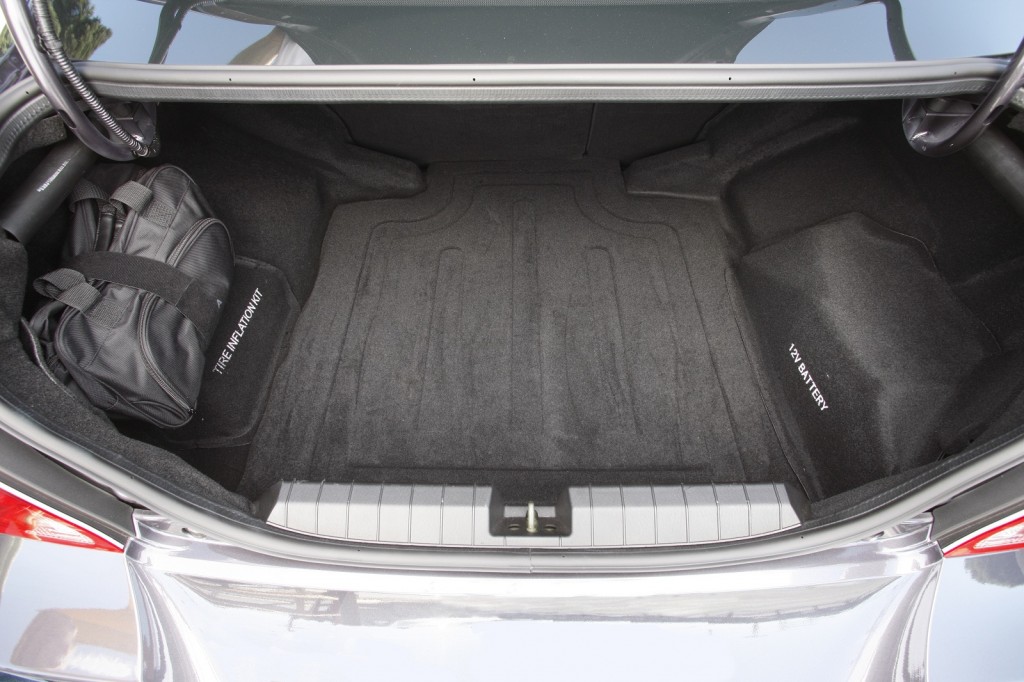
Its interior is attractive, if short on features, and the floorpan location of the battery pack gives it not only a sizable trunk but the ability to fold down its rear seats to carry large items.
On the other hand, the Coda still needs a lot of fine-tuning before it can come close to competing head-to-head with plug-in electric cars from global automakers like Nissan, Chevrolet, Toyota, and Ford.
And the company faces a long uphill climb to get name recognition for a plain-Jane sedan without the design flash or audacious claims of plug-in vehicles from the two other electric-car startups, Tesla Motors or Fisker Automotive.
95 miles of real-world range
To kick off its marketing effort, Coda Automotive held its first-ever traditional press launch this week in Santa Monica, California.
We drove a silver 2012 Coda Sedan 81 miles through urban stop-and-go traffic, up and down winding canyon roads, and in LA's fast-moving 70-mph-plus freeway traffic. At the end of our trip, we had an indicated 14 miles of range left, with 17 miles of "maximum range" indicated.
That means the Coda is the second electric car on the market--after the 2012 Toyota RAV4 EV crossover utility--to offer real-world range of around 100 miles and cost less than the Tesla Model S, which starts at $57,400.
Invisible electric car?
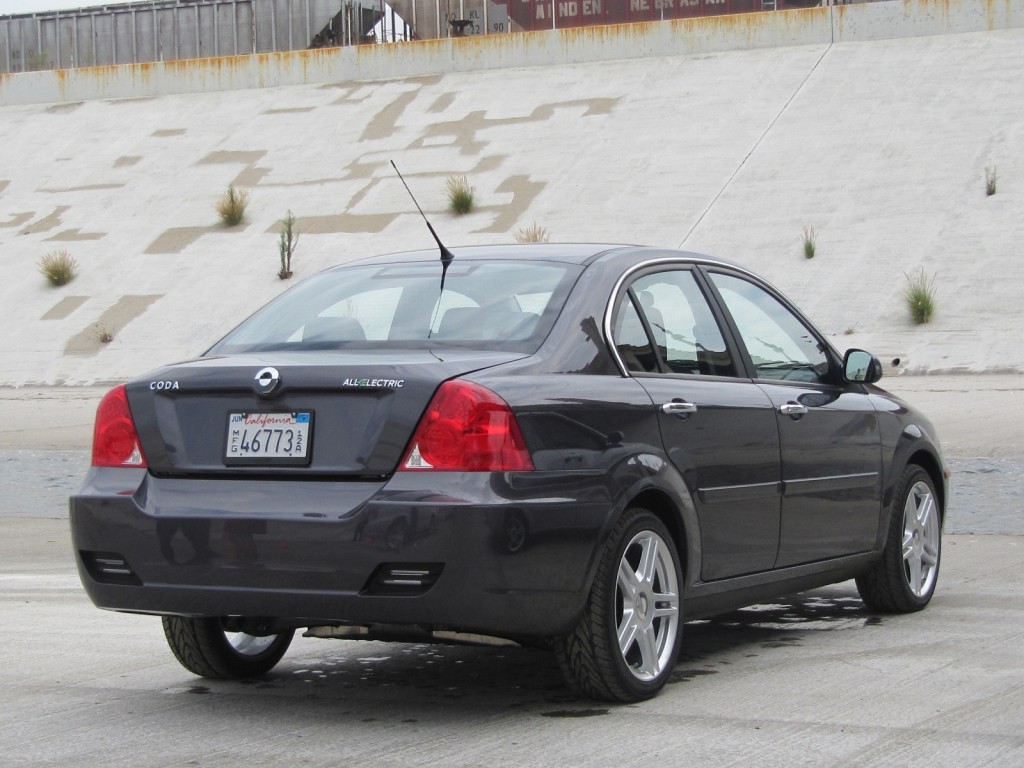
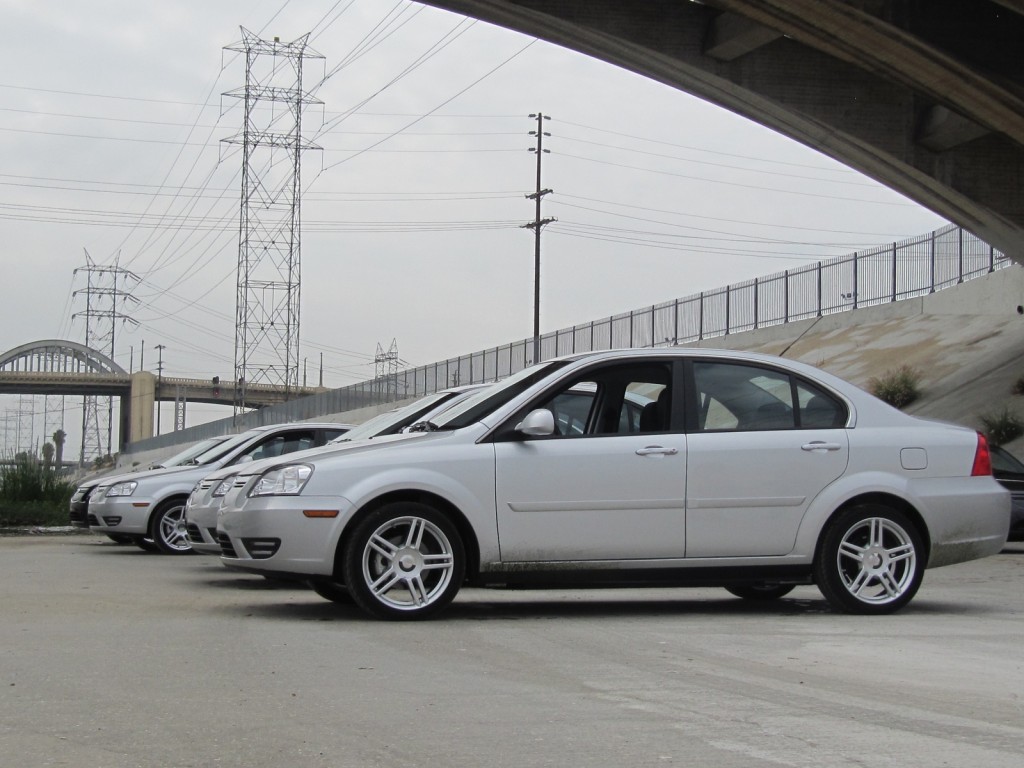
From the outside, the Coda Sedan could be the invisible electric car. Not a single person paid a whit of attention to it on the road, obviously seeing it as a generic compact four-door sedan.
The lines date back a decade, to a Mitsubishi-developed vehicle more recently built and sold in China as the Hafei Saibao. A heavily modified version of that car serves as the basis for the Coda.
2012 Coda Sedan
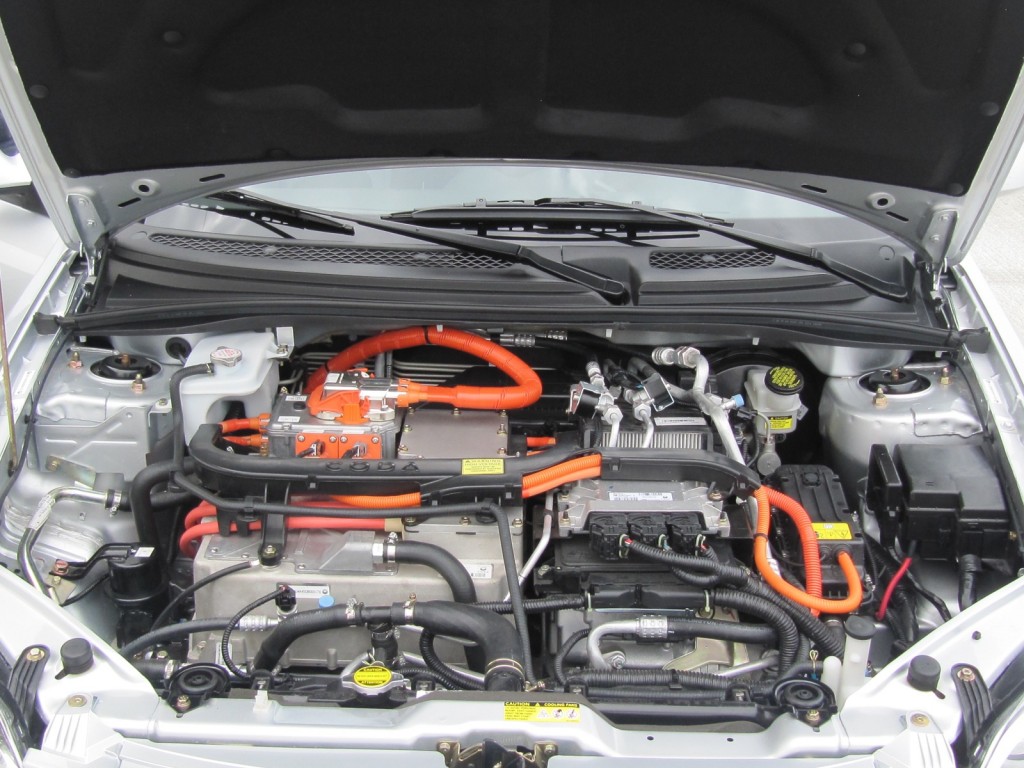
Rolling Coda Sedans minus their running gear are assembled by Hafei in China and shipped to the U.S., where electric-drive components are added at a facility in Benicia, California.
That makes the Coda a "U.S.-built car" even though both the "glider" rolling vehicle and the lithium-iron-phosphate cells for its battery pack are built in China.
The pack contains 31 kilowatt-hours of usable energy, and the EPA rates the 2012 Coda Sedan at 88 miles of range.
Eye of the beholder
We think Coda's basic shape is fine, if forgettable. Some will dislike it, just as others find the extreme lines of the Nissan Leaf to be unappealing.
It's somewhat slab-sided, and a few details don't really gel: the front blanking panel isn't particularly graceful, and the amazingly low-profile tires on 17-inch alloy wheels look lost in wheelwells obviously designed for much taller tires.
The chrome Coda symbol on the trunk lid is huge and out of place, resembling a chromed lug nut from a railroad locomotive.
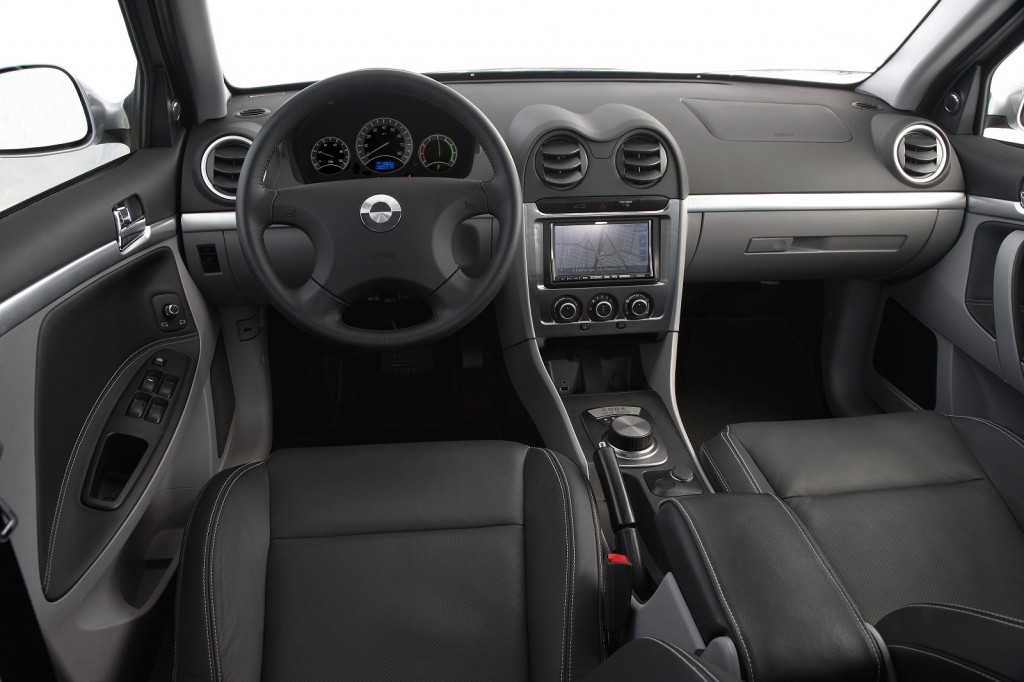
Inside the car, Coda has made the most of simple materials: pale-grey and black hard dashboard plastics, separated by a semi-gloss horizontal band of silver trim.
2012 Coda Sedan
The optional dark-grey leather seats have contrasting white stitching, and the dash design is simple and straightforward, with four large eyeball vents, a hooded instrument cluster, and a simple center stack containing a small 7-inch touchscreen display.
The seats are comfortable, although because the battery pack is in the floor, all passengers sit in a more knees-up position than the Coda's upright lines would indicate. That's a trait shared with the Tesla Model S, by the way, which also has its battery in the floorpan.
Punchy in traffic
The front wheels of the 2012 Coda Sedan are powered by a 100-kilowatt (134-horsepower) electric motor, which delivers good acceleration away from stops and is tuned for speedy acceleration between 30 and 70 mph--8.4 seconds, Coda says.
Acceleration starts to fall off sharply above 65 or 70 mph, and top speed is limited to 85 mph.
The handling, while hardly light or crisp, is better than we expected, with good roadholding--due partly to the Coda's low center of gravity--and nicely direct electric rack-and-pinion steering. It's not a sport sedan, but its torque and handling kept us comfortably in the thick of traffic on LA's curving canyon roads.
The finer points of the driving experience, however, are one of the areas where the Coda Sedan betrays its much modified and adapted roots as a completely different vehicle.
Details need sorting
On liftoff, the car glides for a couple of seconds and then engages fairly strong regenerative braking--notably slowing the car. We learned to use this to our advantage, but it's a unique behavior not found in any other electrically powered car we've driven.
2012 Coda Sedan
There's some slight lurching on abrupt power transitions, and Coda hasn't yet gotten idle creep quite right, with discernible "cogging"--the fast on-off application of electric power--on brake liftoff without any acceleration.
The braking itself was the Coda's most perplexing element, with unpredictable pedal feel--sometimes firm, occasionally spongy--and seemingly non-linear rates of slowing down.
Modulating between regeneration and friction braking is tough for any automaker, and Coda needs to continue refining its control software to match the feel of Toyota, Nissan, and Ford hybrid or electric regenerative brakes, where transitions are utterly impossible to detect.
We did observe that the Coda's front discs and rear drums stopped the car handily under panic braking, though we don't have stopping distances to compare against other compact sedans.
Many, many details...
It's behind the wheel, using the Coda Sedan in everyday traffic and on freeways, that many of the car's little detail shortcomings and oddities are revealed:
- There's a noticeable motor whine or squeal from roughly 50 to 70 mph
- The door armrest height is 2 inches lower than the central console armrest, meaning the driver can't comfortably prop up both elbows
- The blue LCD odometer display is unreadable to any driver wearing blue-blocker sunglasses
- The interior doorhandles are flimsy, loose, and feel like they'll break off
- The driver's window has neither auto-down nor auto-up, a major annoyance for anyone who pays tolls or uses a drive-through
- The turn-signal clicker volume is so low that it's impossible to hear with a window open or if the stereo is on
- The rear-view mirror stem is so short that adjusting the mirror traps the driver's fingers against the overhead sunglasses compartment
- The pale-grey plastic outer edges of the console in our car were discolored after a day of contact from dark-blue jeans--and we saw this on several Codas
- The opening cover of the console is held shut with glued-down Velcro
- The touchscreen display doesn't save its state when the car shuts off, meaning the driver has to reset it every time
- The clock on the display isn't present on all screens
2012 Coda Sedan
Outside the car, a few more items revealed themselves:
- The rubber door-trim gaskets were uneven and didn't align properly
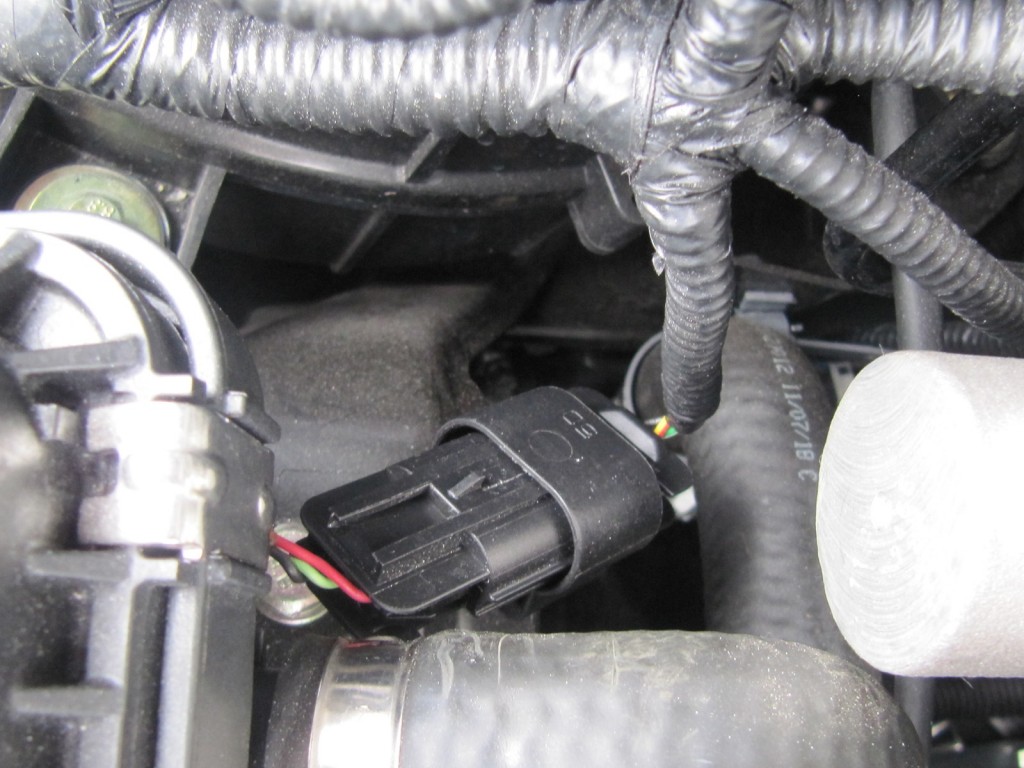
- Under the hood, several components appeared to have been hand-wrapped in black electrician's tape
- At least one plastic connector was simply suspended by the individual wire strands emerging from either end
On the other hand, the body-panel seams were consistent--if wider than best practice--and the cars mostly appeared to be screwed together fairly well.
2012 Coda Sedan
Two of the test cars clunked under some circumstances, one going over bumps and the other under abrupt power transitions on or off the accelerator.
Coda's wish list
To be fair, most of these items are fixable, and individually, none of them are likely to be dealbreakers.
But together, they add up to underline the impression that Coda needs to continue its development work--and the enormity of the effort required to build a truly competitive car in today's world of high consumer expectations.
We hope Coda will aggressively update and modify its car to address them as it ramps up production beyond the 300 or so cars it's built so far.
Coda product planner Aaron Cohen said the company was aware of all these items, and has a "wish list" of upgrades it hopes to pursue.
6.6-kW charger, 6 airbags
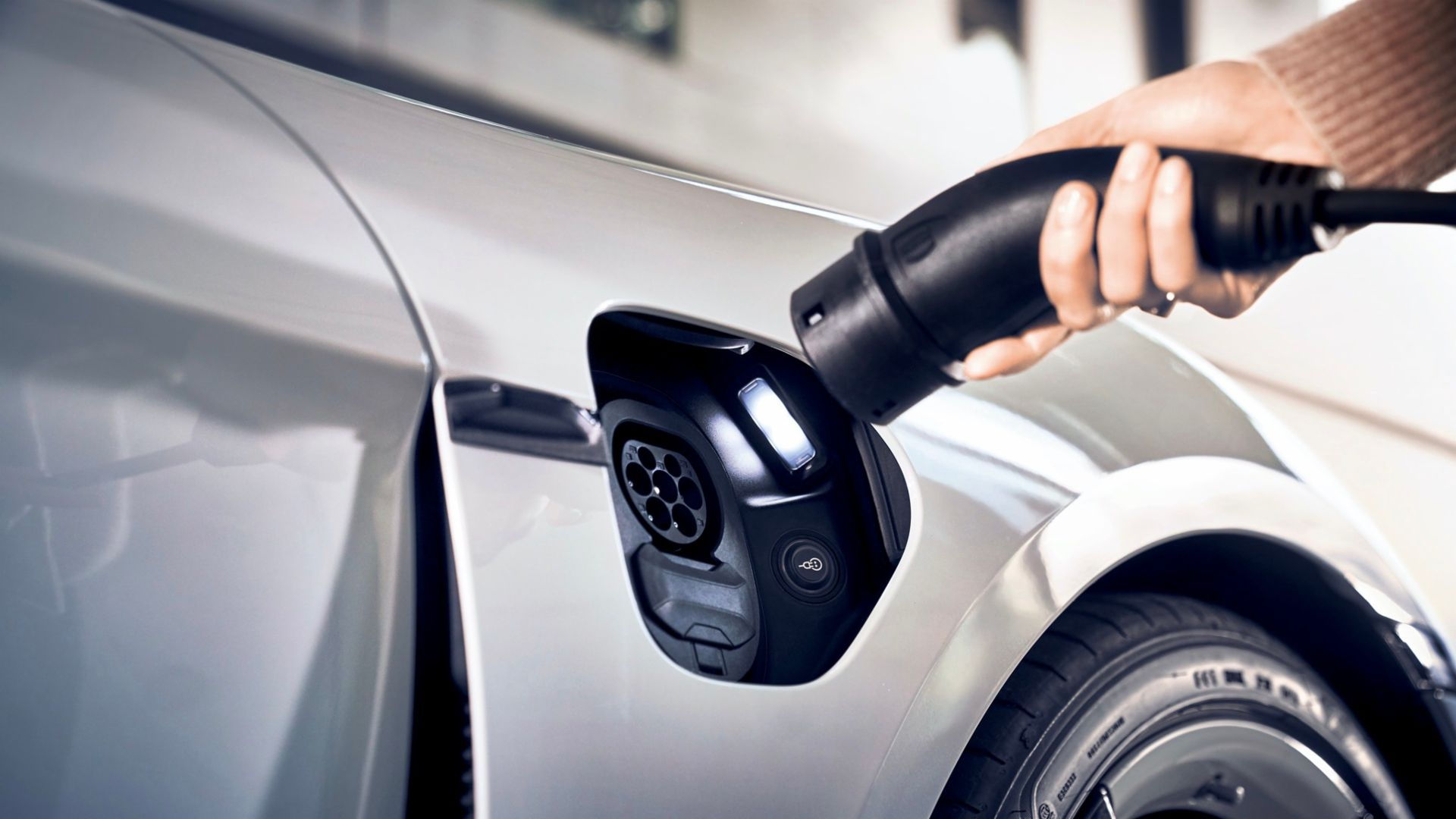
The company should be complimented, by the way, for fitting a 6.6-kilowatt onboard charger.
With a 40-Amp 240-Volt Level 2 charger, the large battery can be completed recharged in 5 hours; the more common 30-Amp Level 2 charging station will take about 6 hours for a full refill.
2012 Coda Sedan
So far, among mass-market plug-in cars, only the Coda Sedan and the Ford Focus Electric come standard with 6.6-kW chargers.
The 2012 Coda Sedan has not been crash-tested by either the NHTSA or IIHS, but it has relatively simple safety equipment.
It comes with six airbags (front and side bags for the front passengers, plus side-curtain bags for outboard passengers in the front and rear seats), along with electronic stability control, anti-lock brakes, and a tire-pressure monitoring system.
Good vision from inside
The outward vision is good, especially the rear three-quarter view over the driver's right shoulder, though we found the door mirrors a little small.
The base price of a 2012 Coda Sedan electric car is $37,250, plus a mandatory $895 delivery fee, for a bottom line of $38,145. $39,900. Although the company hasn't publicized it--there is no bargaining at dealers. Buyers pay the listed price, plus sales tax.
The all-electric Coda Sedan qualifies for a $7,500 Federal income-tax credit, and for a $2,500 purchase rebate in California, as well as single-occupant access to that state's High Occupancy Vehicle (HOV) or carpool lanes.
Coda provided airfare, lodging, and meals to enable High Gear Media to bring you this first-person drive report.
+++++++++++