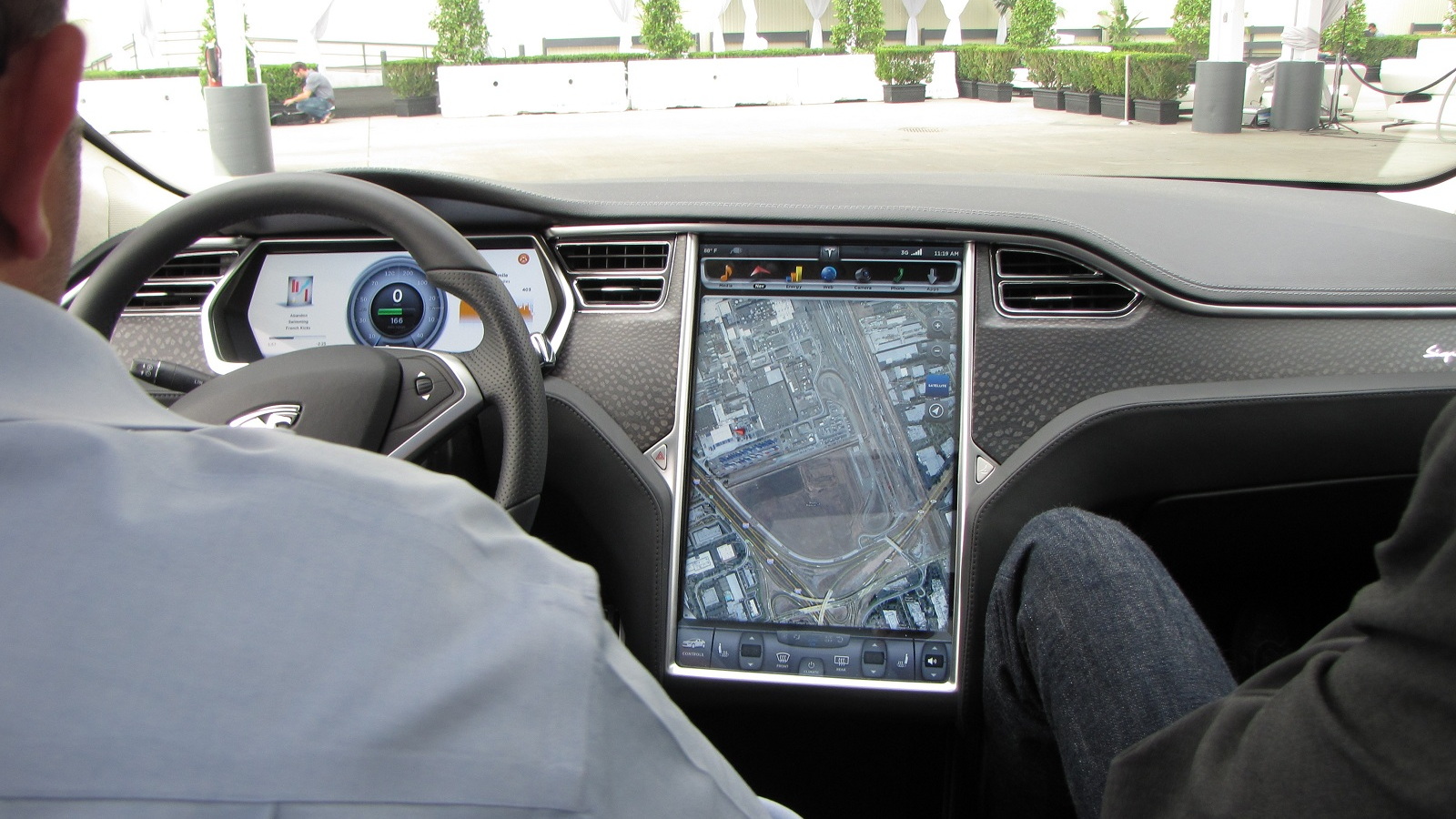
At last, my number's been called.
As the holder of reservation number P 717 for a 2012 Tesla Model S, I've waited more than three years after putting down a $5,000 deposit on the sleek, all-electric sport sedan.
Since then, Tesla has kept my interest percolating with e-mail updates and promotional swag, including a coffee mug, a T-shirt, and a remote-control Roadster model.
But last month came the news I'd been waiting for: my production slot has been scheduled, and it was time to place my order and specify the color, battery size, and options I wanted. Delivery is slated for November or December.
The ordering process I've just gone through spotlights the ways in which the Tesla car-buying experience differs from the traditional one.
Tesla Motors [NSDQ:TSLA] has no franchised dealers, but rather a network of factory-owned retail "stores," typically located in high-end shopping districts and malls. (Their resemblance to Apple stores is no coincidence; Tesla hired George Blankenship, the guy who led the design and placement of the Apple stores.)

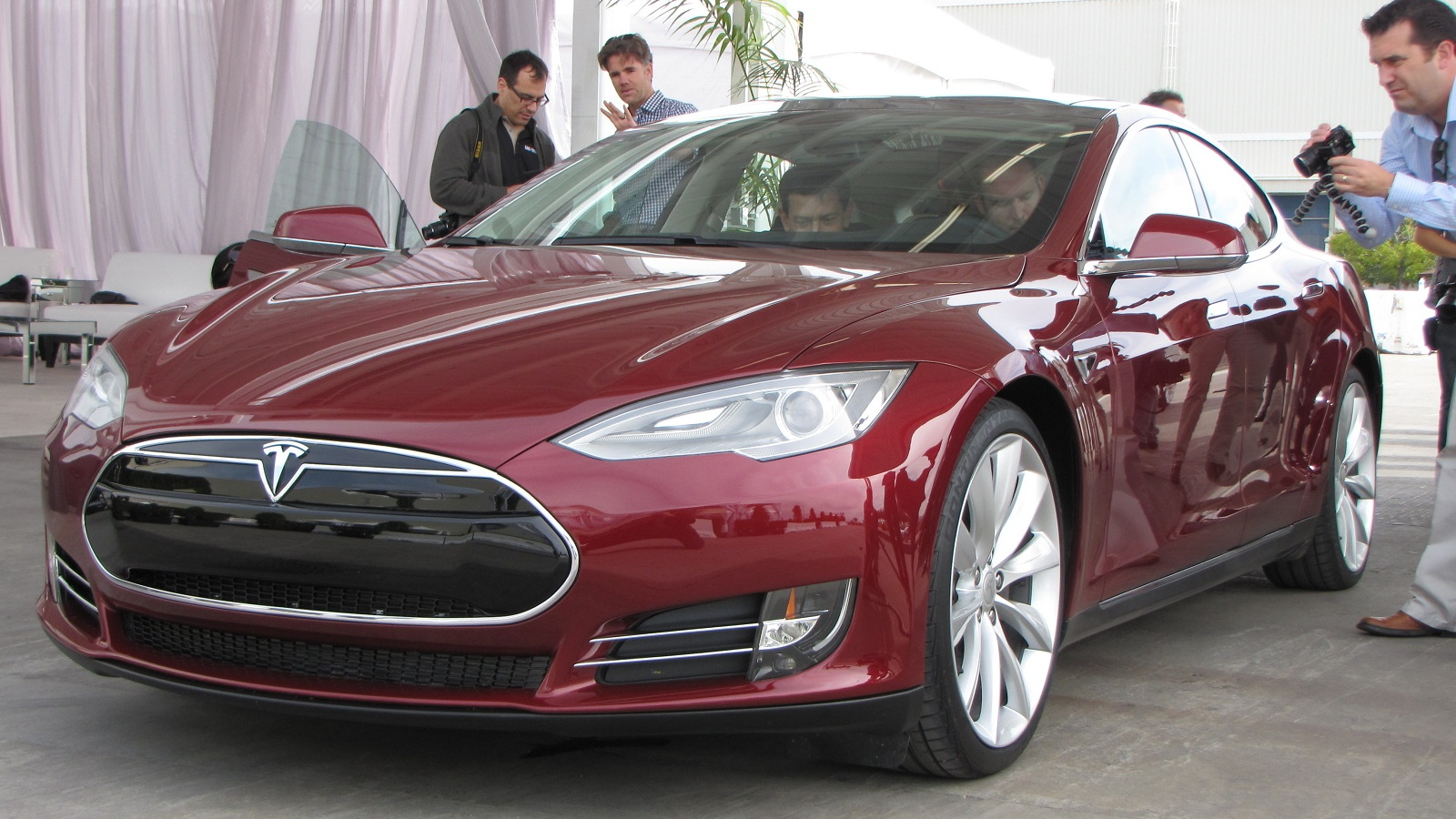
Introductory presentation at 2012 Tesla Model S
Tesla's vehicle service centers will be separate from the stores.
The primary purpose of the stores is to introduce casual passers-by to the Tesla brand, educate them about the cars, and direct them to the company website. The sale and delivery are handled on-line from company headquarters in Palo Alto.
In my case, the stores played no role in my buying decision; I was hooked long before the first Tesla store even opened.
With the arrival of the "It's Time to Build Your Model S" e-mail, I had 30 days to finalize my order without losing my place in the queue. I went to the online configurator, selected my colors and options, filled out some basic personal info, and pressed the send button.
After a couple of phone conversations with a young, helpful Tesla product specialist to smooth out some online bumps, I signed a Pre-Delivery Motor Vehicle Purchase Agreement.
And that's where it stands today.
Based on my experience so far, the Tesla system has its pros and cons. Among the pros:
Less sales pressure. A lot of people hate dealing with car salesmen, who have an often-deserved reputation for deception and high-pressure sales tactics.
For these buyers, the online sales approach will be a welcome relief. (Although Nissan has ended its attempt to sell the Leaf this way, handing the car over to dealers to sell conventionally.)
It's possible to buy a Model S without ever setting foot in a Tesla store. Based on the two stores I've visited, if you decide to visit one, the atmosphere will be friendly and low-key--offering info displays, interactive design-your-Tesla screens, and samples of interior fabrics and colors.
There will also be an actual car or two. But the prime role of Tesla store representatives is to educate the customer, not to close the deal. No surprise; they don't get commissions on the cars they help sell.
No price haggling. The price you see on the screen is the price you pay. Again, for people who hate the traditional car-buying process, this is a welcome relief.

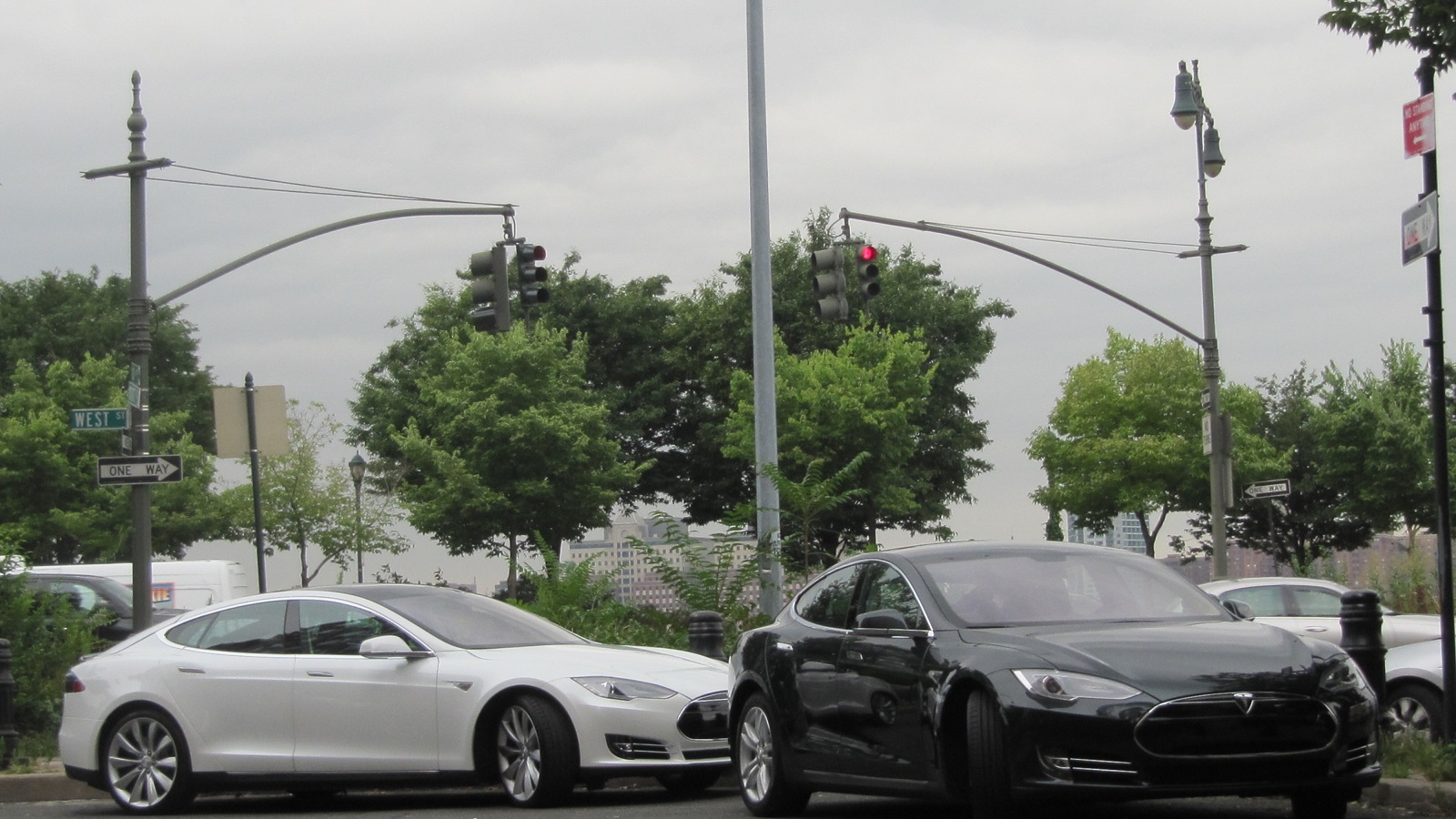
Six 2012 Tesla Model S cars at
Delivery to your door. A Tesla rep will deliver the car to a location of your choice. I'm specifying my own driveway, but one early customer reportedly asked that his car be delivered to Disneyland. "Wherever makes you smile," says Blankenship.
However, based on my experience so far, there are also some downsides to the Tesla system:
Not enough cars to look at. Two big decisions I had to make were the exterior body color and the interior style and color. Tesla's online and in-store configurator shows a pretty picture of a car in any available color, and with any of the various interiors. But a picture on a screen is a long way from the real car.

2012 Tesla Model S beta vehicle, Fremont, CA, October 2011
The two Tesla stores near me each had only a couple of cars, in colors that were either unavailable or of no interest to me. None of the cars on display had a production interior. (Eventually the stores will have production cars on display--but only a few.)
So I had no choice but to pick my color and interior without ever seeing them in a real car. I'm not particularly happy about that.
No trade-in. Instead of taking trade-ins, Tesla forged an agreement with an as-yet-unnamed nationwide company that buys cars for cash. If you want to "trade in" your old car for a Model S, Tesla will put you in touch with the cash-for-cars outfit--and you make your own deal with them.
Limited test drives. With only a handful of cars available at each store, customers may not be able to test-drive the configuration they want. The Model S, for example, offers four different power levels and two suspension choices.
No price haggling. Some people just hate paying retail. Buyers who enjoy beating a salesman down to a rock-bottom price will have to grit their teeth and pay the sticker price.
+++++++++++
For three years, I've been telling people my 2012 Tesla Model S would cost $49,000 (approximating the base price of $57,400 minus the $7,500 Federal tax credit).
But "options creep" and sales tax bumped up the final number on the check I'll be writing to more than (gulp) $70,000. I won't realize the tax credit until next April 15.
The big option bombshell was my move up to the mid-size 60-kWh battery, at a cost of $10,000.

2012 Tesla Model S beta vehicle, Fremont, CA, October 2011
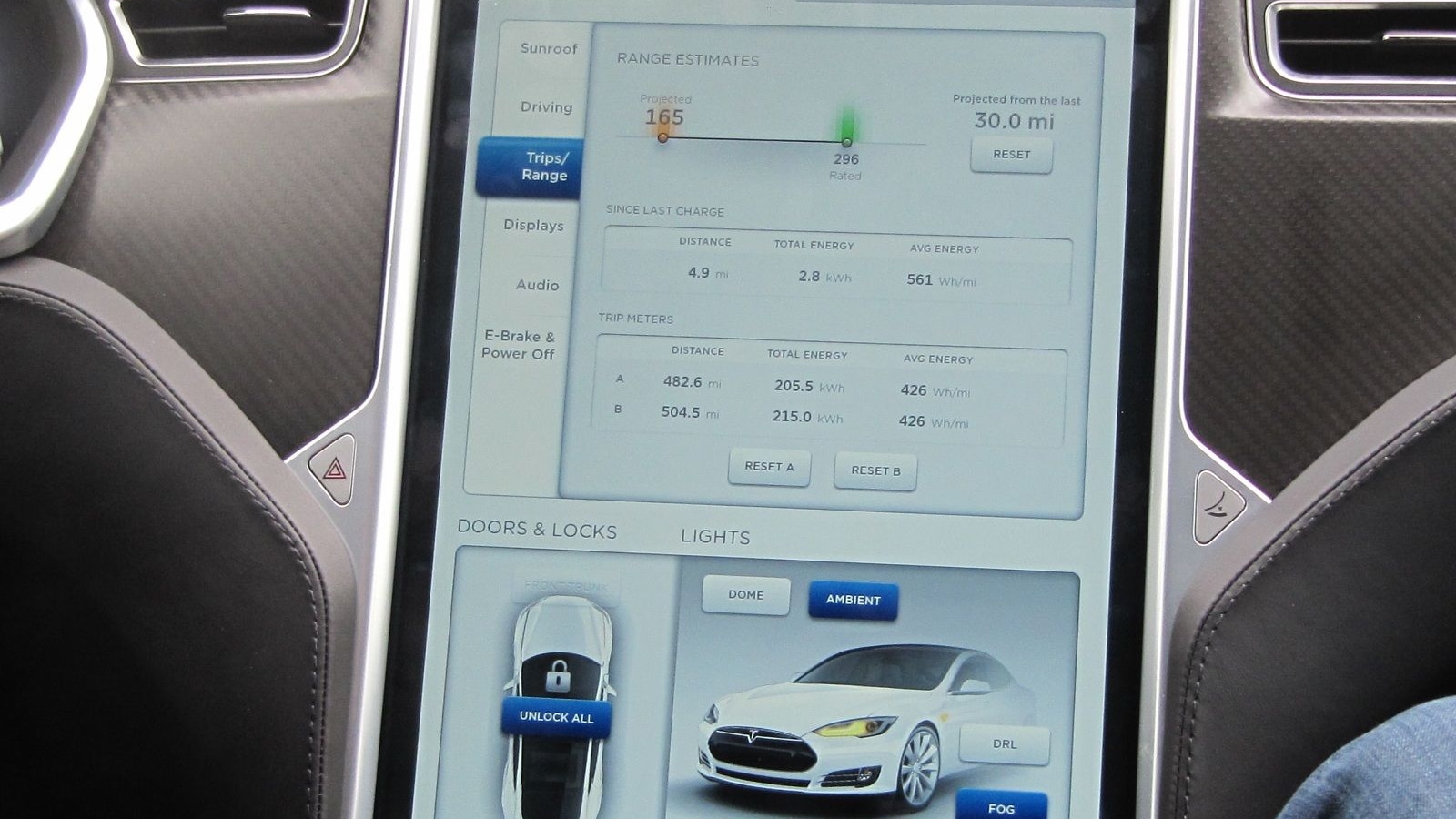
My Model S has to be able to make it from my home in upstate New York to New York City and back, about 120 miles. At first I assumed the base 40-kWh battery, with a listed range of 160 miles, would do the trick.
But after watching the electric range of my Chevrolet Volt drop by 40 percent when the temperature fell to the teens, I began to doubt that the Model S would have sufficient winter legs for the NYC trip.
Tesla CEO Elon Musk told me he expects the winter range loss to be "closer to 20 percent than 40 percent." That would put me at 128 miles, right on the bubble. But Tesla has no hard data on range loss in cold weather at the moment.
Faced with this uncertainty, I felt I had no choice but to go with the bigger battery. Yeah, it's a lot of money for a little peace of mind. But presumably I'll get some of that extra cost back in added value when I eventually sell or trade it.
Air suspension is a $1500 "option" that's mandatory on all cars delivered before 2013. Not willing to delay delivery to trade down, I had to check the box.
2012 Tesla Model S beta vehicle, Fremont, CA, October 2011
Only two body colors--white and black--are available at the base price.
Not fond of either color, I opted to spring for an extra $750 for metallic dark green paint. I'm hoping it's something like the British Racing Green I remember on my Dad's MG many years ago.
Having already spent $12,250 on options, I figured $1,500 more for a leather interior would hardly matter. (I know, I know.....)
At least I had the willpower to forgo the 21-inch wheels, moon roof, high-tech package, and super sound system.
The total came to $71,150. Add in a delivery fee ($990), inspection, prep, and coordination ($180), sales tax ($5,876), and registration fees ($157.50), then subtract the $5,000 deposit I putdown three years ago, and the final number on the check will be $73,357.
Holy crap.
Will the car be worth it? Stay tuned.
David Noland is a Tesla Model S reservation holder and freelance writer who lives north of New York City. This is his fourth article for High Gear Media.
+++++++++++