Let's face it: political discourse in the U.S. isn't very pretty. It's generally a matter of two large parties -- each backed by an army of fundraisers, copywriters, and statisticians -- shouting at each other in front of sympathetic audiences.
Over the past couple of decades, the situation seems to have gotten worse, though that's probably because we've entered the age of the 24-hour news cycle, and pundits have to speak shrilly to get heard.
As a result of the country's increasingly partisan atmosphere, most Americans have taken sides. It's very rare to find true "independent" voters these days, much less those who are "undecided".
There are, however, a handful of states in which the left and the right balance out, making them key battleground areas. The number is small -- CNN sees nine such states, the Huffington Post sees six -- but the way in which they vote will determine the coming U.S. presidential race.
And according to at least one news source, a key issue in those states is renewable energy.
Energy and the election
Energy reporter Phil Zahodiakin points out that although issues like Medicare and job creation will remain front-and-center in the campaign, energy production is a very hot topic -- particularly in swing states like Iowa.
Wind, for example, is increasingly big business in the state. In fact, it's so big that Iowa's Republican Senator Chuck Grassley has pushed long and hard for a wind-energy tax credit extension heavily supported by President Obama. That's put him in direct opposition to Governor Romney, who's said that he would like to see the credit eliminated.
Zahodiakin points out two reasons that the public could be paying more attention to such energy policy discussions than they have in previous years:
1. The unusually warm winter and record-breaking summer -- not to mention the recent fires, thunderstorms, and ongoing droughts -- have made average Americans think more about the hazards of climate change. Although we're as quick as anyone to point out that "weather" and "climate" are two very different things, the current meteorologic anomalies have forced people to consider the "what ifs".
2. Moreover, oil and gas production is surging in the U.S. In fact, as we pointed out several months ago, America has become a net gasoline exporter. And yet, prices at the pump remain high and imports from Saudi Arabia are growing again. While some on the right will undoubtedly point to that as a reason for greater oil production, others will argue that no amount of drilling can pull us out of the current crisis and that we need to prioritize alternative energy production.
Given our focus here at GCR, we would add a third item to Zahodiakin's list: the increasing visibility of hybrid and electric cars.

2011 Chevrolet Volt plugged into Coulomb Technologies 240V wall charging unit
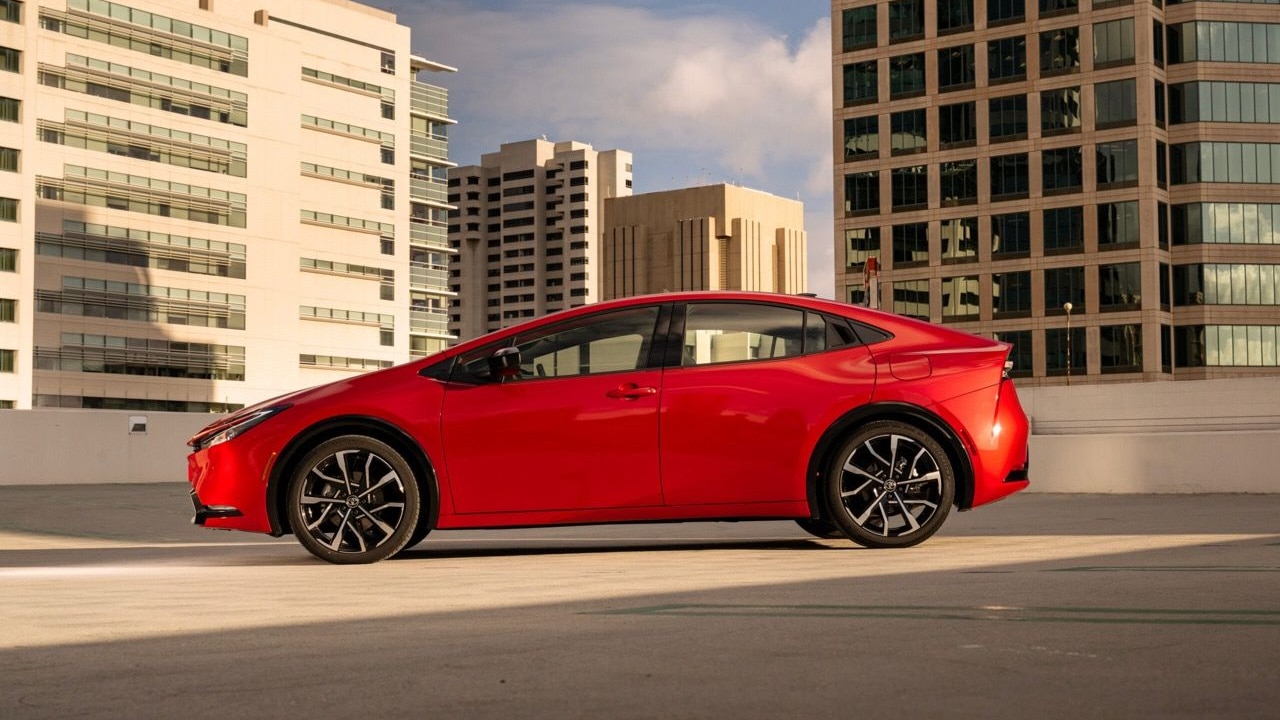
Though not at the forefront of today's presidential debates, we believe that growing popularity of hybrid models like the Toyota Prius, the introduction of fully electric models like the Nissan Leaf, and clever vehicles like the Chevrolet Volt (which sits just between the two), have changed American minds about the future of transportation.
Once upon a time, the idea of an electric car -- or even a partially electric one -- might've seemed far-fetched to the average citizen. And while most Americans aren't ready to make the jump just yet, it's hard to deny that electric vehicle technology is here, and it's making rapid advances.
Putting aside arguments about the dirty sources of electricity, this may have a subtle effect on U.S. opinions about energy conservation. The idea of vehicles that depend on electricity as much or more than they do fossil fuels could make voters more interested in alternative energy resources like wind and solar -- not to mention the politicians who support them.
That goes double in states like Iowa, where wind energy is becoming a growth industry and where a presidential election hangs in the balance.
Do you think renewable energy (and alternative-fuel vehicles) could influence the upcoming election?
Leave us your thoughts in the Comments below.
+++++++++++