

Electric cars of various types are often grouped as "plug-in cars," but recharging the battery pack doesn't always require an actual plug.
Wireless charging, in which the car is positioned over a charging pad on the floor of a garage, is sometimes touted as a technology that will ease the adoption of electric cars by eliminating the unpleasant need to plug the car into a charging station.
We're not sure we're convinced--a charging cable is usually nice and clean compared to your average gasoline hose--but there's a lot of activity in wireless charging nonetheless.
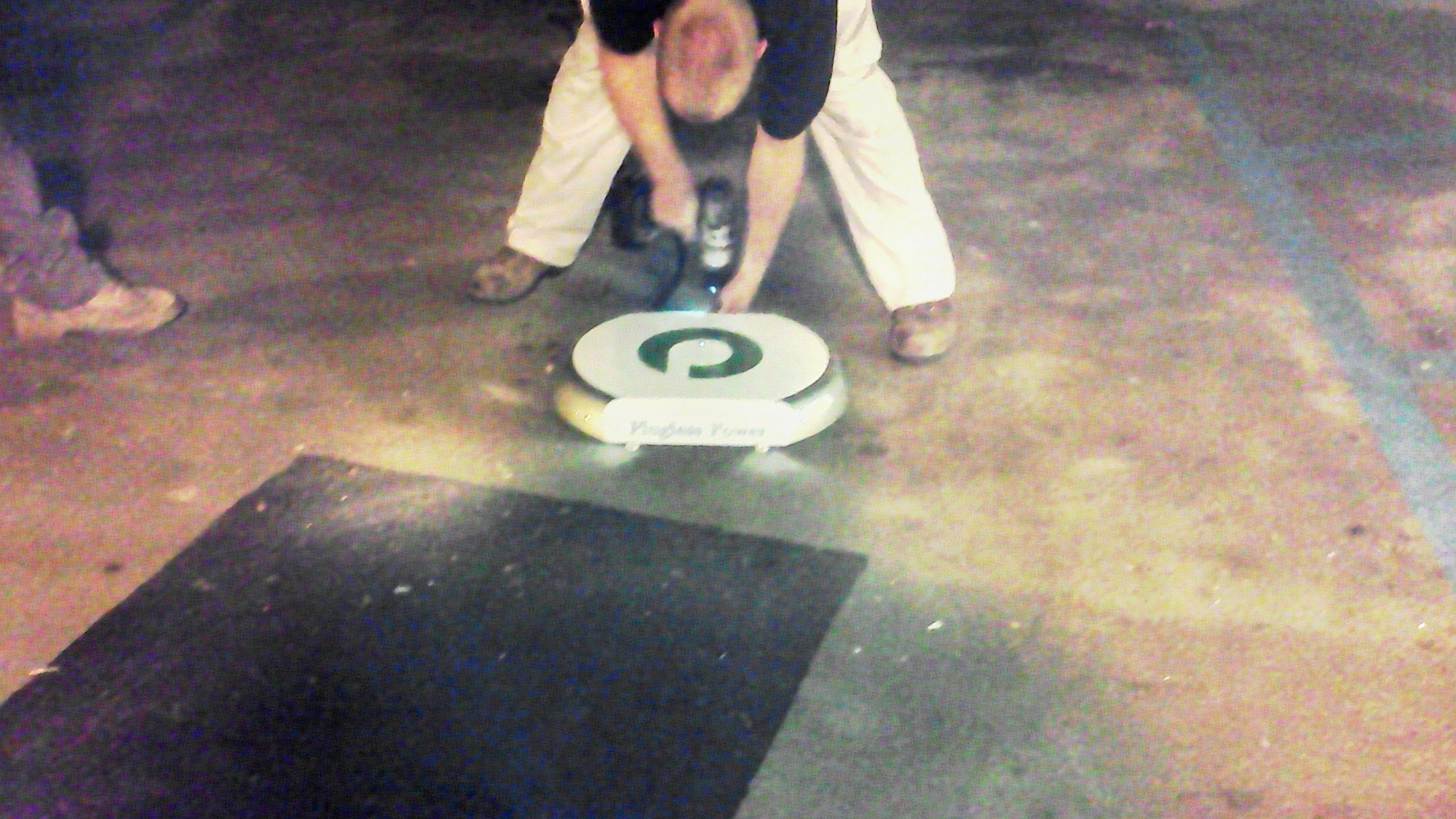
Hertz, the car rental agency, is expanding its electric-car rental program by starting to experiment with wireless battery charging. Last Friday, it installed its first wireless-charging unit in the garage at its Park Ridge, New Jersey, headquarters.
The goal is to test the unit internally and gather feedback on well it works in everyday use. Users will give feedback on daily usage, their charging routines, the interfaces, and any new functions they feel should be added. Five other companies will take part in separate trials along the same lines as well.
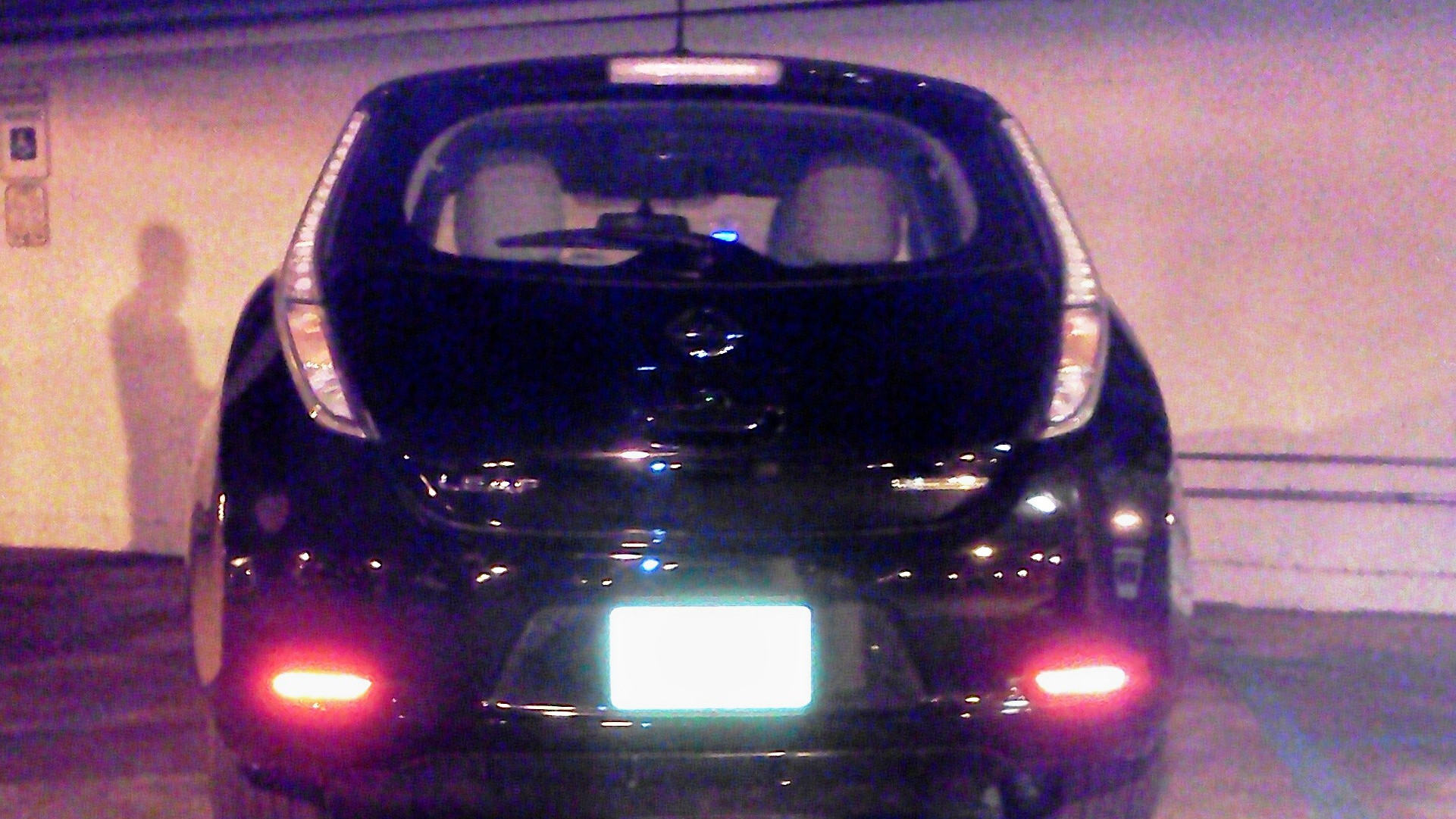
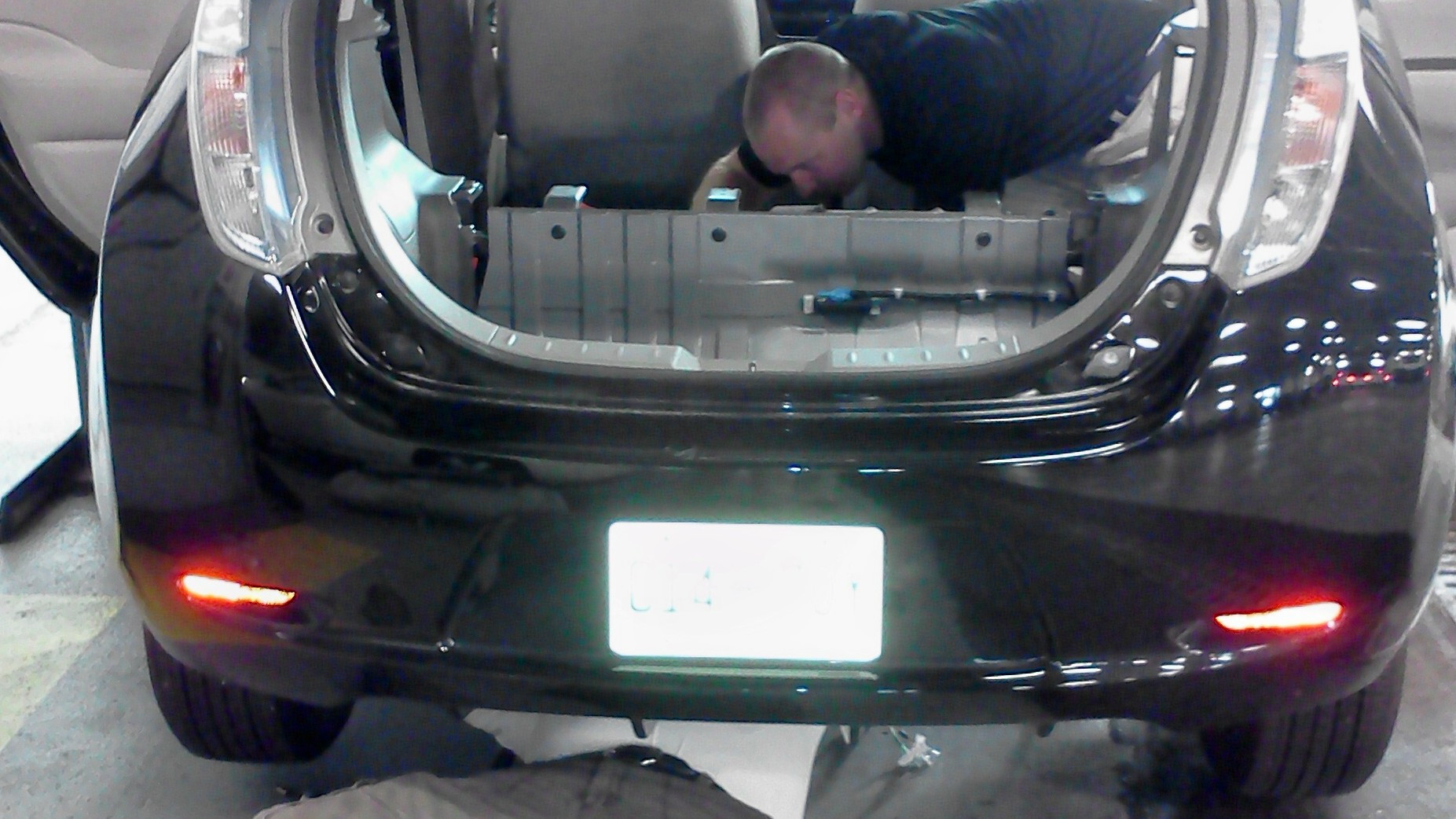
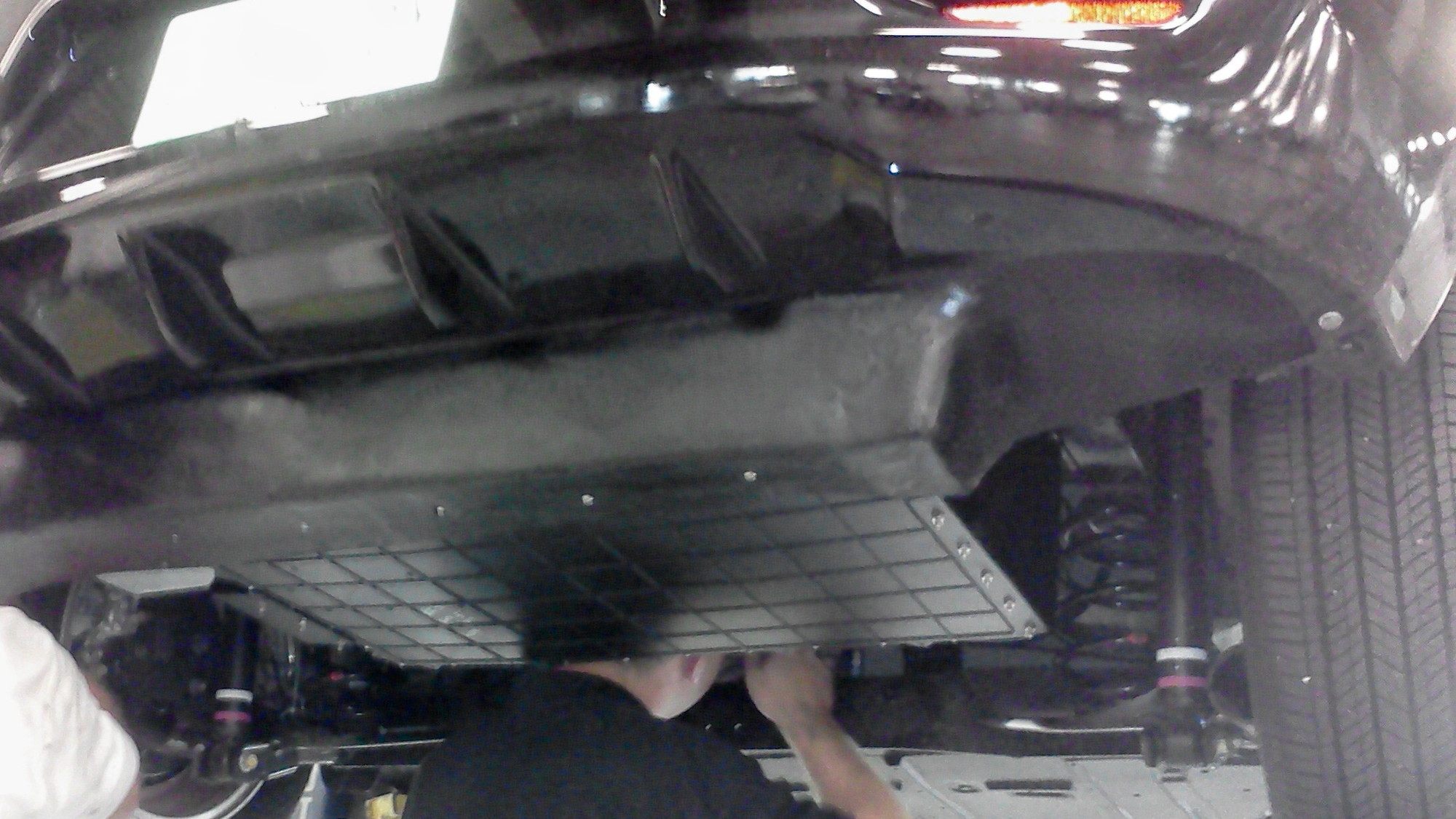
Hertz sent us photos of the installation process, which took about six hours. They're snapshots--the quality isn't the highest--but they give a good idea of the adaptations required to the Nissan Leaf electric car to fit the receiving end of the Plugless Power system Hertz chose.

2012 Infiniti LE Concept
They also show the Plugless Power system (from Evatran, Wyetheville, Virginia) mounted on the garage wall, plugged into a 240-Volt outlet, and the installation of the garage-floor charging pad over which the car must be positioned to recharge.
Note that the power conduit for the charging pad has to be trenched into the concrete garage floor. That potentially makes installation messier and adds an extra step to what's required to install a conventional charging station on the wall.
At the recent New York Auto Show, the Infiniti LE concept--which previews a four-door electric luxury sedan that will go into production two years from now--was shown with a wireless charging system.
The clever angle there was that the Infiniti's self-parking system would let the car position itself precisely over the charging pad without the need for the driver to make such fine adjustments.
Would you adopt wireless charging for your own electric car (if you had one)? Or is a conventional cable-and-plug-handle setup good enough?
Leave us your thoughts in the Comments below.
+++++++++++