While the popularity of electric cars grows, it's reassuring to know that it isn't only the automakers that are committed to the concept.
General Electric Chairman and CEO Jeff Immelt has confirmed that the company will continue to back EVs, even if initial sales haven't been as high as many hoped.
Detroit News reports that in a keynote speech at the annual SAE World Congress, Immelt said that for every dollar invested in electric vehicles, "GE has 10 cents of content."
GE, like most companies investing in electric cars, understands that adoption is a long-term process, and for many consumers the vehicles don't yet fit into their lifestyle.
Instead, the challenge is in the near-term. That, says Immelt, is going to be all about cost.
Electric cars are more expensive than their combustion-engined equivalents, usually by around $10,000. Even with state and federal incentives, they're often more expensive to buy than other vehicles.
However, as the price of gas rises, the price of vehicle batteries falls and fuel efficiency targets make regular vehicles more expensive to produce, that gap is likely to close.
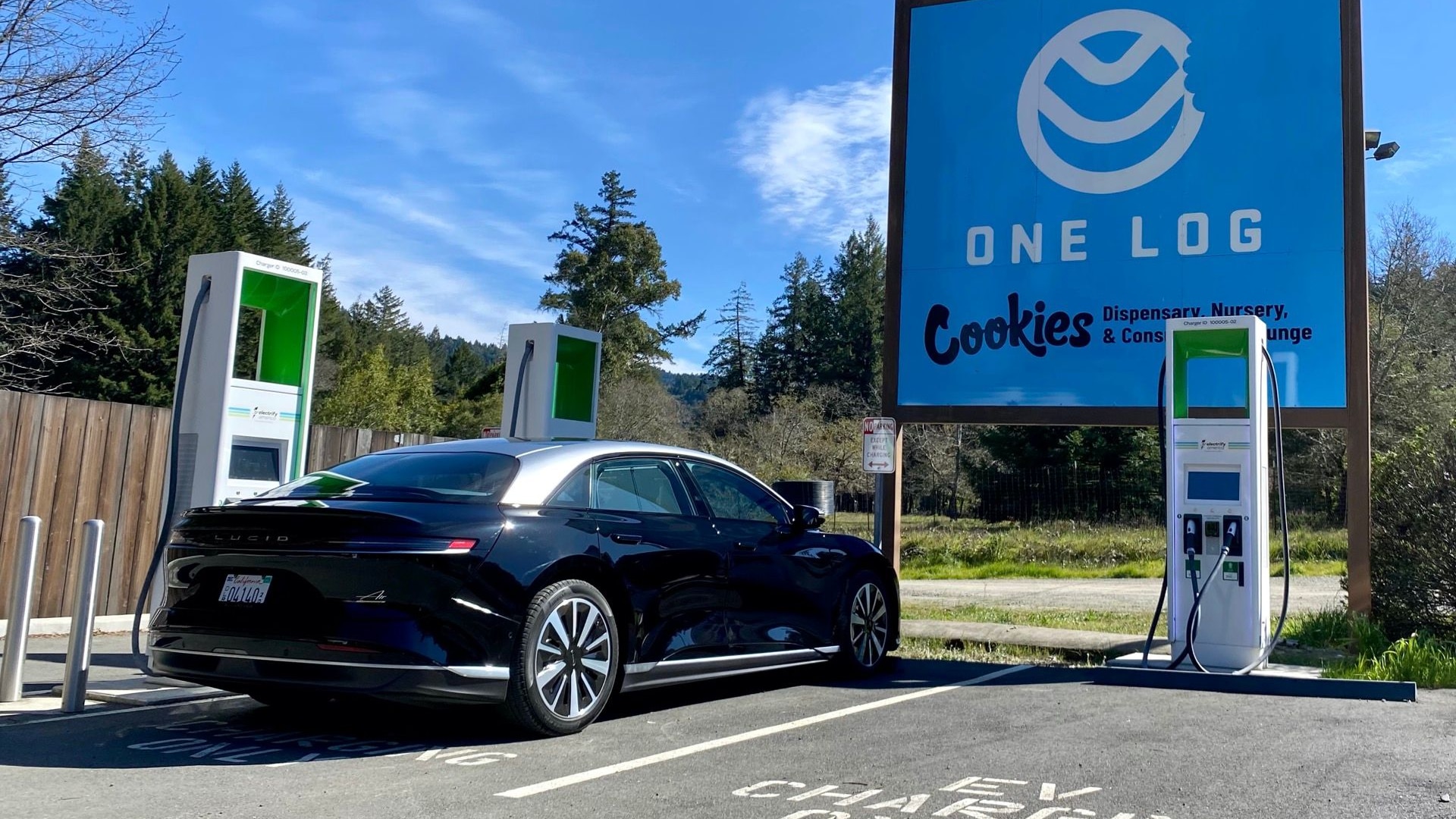
Electric companies are confident that even with widespread adoption, they'll be able to handle the extra load on the grid. Electric vehicle recharging increases an individual's electricity use by around 25 percent per year. Even with five million electric cars on the roads, total electricity use would only increase by half a percent.
GE has contributed significantly to electric vehicle sales, and is committed to buying even more. The firm has pledged to buy 25,000 EVs in total, 12,000 of which will be U.S.-made Chevrolet Volts. GE has purchased 1,000 Volts so far--around one in thirteen of all the Volts sold since the car's launch.
GE spokesman Andrew Williams confirms that the company is looking at other electric vehicles too, including those from Ford, Nissan and Mitsubishi.
That commitment should provide a welcome boost to the industry in these first few years--and with several more car manufacturers releasing electric cars in the near future, adoption should really begin to gather pace.
+++++++++++