![Renault Fluence ZE electric cars in Israel, provided by Better Place [photo: Better Place]](https://cimg3.ibsrv.net/ibimg/hgm/960x540-1/100/388/renault-fluence-ze-electric-cars-in-israel-provided-by-better-place-photo-better-place_100388163.jpg)
![Renault Fluence ZE electric cars in Israel, provided by Better Place [photo: Better Place]](https://cimg1.ibsrv.net/ibimg/hgm/960x540-1/100/388/renault-fluence-ze-electric-cars-in-israel-provided-by-better-place-photo-better-place_100388165.jpg)
![Renault Fluence ZE electric cars in Israel, provided by Better Place [photo: Better Place]](https://cimg0.ibsrv.net/ibimg/hgm/960x540-1/100/388/renault-fluence-ze-electric-cars-in-israel-provided-by-better-place-photo-better-place_100388164.jpg)
![Better Place user David Rose w/keys to Renault Fluence ZE electric car in Israel [photo: David Rose]](https://cimg2.ibsrv.net/ibimg/hgm/2000x1125-1/100/388/renault-fluence-ze-electric-cars-in-israel-provided-by-better-place-photo-better-place_100388166.jpg)
![Renault Fluence ZE electric car belonging to Better Place user David Rose [photo: David Rose]](https://cimg3.ibsrv.net/ibimg/hgm/2000x1125-1/100/388/renault-fluence-ze-electric-cars-in-israel-provided-by-better-place-photo-better-place_100388167.jpg)
The electric vehicle world is watching the rollout of Better Place's electric-car network in Israel with interest, but some have asked whether Better Place has an effective monopoly on electric cars granted by the Israeli Government.
Better Place says its service and its cars compete with gasoline cars; against those, clearly it has no monopoly.
But for the foreseeable future, it appears Better Place may have the only plug-in cars on sale in Israel, and the only legally allowed electric-car charging network.
Israel is the first country in which Better Place is deploying its battery-switch and charging infrastructure nationwide.
The promise is that electric-car owners can drive long distances--beyond the electric range of their Renault Fluence ZE sedans--with interruptions of just a few minutes to swap battery packs.
But there's a catch: Anyone who wants to use an electric car can buy only one model, without a battery pack, and must subscribe to the Better Place service to make it usable. The service includes:
- lease of the battery;
- installation, maintenance and operation of a charging point at the owner's residence;
- all electricity for recharging at home and at public charge spots;
- as many 24x7 battery switches as may be needed to enable the annual mileage on the contract; and
- 24-hour breakdown recovery, plus phone service, state-of-charge monitoring, and vehicle location (roughly akin to OnStar in the U.S.).
According to my estimates, the $280 monthly subscription fee for 12,500 miles (20,000 km) a year includes $34 of electricity, $192 for the battery lease, and $54 for the rest of the service.
The sole electric car sold in Israel is Better Place's Renault Fluence ZE. The local Chevrolet importer confirmed plans to bring the Volt to Israel, but could not quote a price and gave a vague 6-to-12-month timeframe.

Israel Ministry of National Infrastructure electric- vehicle policy
Import duty is 83 percent on conventional cars, with hybrids at 53 percent. Zero-emission vehicles get only a 10-percent import tax--saving an estimated $6,000 per vehicle. The duty is already factored into the price, leading to charges that Better Place does not pass this break along to buyers in full.
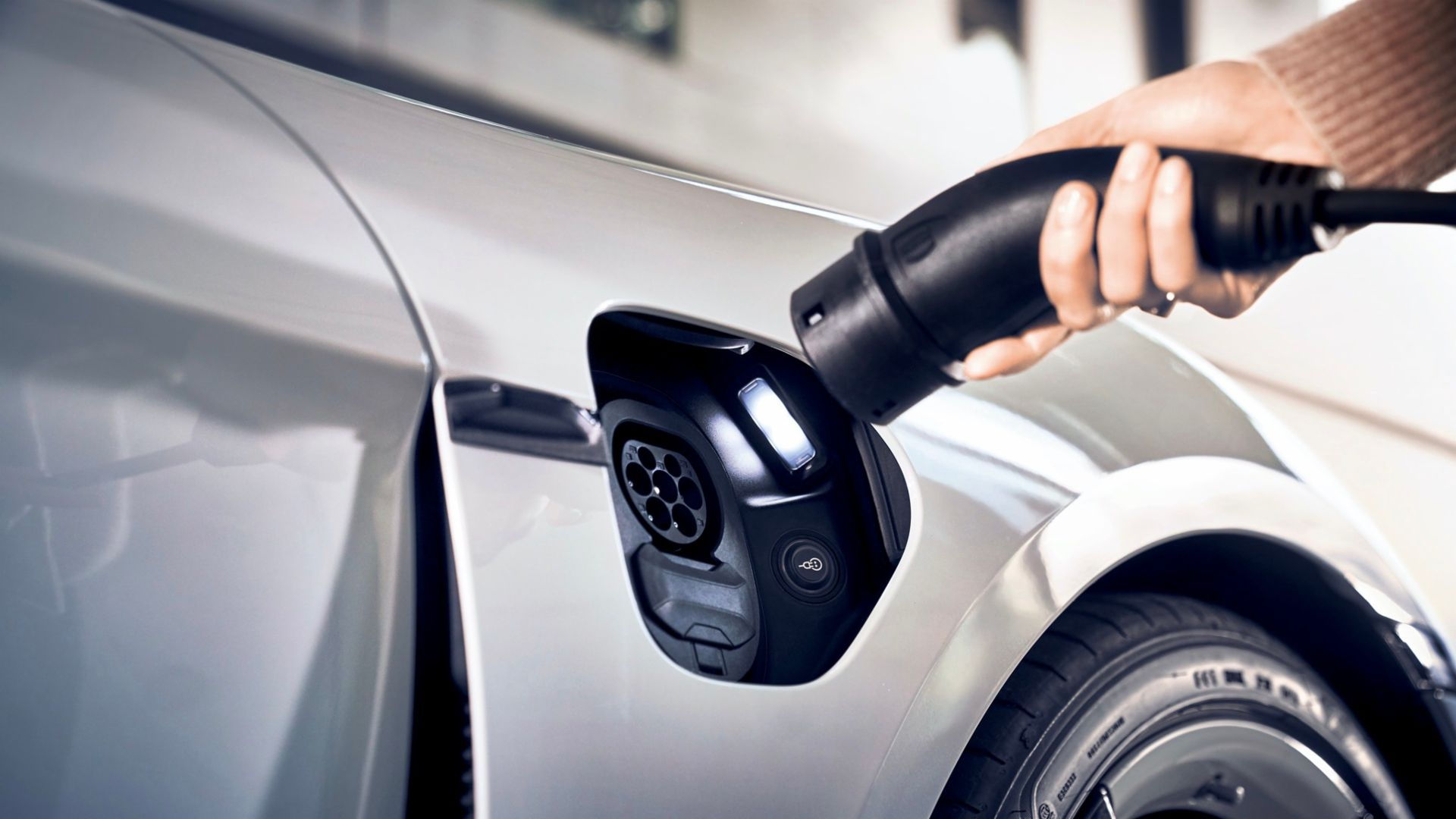
If other electric cars are imported, Israel's Ministry of National Infrastructure has ruled that owners will not legally be allowed to charge from a standard Israeli 230-Volt domestic power socket--they must contract with an approved charging-services provider.
So far, only one potential competitor for charging services has emerged: Pango Charging. I could not confirm specifics of their plans.
Shai Agassi, the well-connected founder of Better Place, has been charged in the media with negotiating the restrictions to give the company a first-mover advantage and stifle imports of other electric cars.
The Israeli Government says it has prepared for the arrival of plug-in vehicles since 2006, and wants an open market. (Its policy document is available in English from the Ministry of National Infrastructure's website.)
The policy notes the benefits of reducing the "dependency of the State of Israel on fuel," and of cutting "harm resulting from the use of fuel in private vehicles in particular."
![Renault Fluence ZE electric cars in Israel, provided by Better Place [photo: Better Place]](https://images.hgmsites.net/lrg/renault-fluence-ze-electric-cars-in-israel-provided-by-better-place-photo-better-place_100388163_l.jpg "Renault Fluence ZE electric cars in Israel, provided by Better Place [photo: Better Place]")
Renault Fluence ZE electric cars in Israel, provided by Better Place [photo: Better Place]
Unlike the U.S., Israel's power grid and generating capacity are stretched and severe disruptions to the supply of natural gas from Egypt are presently causing problems.
Policy makers believe "priority should be given to overnight charging," whereas "random charging during the day [will] require the construction of additional power stations."
The Ministry of National Infrastructure policy includes the following general principle:
1. Stringent safety requirements and minimization of electrocution risks and other harm to humans and the environment will be ensured.
In covering Better Place, the Israeli press has focused largely on the safety issues of unrestrained cables on streets and the idea that using domestic power sockets is risky.
By and large, local reporters have downplayed calls for competition and the mandate for smart charging to protect the grid--perhaps opting to avoid having to explain this complex subject.
Two more principles:
4. EV owners may enter into a contract with a charging supplier to manage the charging of their electric vehicles, but will not be obligated to do so.
12. Fair competition in the EV industry shall be maintained.
It also says the "charging supplier shall not constrain its customers from obtaining charging services from...devices not owned or managed by it," which appears to require roaming among charging services.
The policy requires easy, free cancellation terms for customers who want to end subscriptions, and bans multi-year contracts like those for mobile phones. Suppliers must also serve customers from other networks.
So, while the Israeli government policy hits all the right notes for an open market in electric cars and their charging services, the question remains: Will Better Place really face competition either in cars or charging services?
Brian Thomas ("Brian of London") emigrated from the U.K. to Israel in 2009. He has placed an order for and will soon own a Renault Fluence ZE sold through Better Place. He owns and operates his own import company in Israel with more than 15 staff. He regularly blogs at Israellycool about life in Israel, technology and business topics.
+++++++++++
![Renault Fluence ZE electric cars in Israel, provided by Better Place [photo: Better Place]](https://cimg2.ibsrv.net/ibimg/hgm/1600x900-1/100/388/renault-fluence-ze-electric-cars-in-israel-provided-by-better-place-photo-better-place_100388162.jpg)