You'd think that $100 million of electric-car charging stations in California would be a good thing, right?
While an agreement announced last month may disturb California utility customers--the injured parties whose high power bills led to the deal--the state's electric-car drivers may benefit from their pain.
Even plug-in drivers, though, should be aware of certain deal provisions.
Positive reactions, but...
Reactions were generally positive to Governor Brown's announcement that the state would get $100 million in charging-station installations as part of the settlement of a long-running lawsuit over electric-rate price fixing in 2000.
Plug-In America issued an approving press release, as did the Union of Concerned Scientists.
Since then, two people in the electric-car world expressed their concerns to us. Neither was willing to be identified, since they are involved with the companies, politicians, and organizations that negotiated the deal.
Our sources said their concerns were based on deal language they'd seen; we have not independently reviewed it, since it hasn't been made public.
They were pessimistic that the parties would accept substantial changes to the terms before the agreement becomes a binding contract.
DC fast-charge & Level 2 charging stations
In March, the state and its Public Utilities Commission agreed to settle claims against NRG Energy Inc. over the pricing of long-term power contracts signed in March 2001 with Dynergy power plants now owned by NRG.
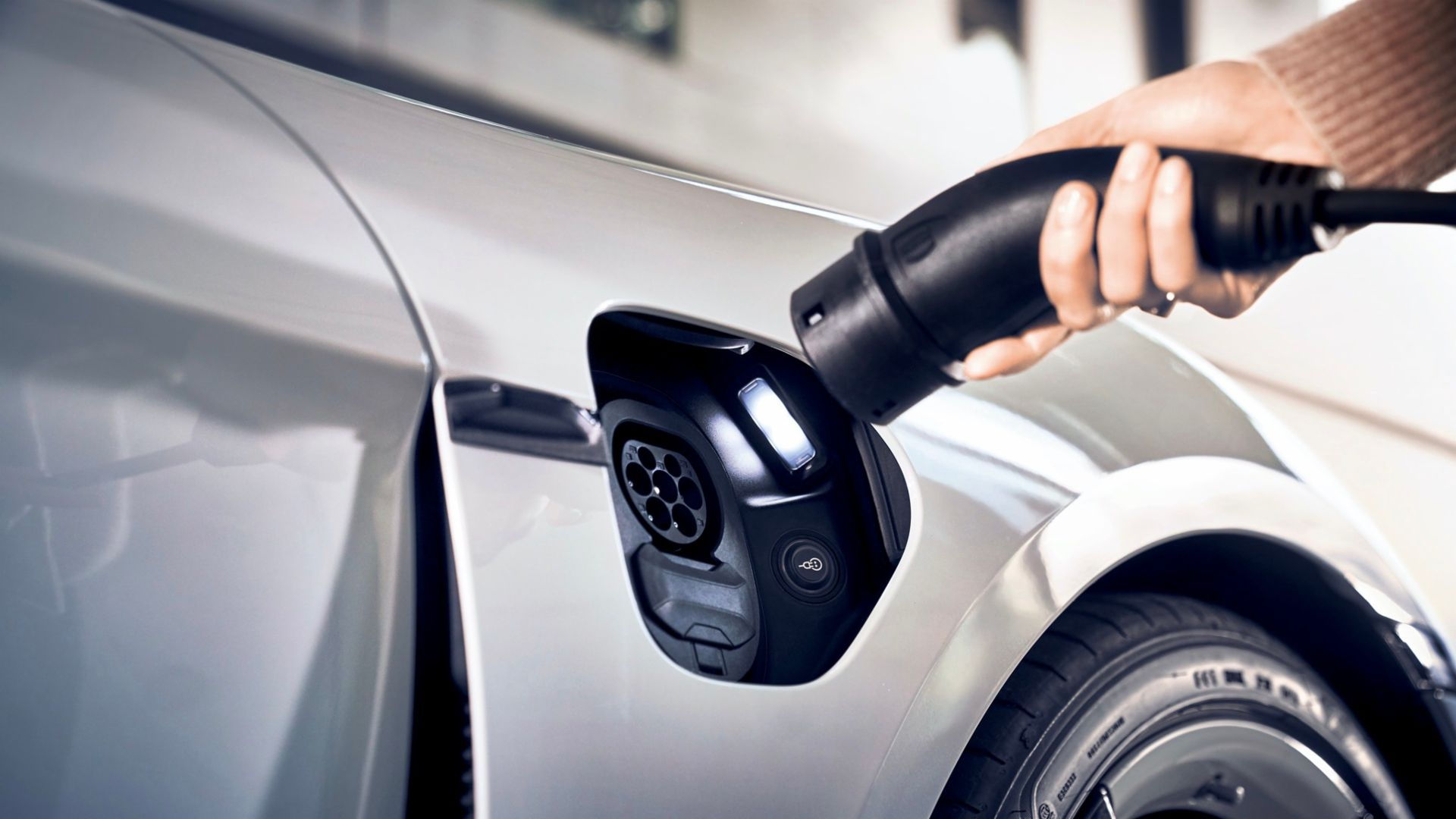
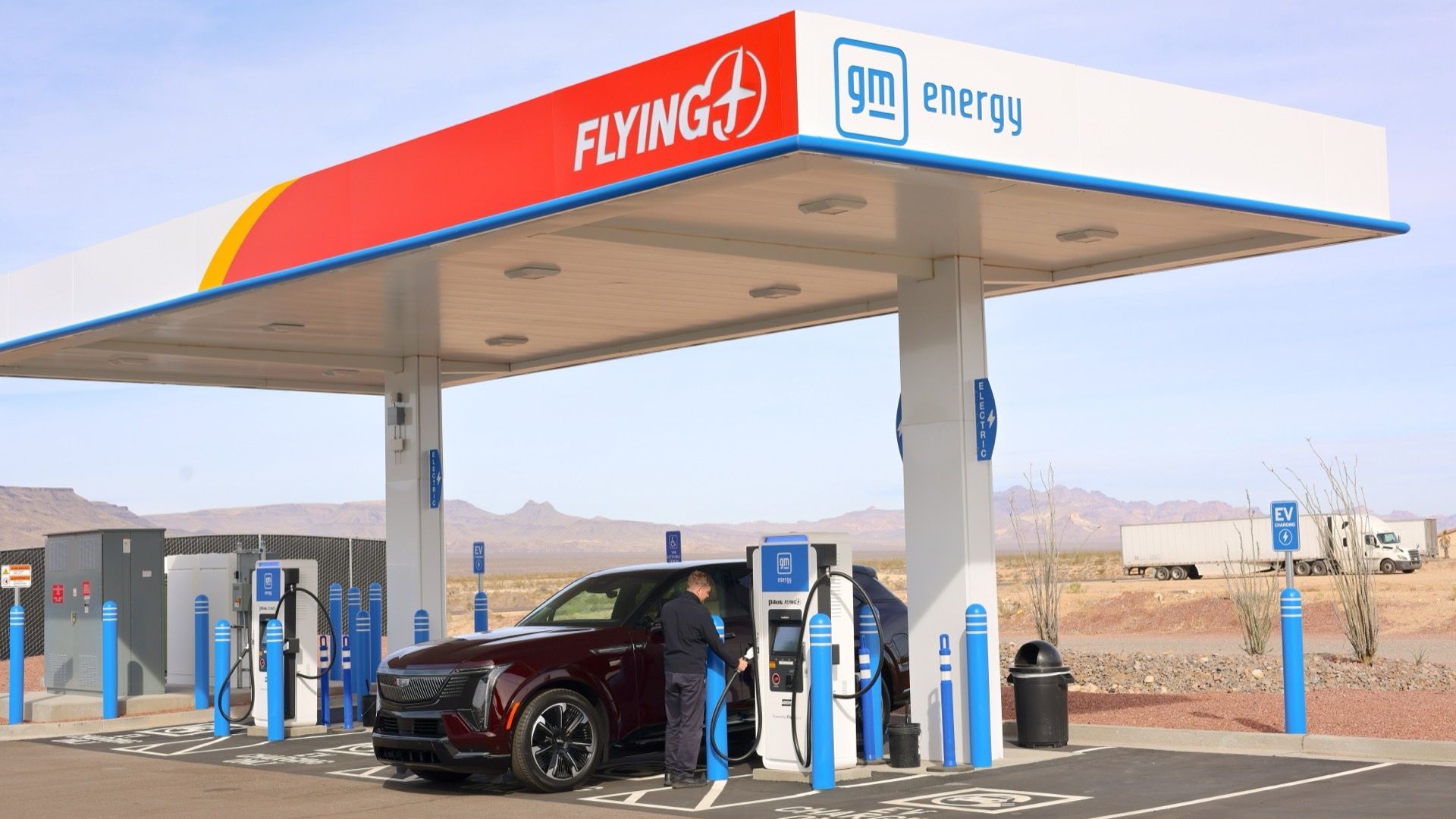
Of the $120 million settlement, $100 million will fund installation of 200 public DC fast-charging stations plus "make-ready" wiring and location work for charging outlets at 1,000 hard-to-serve locations across California.
The fast-charging stations will be installed in the San Francisco Bay Area, the San Joaquin Valley, the greater Los Angeles area, and various locations in San Diego County.
The result will be to encourage consumer adoption of plug-in electric vehicles, the state says, helping to achieve California's clean-air goals--including 1.5 million zero-emission vehicles by 2025 on state roads.
The remaining $20 million--just one-sixth of the settlement--goes to rate relief for customers of three electric utilities in the state. They will get less than $10 apiece.
Good for electric-car drivers, but...

2012 Chevrolet Volt
All of our sources said they considered the general outlines of the deal to be positive for current and future electric-car owners. But several facets of the agreement need to be understood.
Notably, NRG is not paying California $100 million, which the state would use to fund charging station installation. Instead, NRG is doing the work itself, and the $100 million represents "in-kind" value.
Since NRG owns and operates the growing EVgo network of charging stations in Texas, this makes sense. But it's hardly punitive.
Settlement gives NRG full control--for life
But the real problems lie in the terms and language of the proposed settlement.
First, the 200 DC fast-charging stations will be owned by NRG for their entire life. That means that to settle its alleged price-fixing, NRG is building an asset it can earn money from.
Second, NRG will also hold the rights to operate the Level 2 charging stations for life. It will have 18 months to install its own hardware at locations once they're wired up, and then it will open competitive bidding for the rest.
Drivers must subscribe
Third, to use those Level 2 charging stations, electric-car drivers must become EVgo subscribers. (DC fast-charging stations will be open to all comers for five years, for a fee.)
California will not have pricing oversight for any of the stations NRG installs--though electric-car drivers, who are a savvy bunch, may not use EVgo stations they perceive as too pricey.
When we first heard the news, we too had assumed NRG would write a check to California to fund charging stations.
Instead, notes electric-car advocate Chelsea Sexton, NRG killed two birds with one stone: It settled the lawsuit by funding charging stations it had already planned to build.
If a company settles a long-running lawsuit over price-fixing, should the penalty be having to build an asset that makes money for it?
Let us know what you think in the Comments below.
+++++++++++