Until recently, most electric car drivers haven’t been expected to pay an electric equivalent of gasoline taxes to help keep the roads and bridges of their state in good order.
But earlier this month, the Washington state Senate passed a bill to the House which, if passed into law by the house, would charge electric car owners an additional $100 every year when renewing their vehicle license.
While some electric car enthusiasts are claiming the tax will discourage people from buying an electric car, the ultra-high gasoline tax in Washington state means that even with the additional $100 a year tax, electric car drivers will pay a lower tax rate.
We’ll explain.
WIth a tax rate of 37.5 cents per gallon, the state of Washington has one of the highest gas taxes in the U.S.
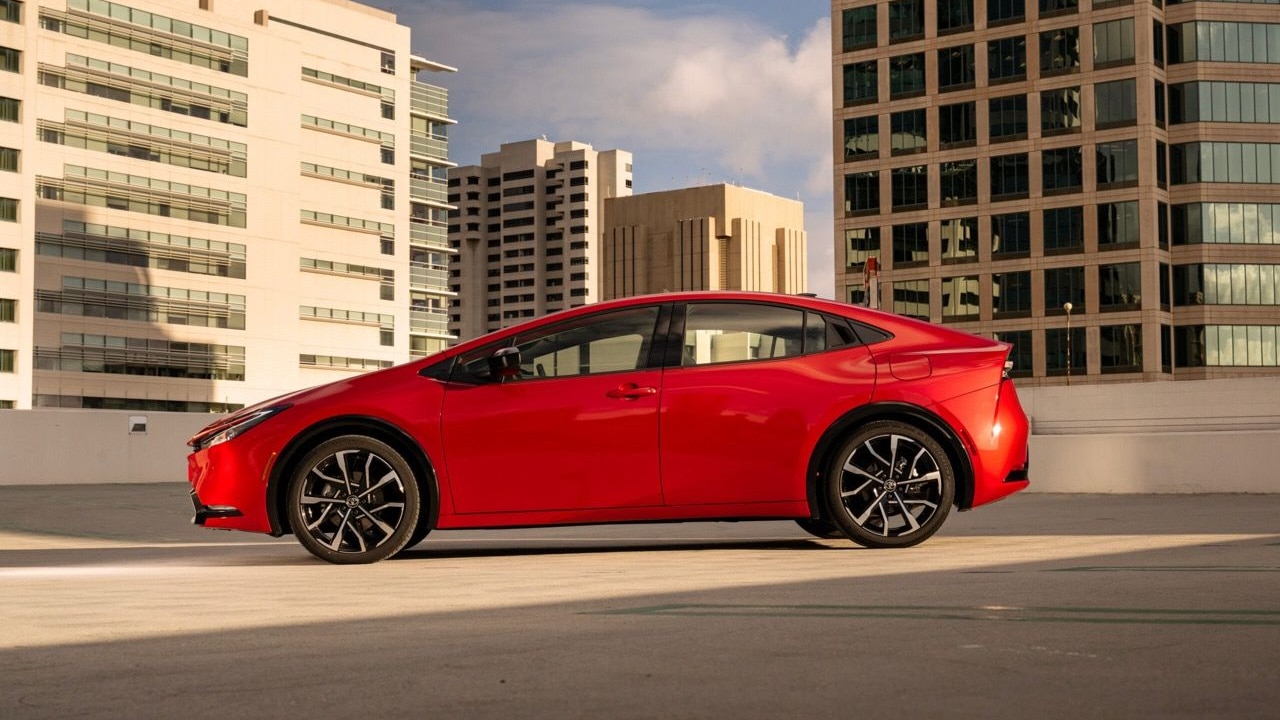
Even in a high gas-mileage car like the 2012 Toyota Prius -- which is rated at 50 mpg combined -- the U.S. average annual mileage of 15,000 miles would cost a Washington resident $112.50 per year in taxes, or around 0.75 cents per mile.
Do the same mileage in a car that only gets 30 mpg combined, and you’d be paying out $187.50 a year in tax.
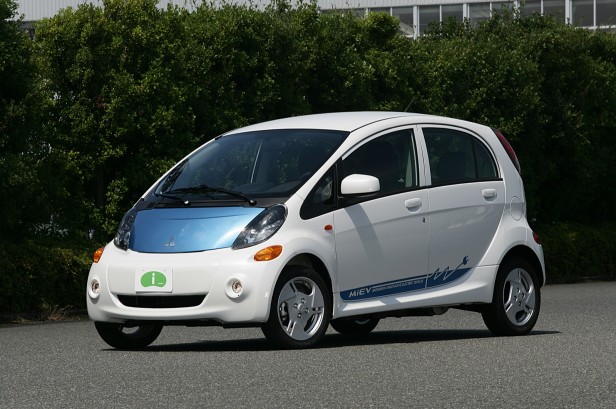
2012 Mitsubishi i
But drive 15,000 miles a year in Washington state in an electric car under the proposed tax, and you’ll pay $100, or 0.66 cents per mile. Drive further, and your tax rate gets even lower.
In other words, the new Washington state electric car tax still rewards electric car drivers with a lower tax rate. And the more they drive, the less effective tax per mile they pay.
Note too, that we’re examining taxes here, not running costs. If you factor into the calculation the cost of gasoline versus the cost of electricity, Washington’s electric car tax looks even better -- although we're not sure at the moment if the legislation would cover plug-in hybrids like the 2012 Toyota Prius and 2012 Chevrolet Volt.
As more electric cars hit the roads of the U.S., we’re expecting more states to pass electric vehicle tax schemes into law.
Arizona and Kansas have already explored options for alternative taxation of electric cars in lieu of gasoline tax, although Arizona’s tax-per-mile and Kansas’ tax-per-kilowatt-hour systems seem less popular than a flat annual fee.
But before you get upset about additional taxation on electric car owners, ask yourself this: would you rather pay more tax, or have potholes?
+++++++++++