Dr. Steven Chu, U.S. Secretary of Energy
2013 Nissan Leaf: Driven Through Tennessee...
2013 Smart Electric Drive To Offer Battery...
VW Talks Future Tech: Plug-Ins, Natural Gas...
You’re probably well aware that some of our fellow journalists in the mainstream media aren’t big fans of plug-in hybrid and pure electric cars at the moment.
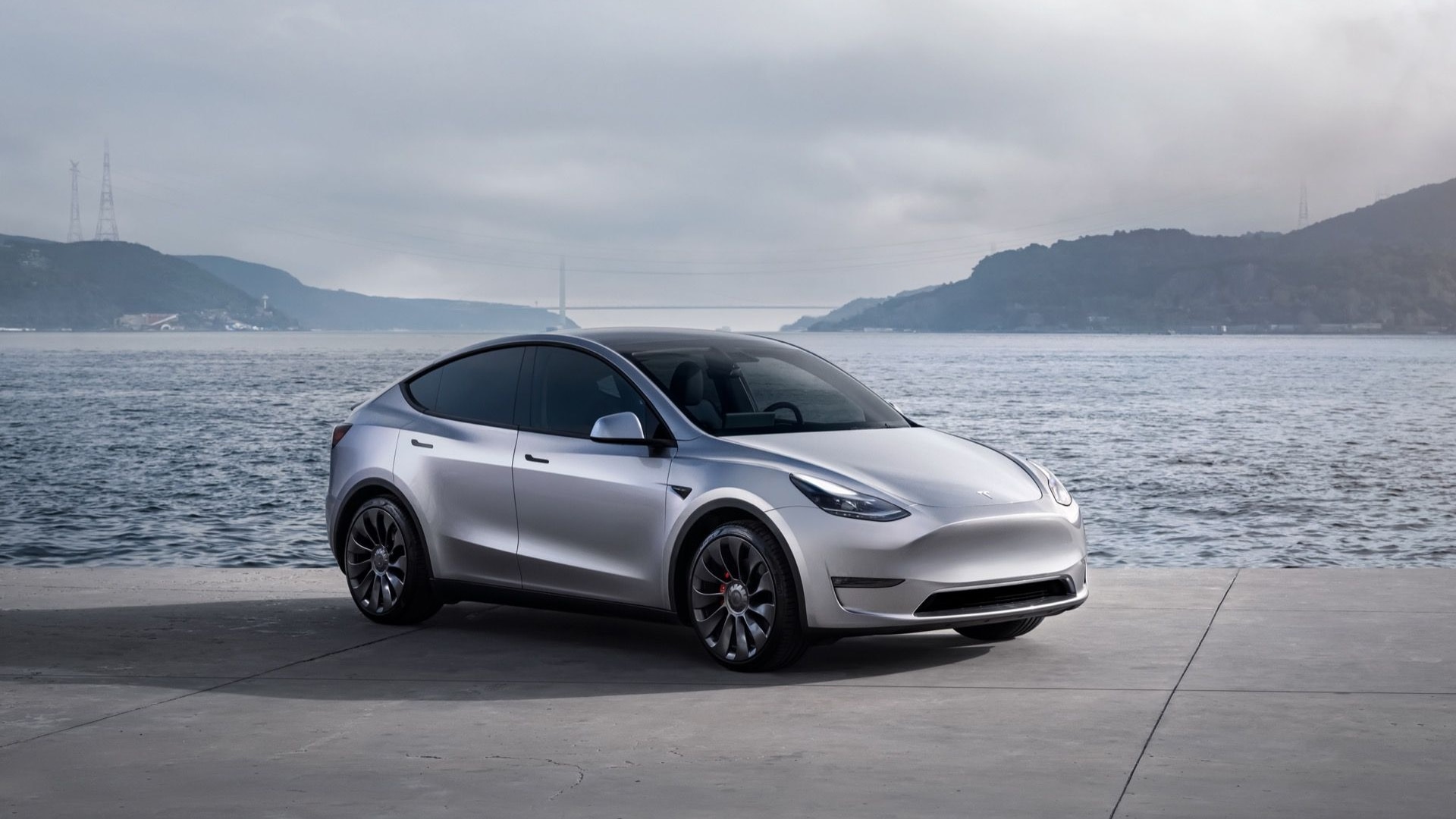
But U.S. Energy Secretary Steven Chu has reiterated his support of electric cars, predicting that electric cars will command a major market share by 2020 thanks to dropping battery prices.
Talking with reporters at the 2012 Detroit Auto Show, Chu remained confident that the 1 million plug-in vehicle target set by the Obama administration would be met.
“Whether it is 2015 or 2016 or whenever, I don’t know. I think it’s possible,” said Chu. “It depends on a lot of things.”
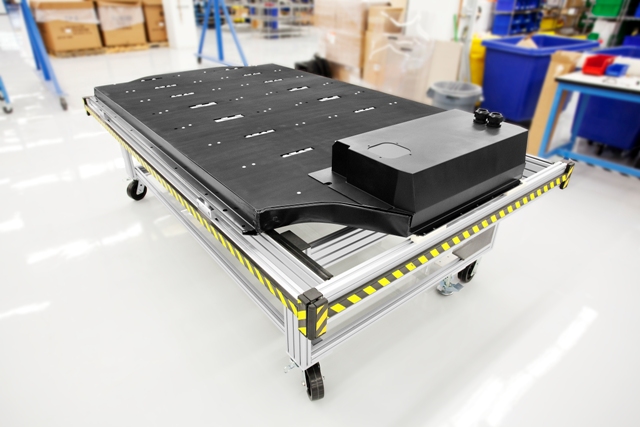
According to Chu, the cost of manufacturing an electric car battery pack has dropped from between $1000 and $1200 per kilowatt-hour down to $600 per kilowatt-hour.
“It’s going to come down and everyone knows this,” Chu added.
As the Automotivenews reports,Chu declined to have his photograph taken with the 2012 Chevrolet Volt while visiting the Chevrolet stand at the Detroit Auto Show, saying that he’d seen the car many times before.
That’s true, but we can’t help wondering if there’s still a little stigma attached to Chevrolet’s first plug-in hybrid car that makes the U.S. department of Energy nervous about being seen to support it, despite the resolution recent post-crash-test battery fires.
Regardless of Chu’s behaviour around the Chevrolet Volt, if battery prices do continue to halve every three years or so, a 24 kilowatt-hour replacement battery pack for a car like the 2012 Nissan Leaf could cost as little as $7,200 in a few years.
+++++++++++

Follow GreenCarReports on Facebook and Twitter.
Have an opinion?
On the upside: battery prices are already lower than the $600/KWH that Chu estimates if Tesla's pricelist for the Model S is any indication. Tesla charges only $400/KWH extra for those who want the 85KWH pack rather than the 65KWH pack.
So, to the EV manufacturers: you must compete on price, range, AND refuel time. ALL THREE, AND NOTHING LESS.
Better than setting a required mileage of 300 miles, I like the Tesla approach, fit the battery pack to the mileage needs. Some of use aren't hat salesmen.
I doubt you will ever buy an EV, but we'll get there. It will be much slower than we'd all like, but we didn't go from the Motorola Model Brick to the Iphone 4S in 10 years either.
I am happy to pay a little bit extra. My return on investment will be the joy of driving a quiet, fast, environmentally sound car. I believe that we'll see good, fast charging sub $30k EV's in 5 years that can compete with premium Cruze/Focus models
my Leaf is not my sole transportation. i must have 2 cars (two commuters traveling in opposite directions both working non- traditional hours)so a Prius is used to go out of town. the Leaf for everything else. in 11 months, 3 weeks of ownership. the Leaf has been parked about 10-12 times to take the Prius. QC near out destination would have kept the Leaf home only 3 times
So for the price the Volt's size battery is a good trade-off.
The Volt is for people that want a car that can run on your homes cheap electricity instead of gasoline. I love driving my Volt and I love not being a slave to raising gas prices. Go America. Buy American made electricity instead of foreign oil.
This quote is a good illustration of terrible leadership and why we have failed to reduce oil consumption.
What Chu doesn't say is that meeting the 1 million plug-in vehicle target "whenever" displaces only about 20,000 barrels of oil per day.
We need to see a plan to displace millions of barrels per day of oil while reducing costs and greenhouse gas emissions. The technology exists to do this right now by running trucks, trains, and buses on lng and taxis and fleet vehicles on cng, for starters. We also need to get people to drive less.
But it takes leadership.
Have an opinion?Join the conversation!