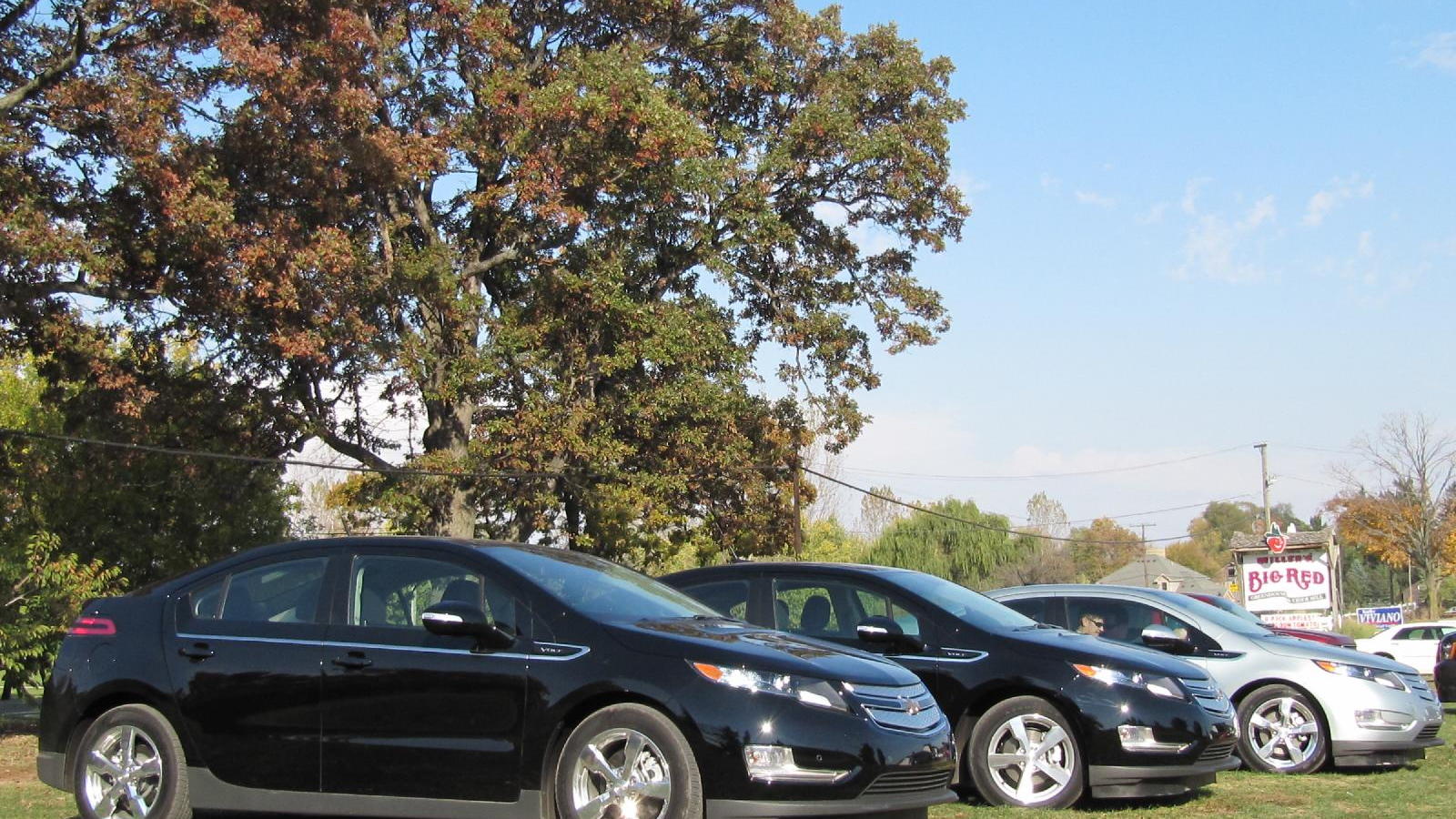
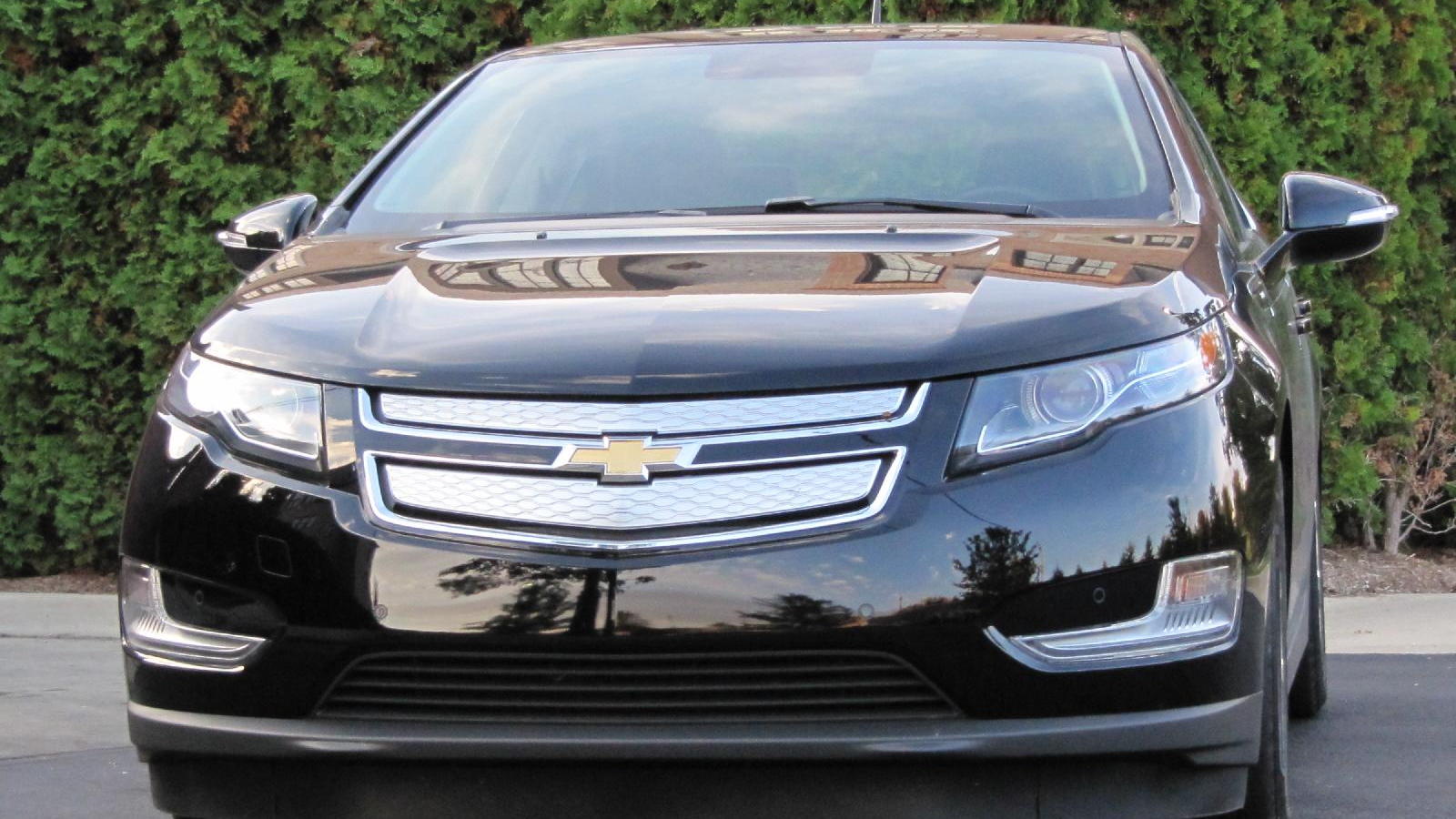
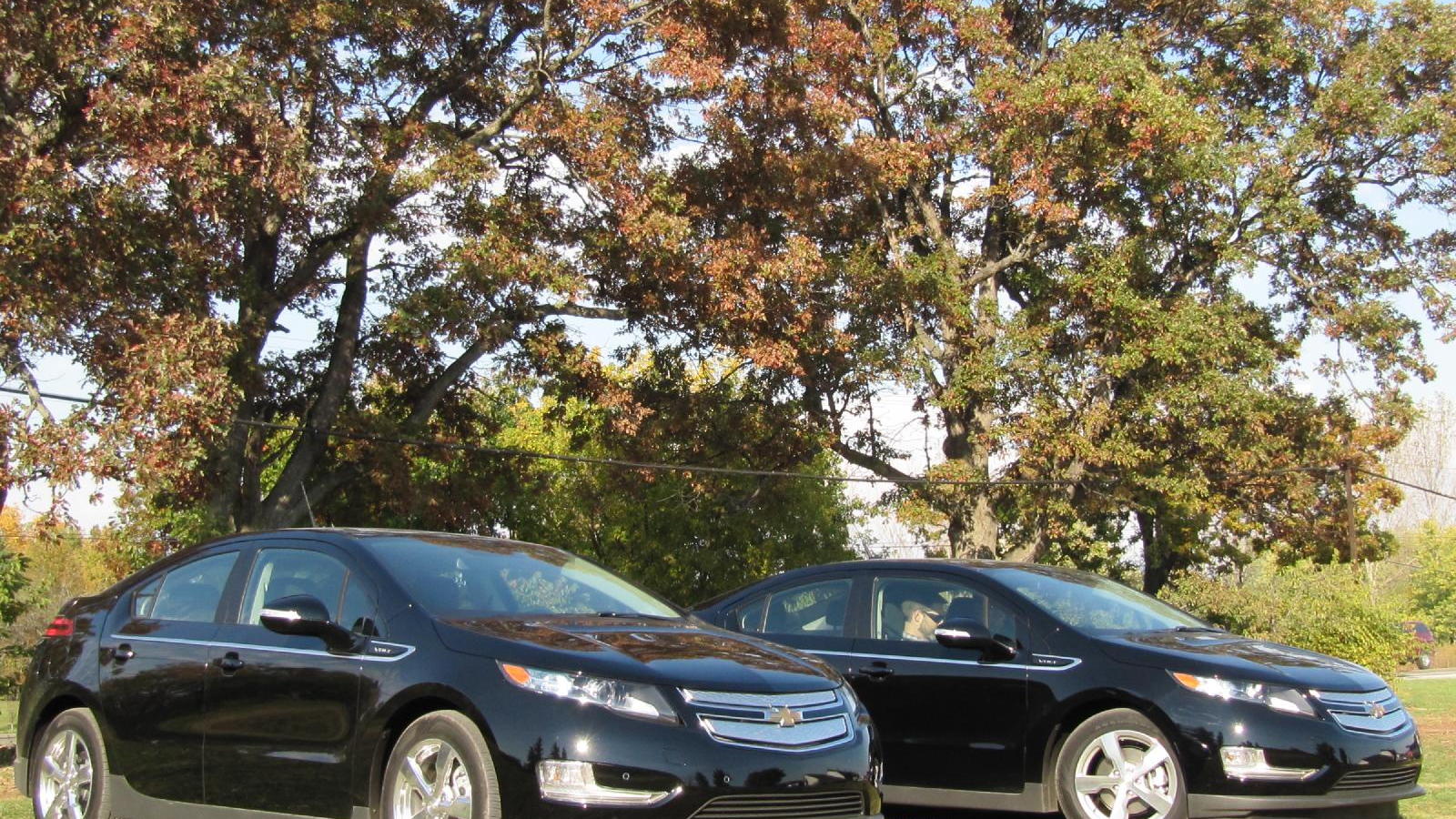
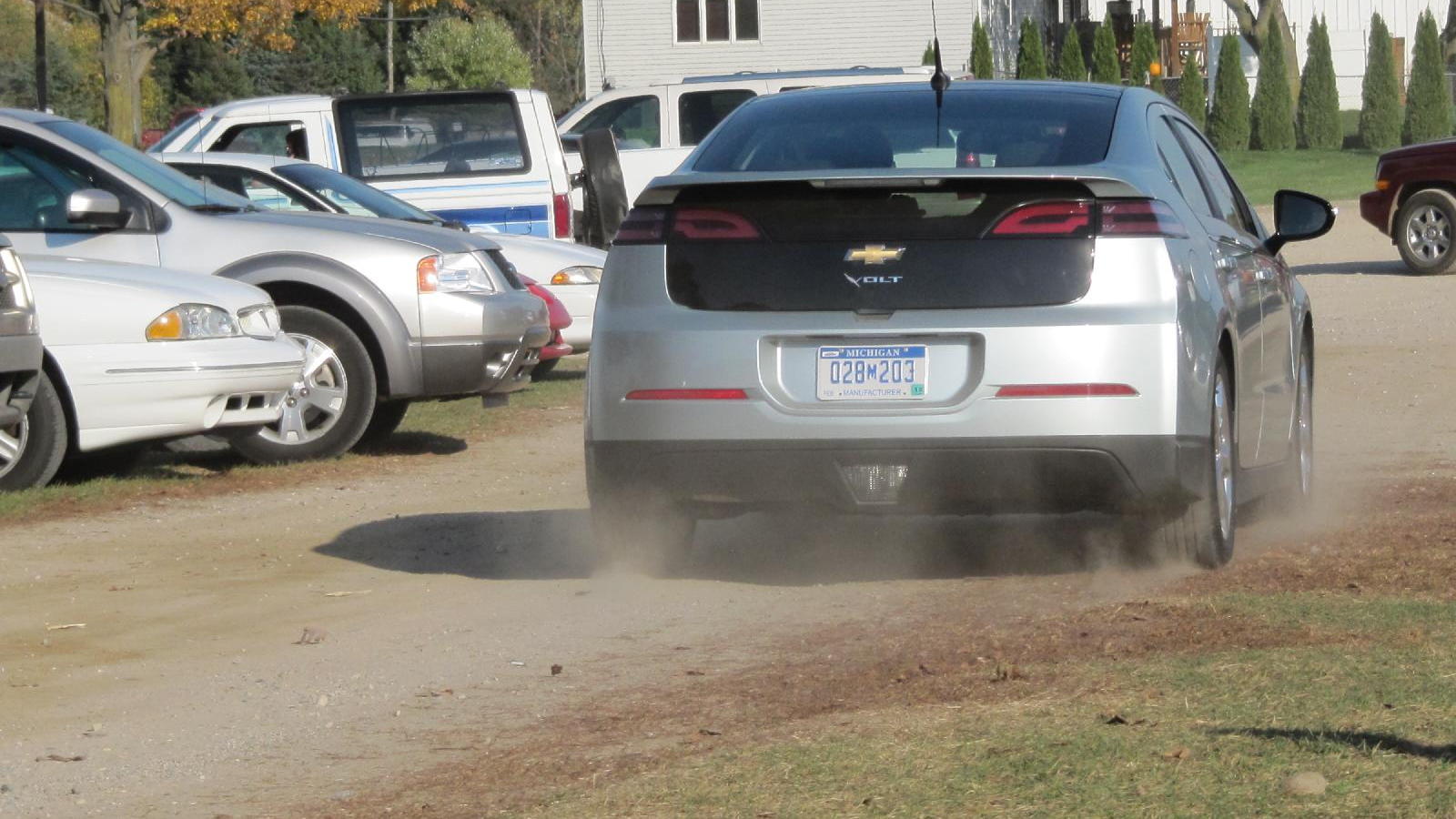
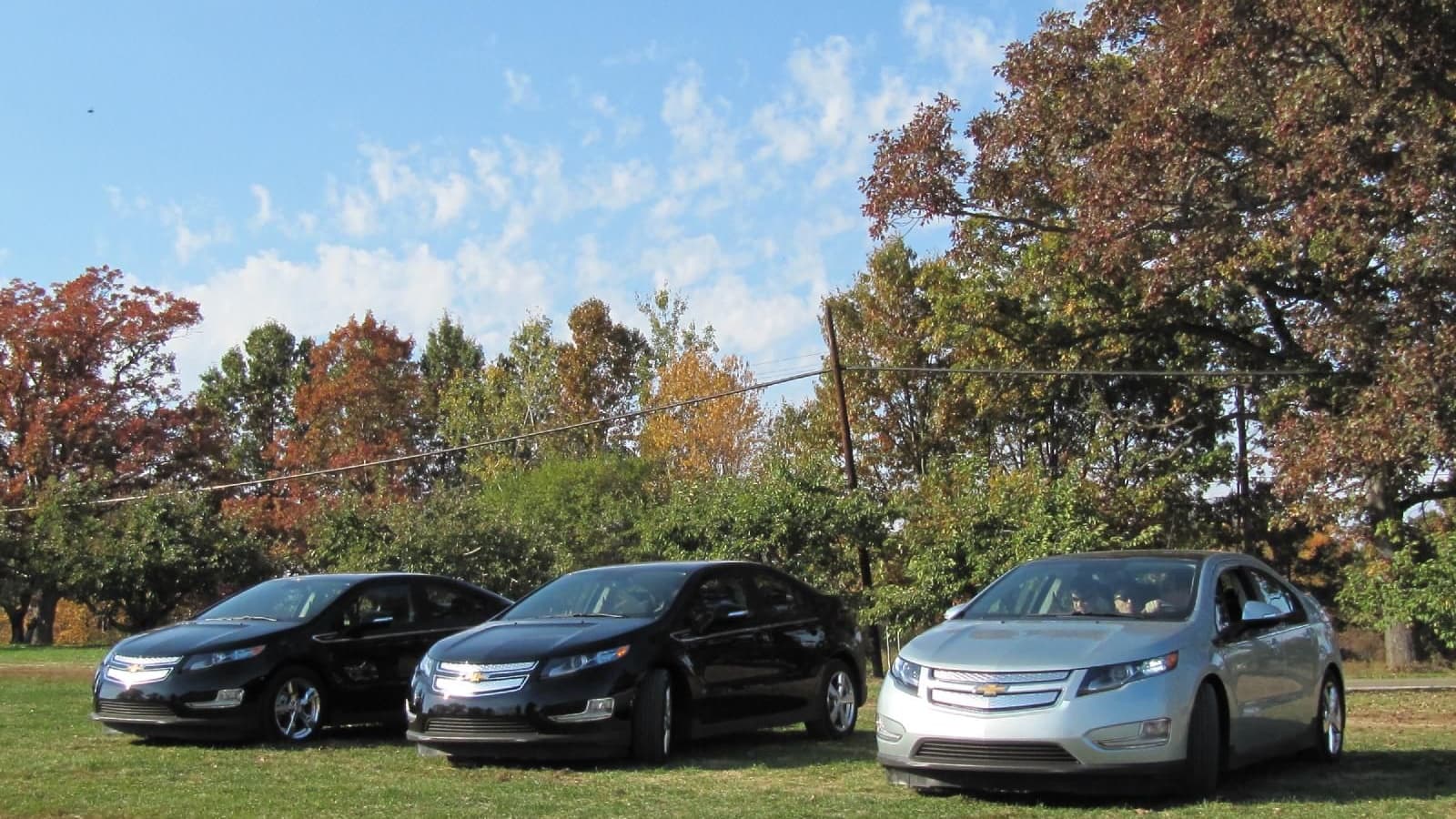
One year ago today, the very first 2011 Chevrolet Volt range-extended electric car was delivered to a retail buyer, in Denville, New Jersey.
The Volt was intended not only to be the first production plug-in electric car from General Motors--erasing memories of the ill-fated EV1--but to serve as a technology halo car for the just-bailed-out company.
What a difference a year makes.
Against a steady drumbeat of anti-Volt diatribes from the occasionally fact-free Fox News, the Volt has racked up some interesting numbers.
- Garage fires: 2 (in Barkhamsted, Connecticut, and Mooresville, South Carolina, both deemed by local fire marshals to have nothing to do with the Volt and ignored by buyers)
- Electric range: 35 miles (as certified by the EPA)
- MPG in gasoline mode: 37 mpg (also as per the EPA)
- Sales shortfall: 2,500 units, roughly (GM said it would sell 10,000 Volts in 2011; it won't, with the likely total being closer to 7,500)
- Weeks until wrecked Volt battery pack caught fire: 3 (in a car sitting in a yard in Wisconsin after it was demolished in an NHTSA crash test)
- Unexpected announcements by GM CEO Dan Akerson: 2 or more (he caught his own staff by surprise in saying GM would buy back any Volt from owners with safety concerns, and last year hinted he'd double Volt production in 2012, which won't happen)
- Activist owners: 140 or more (those who signed an Open Letter saying they believe the car is safe and have no intention of giving up their keys and getting loaners)
- Context-free coverage that's somewhere between uninformed and misleading that risks confusing the public: Countless (here's a recent one; ask us why)
So it seemed to us it was time to look at the Volt, one year later, and think about where it is today compared to, say, the 2007 Detroit Auto Show where the first Volt Concept was unveiled to rapturous reviews.
THE GOOD STUFF
Enormous Media Exposure: The Toyota Prius hybrid-electric vehicle remains the gas-mileage leader in the U.S. market, but with volume sales and familiarity, it's become a part of the landscape.
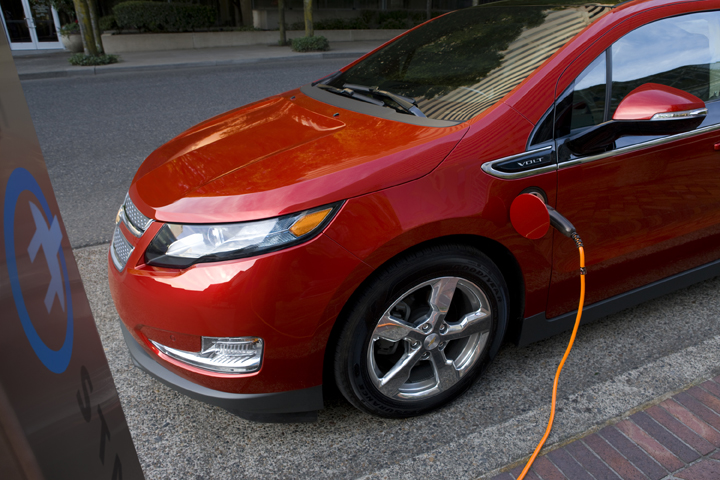
2011 Chevrolet Volt
Starting in 2007, GM was extraordinarily transparent discussing the Volt program, its lithium-ion battery testing, the drivetrain details, and its efforts to bring a radically new technology and vehicle to market on a very tight schedule.
Perhaps the company had nothing to lose, but it was the right decision: Compared to the opaque development programs at other makers--virtually all Asian companies, and lately Ford's 110-percent-on-message ability to respond with talking points to virtually any question--it was exemplary.
And it worked. GM got almost five years of media exposure for a car that will sell in low volumes and likely not make a dime for years (just like the Prius, ahem).
It's Built In The U.S. of A.: It's long been assumed by the car-buying public that while U.S. makers are good at pickups, the innovation in fuel efficiency all comes from overseas.
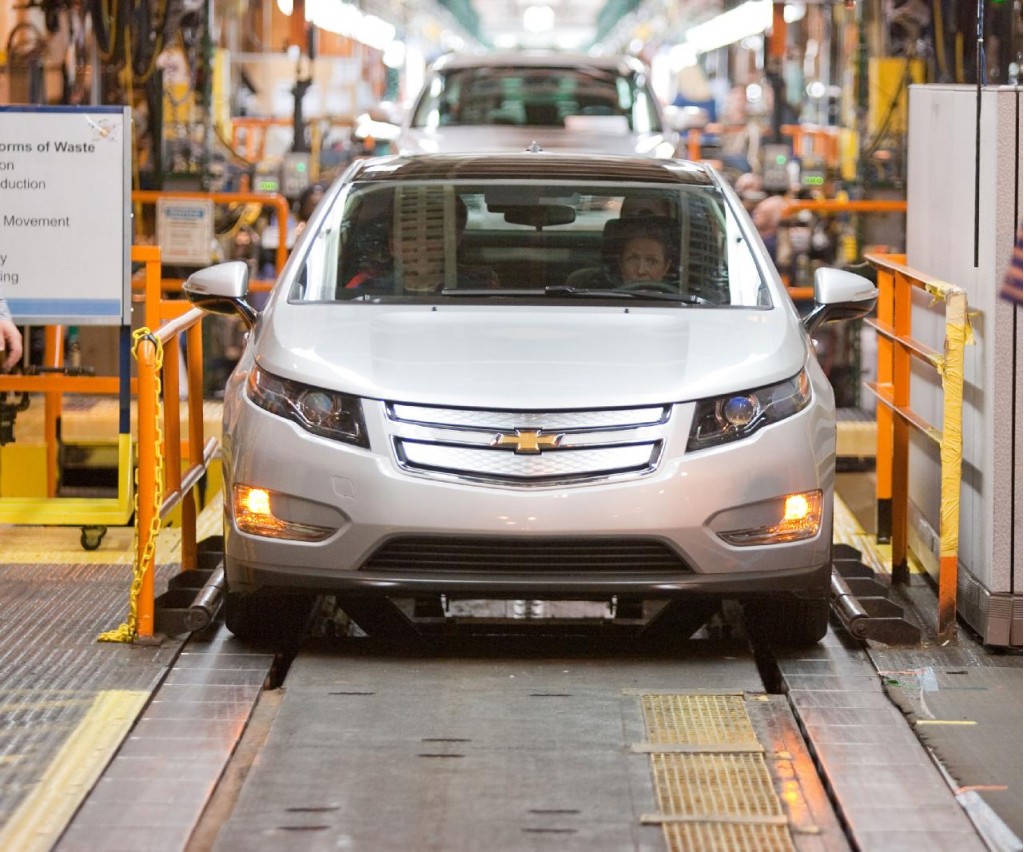
First 2011 Chevrolet Volt built on production tooling at Detroit Hamtramck plant, March 31, 2010
By choosing to build the Volt in its Detroit-Hamtramck assembly plant, GM put a stake in the ground for American innovation. That has undoubtedly helped it appeal to buyers who want to buy a U.S.-built car from a domestic automaker--but walked away years ago (see below).
New, Formerly Unavailable Buyers: The early buyers of Volts, by and large, are affluent early adopters in technology forward states like California. Many of those people wrote off Chevies 20 or 30 years ago after they or a relative had one too many bad experiences with badly-built, uncompetitive, half-hearted small cars from GM (or Ford, or Chrysler).
Those folks had to use Google to find out where their local Chevy dealer was located. Though small in number, they are conquests of the best possible kind: They love their cars, talk about them incessantly, show them off regularly, and say "Chevy" a lot.
More Sales Of Regular Old Gasoline Cars: The Chevrolet Cruze compact sedan has been well-reviewed, and the Volt actually uses some of its understructure.
But in-market car buyers who may never have considered Chevrolet compacts will visit just to learn more about the Volt. Some of them leave behind the wheel of a Cruze.

Chevy, Buick, and GMC 'Main Street in Motion' drive event, CitiField, NYC, June 2011
This was best displayed at the GM "Main Street in Motion" event, which visited stadium parking lots around the country to put drivers behind the wheels of Chevy, GMC, and Buick vehicles in a low-pressure environment sans sales staff. To drive the Volt, you first had to drive a Cruze.
The Volt Is Actually A Great Car: Perhaps most surprising to an automotive press often composed of grumpy, doughy, middle-aged white men who loathe anything with even a tinge of green, the Volt is fun to drive, quiet, well-built, and powerful.
Like the all-electric Tesla Roadster before it, the Volt electric car is a vehicle that changes minds and wins hearts.
And it takes away the excuse of range anxiety, which lets too many lazy journalists avoid having to understand how electric cars are actually used in the real world by real drivers.
THE BAD STUFF
Battery-Pack Fire Concerns: To us, the most detailed summary of issues around the Volt battery-pack fire concern remains the detailed roundup of news items and perspective published by CalCars.
It argues that GM has done pretty much everything it could do to stay on top of the situation (and the sometimes sloppy reporting of it).
And once more, it bears repeating: None of these fires has occurred in a Volt on the road, being operated by an actual live human being. Or as one commenter quipped, "So what I'm reading is that I should make sure to get out of my wrecked Volt within three weeks?"

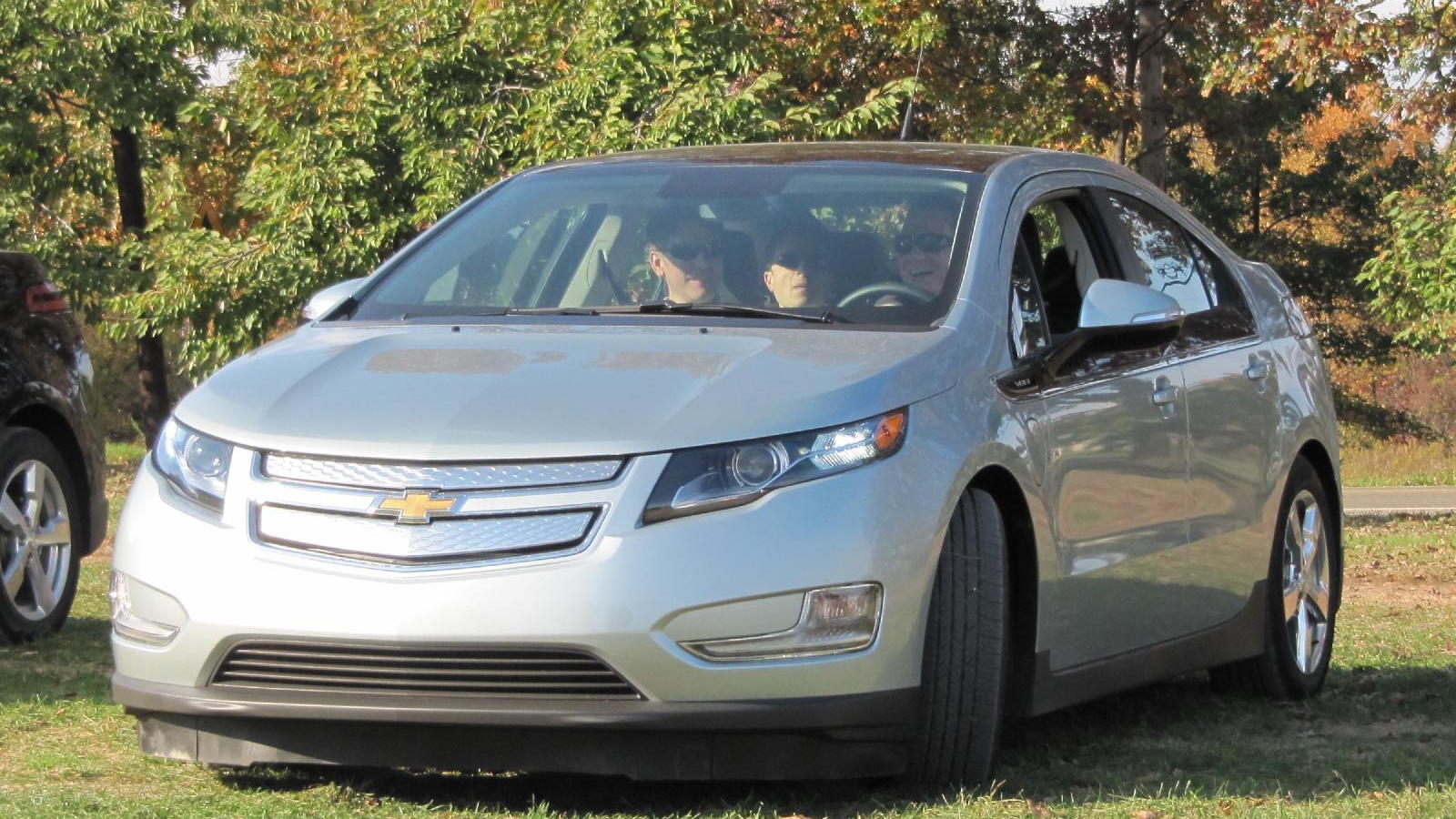
2011 Chevrolet Volt test drive, Michigan, October 2010
Unique Technology--But So What? Chevy can claim, justifiably, that the Volt was the world's first series hybrid (or range-extended electric) vehicle in volume production. The 2012 Fisker Karma, staggering onto the market, is also an extended-range electric, but it's hardly selling in volume at the moment.
But that claim may not help in the long run if the results and ratings for other technologies are the same or better.
Just yesterday, Ford confidently stated that its 2013 Ford C-Max Energi plug-in hybrid would best the Volt on the EPA's MPGe rating. The Energi uses an adaptation of Ford's time-proven hybrid system, with a larger battery pack that plugs in to recharge.
So, series hybrid--but who cares? It's all about the MPG(e)s.

2011 Ford C-Max Energi Plug-In Hybrid Concept live photos. Photo by Joe Nuxoll.
Sales Shortfalls, TBD: We're not seriously worried that Chevy can't shift the 10,000 Volts it built this year. And we think it'll sell 45,000 next year, especially once fleet orders like GE's order for 20,000 or more plug-in cars kick in.
But we do wonder whether the Volt--with an expensive battery pack AND an internal-combustion range extender--can come down in price fast enough to stay relevant and continue selling in larger numbers.
Remember that not only will all gasoline cars get continuously better mileage in the years to come, but plug-in contenders will arrive thick and fast as well. The 2012 Toyota Prius Plug-In Hybrid hits the market next spring, for example, with the benefit of the known, trusted Prius brand.
We think the Prius Plug-In's 9-to-13-mile electric range is sort of irrelevant, and its engine still kicks on under heavy loads, even during those "electric" miles. The 2013 Ford C-Max Energi will likely be about the same. Electric-car purists care about these things, but buyers may not agree.

Chevy, Buick, and GMC 'Main Street in Motion' drive event, CitiField, NYC, June 2011
How those three vehicles will stack up in sales in the 2012 to 2014 timeframe remains to be seen. Can Chevy sell the same number of Volts as plug-in hybrids from other makers who simply adapt their conventional hybrids with larger battery packs that can be recharged from the grid?
We're not sure. Check back with us. Continuously.
Worth noting, by the way: Nissan said back in the day that it would sell 20,000 Leaf electric cars in the U.S. its first year. That didn't happen either, though it could put part of the blame on the March earthquake and tsunami that devastated parts of the Japanese auto industry.
Challenge of Continuous Improvement: Silicon Valley software startups innovate rapidly, iterate perpetually, and are able to operate in "fast fail" experimental mode. Car companies don't have that option.
The car is largely fine, even if "failure" isn't sufficiently strong a phrase to characterize early marketing missteps like the Volt Dance and the disliked "More Car Than Electric" tagline.
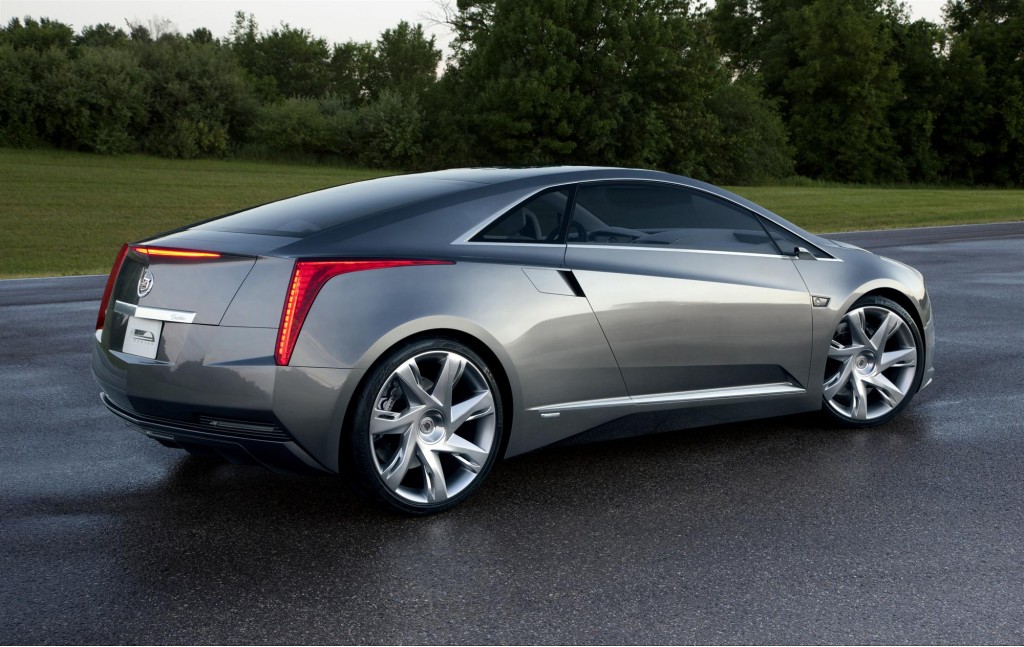
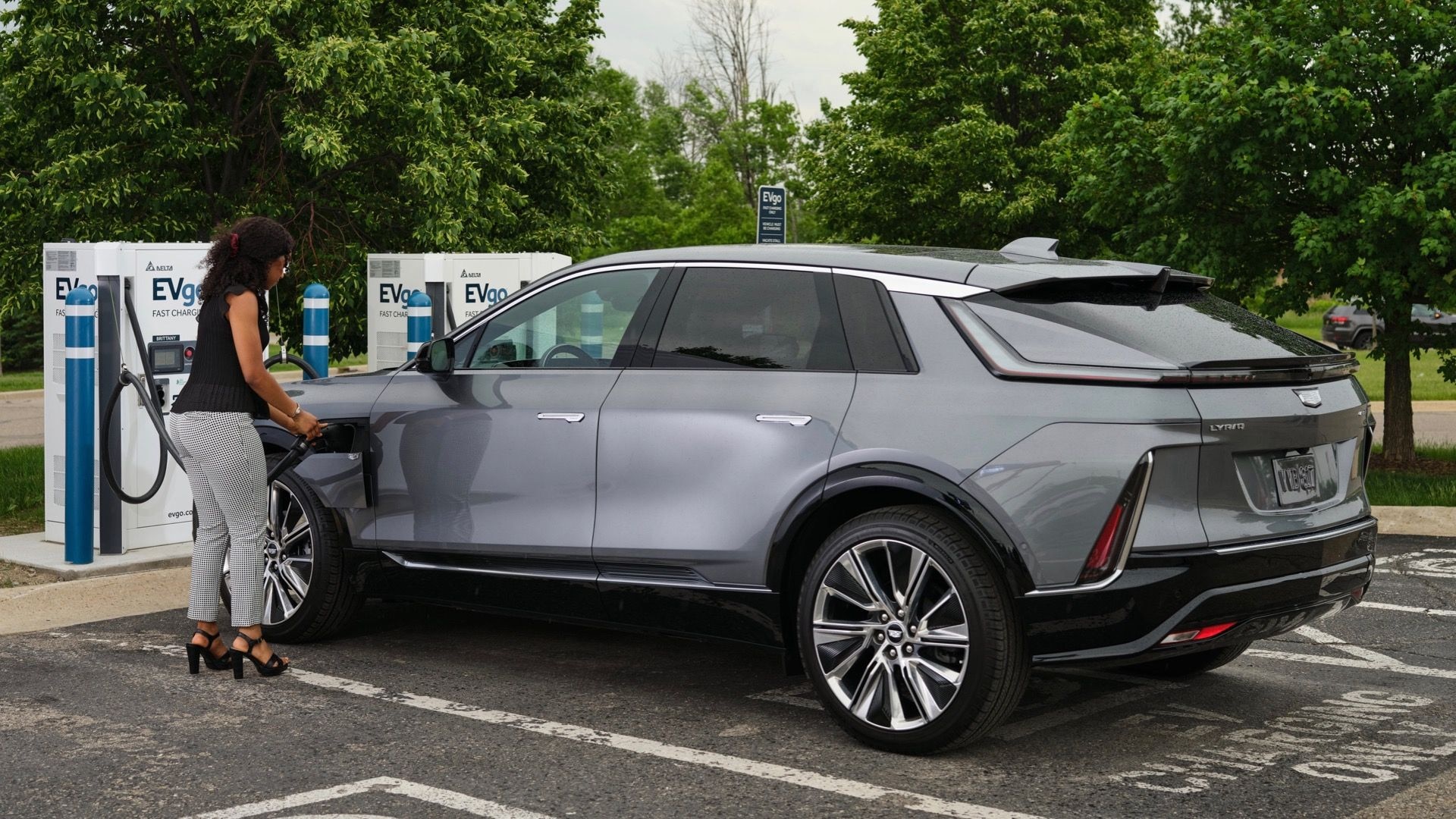
Cadillac ELR
But the Volt will probably stay much as it is now for the 2012 through 2014 model years, with the addition of the highly sought-after eAT-PZEV status that gives California buyers single-person access to HOV lanes and should have been there from Day One.
Sure, Cadillac will launch its ELR electric coupe building on Voltec mechanicals, but that's primarily to earn more dollars off some very pricey underlying hardware.
Will Chevrolet be able to make enough improvements--every year, even every few months--to keep the Volt fresh, in the news, and appealing to fickle early adopters?
Model momentum
Based on what we're hearing, we're not so sure. Car companies launch mainstream models with a big splash, get their best sales the first few years, and then tail off until the next model.
But that isn't likely to work with a limited-production vehicle like the Volt, and a fickle early-adopter audience that trades in its mobile devices every year for the latest, coolest, next best thing.
Assuming Chevy gets past the current spate of naysayers (a problem that, so far, the Nissan Leaf electric car has entirely avoided), we think the big question becomes, Can it keep the Volt on top?
Check back with us often. We'll let you know what we see. And leave us your thoughts in the Comments below.
+++++++++++