Almost every day we hear of a shiny new car that gets a certain number of miles to the gallon, a number often greater than its predecessor.
It sometimes seems like witchcraft - until significant steps towards high-tech materials are taken, rarely do cars lose weight from one model to the next (with a few honorable exceptions), and weight is generally acknowledged to be an enemy of performance and MPG.
So how are our cars getting not only quicker and safer, but more efficient too? Join us as we explore some of the most common techniques for small mileage gains...
Long gear ratios, more gears
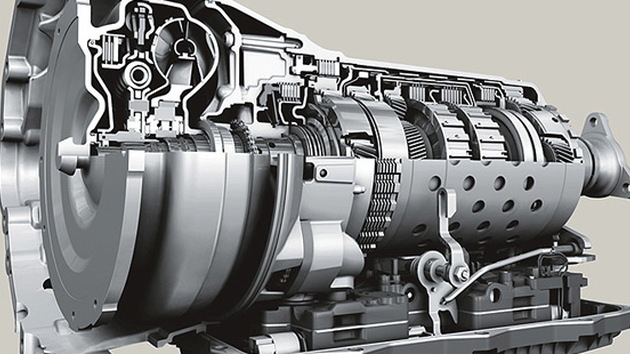
We all know why cars have gears. An internal combustion engine works most efficiently and delivers most of its power and torque at a certain rate. Gears help ensure this efficient power and torque band is utilized as much as possible.
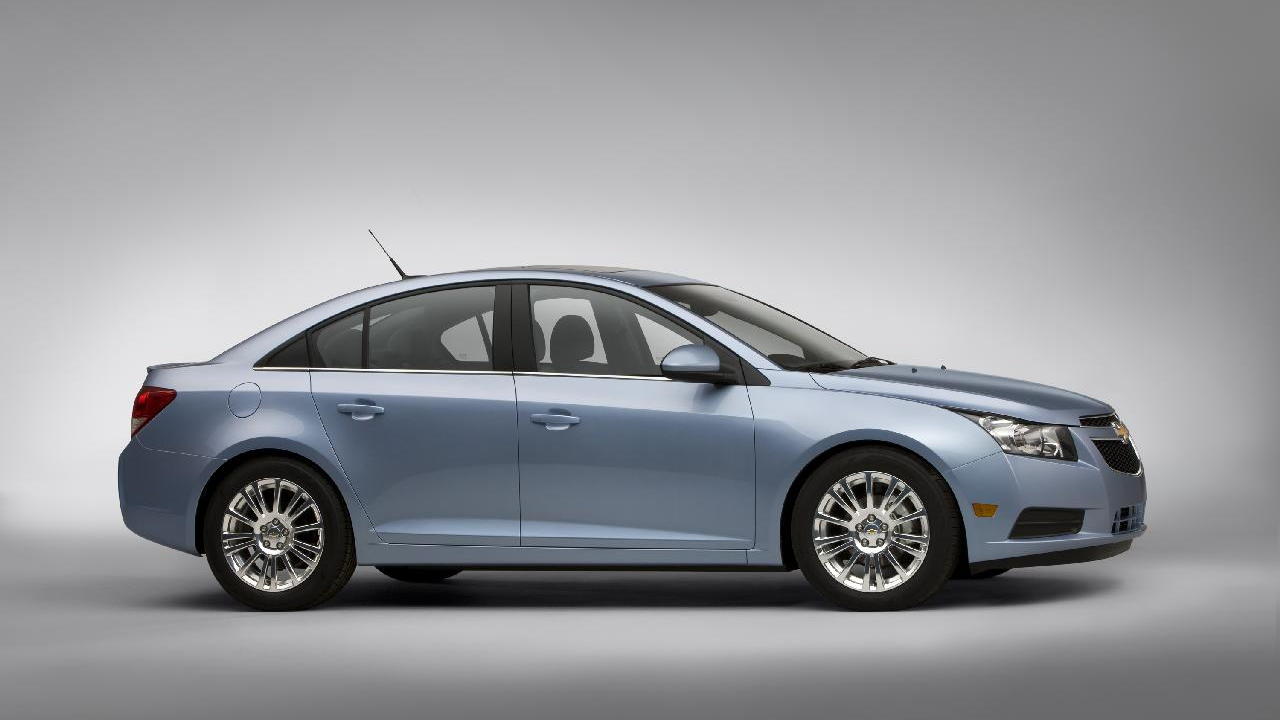
Adding more gears to an automatic or manual transmission means even greater potential for making use of the engine's most effective range, which is why we're seeing ever higher numbers. Long gear ratios allow for cruising at lower engine revs, where the engine is using less fuel. It's a technique used by cars like the 2012 Chevrolet Cruze Eco.
Torque converter lock-up
You'll notice driving an automatic vehicle that engine revs can rise and fall independently of road speed. This is great for smooth driving as the transmission takes up the slack in jerky throttle applications, but it's no good for low-revs, efficient cruising where engine revs can soar or you get a downchange when asking for more power on the freeway.
Earlier lock-up means at cruising speeds a prod on the gas pedal will use more of the engine's low-down torque than high end, gas-guzzling power.
Low-viscosity oils
An internal combustion engine generates a lot of friction. We're quite familiar with friction in cars - it helps us brake. Friction is great for stopping then, but ideally we want an engine to "go" as easily as possible.
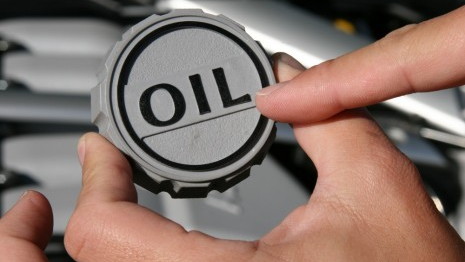
As well as advances in tighter tolerances, low-viscosity oils help an engine run with as little friction as possible (while still protecting components). This doesn't just mean more power from energy otherwise lost through friction, but an engine doing less work can use less fuel, too.
Stop-start systems
Regularly sit in traffic? If your engine is running it's effectively just a big, noisy box absorbing your wages and contributing to local pollution. Stop-start systems mean no fuel is wasted when you don't need it - when you're standing still. Modern starter motors are more robust to help with the more regular starting and stopping, and many hybrids use their electric motors to crank the engine.
At the moment, start-stop doesn't have much of an effect on EPA fuel consumption figures (which is causing companies like Mazda a few problems), but if you spend most of your commute at a standstill you'll certainly notice the difference.
Aerodynamics and flat floors
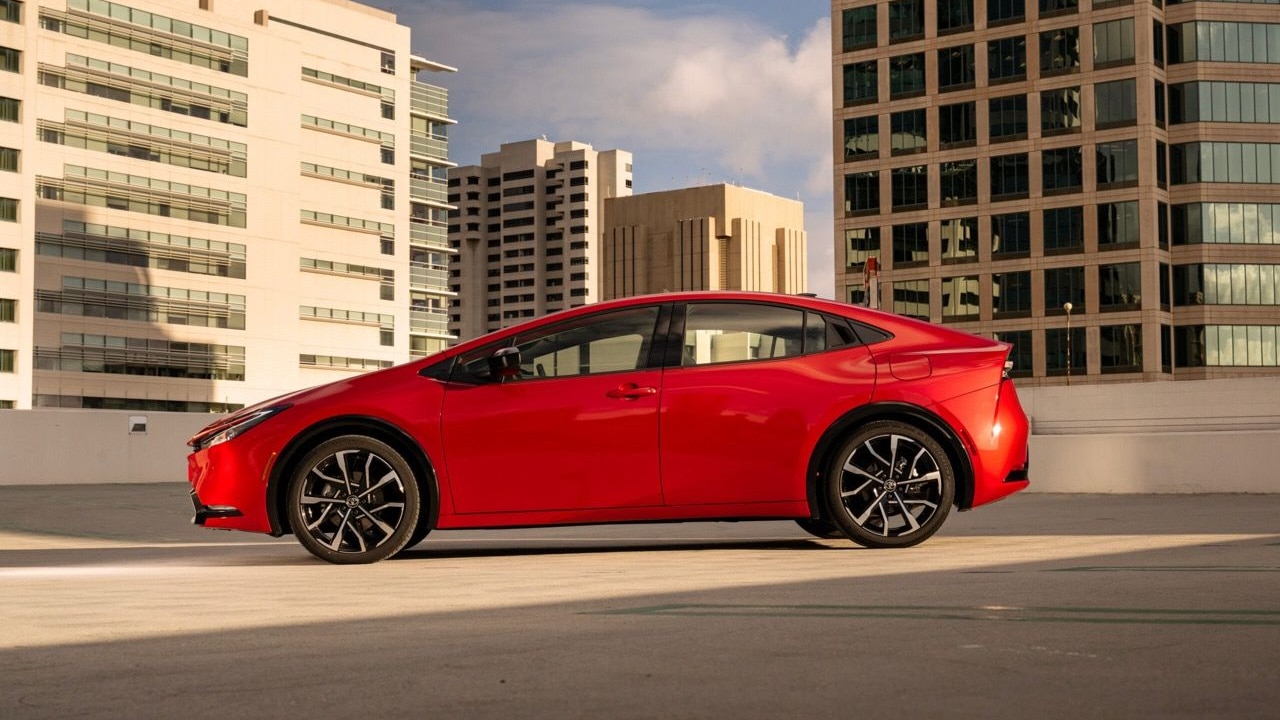
A paper plane cuts through the air quite nicely. A paper ball does not. That's because the plane is more aerodynamic, and the shape of the ball creates more turbulence and air resistance, slowing its progress. Carmakers put a lot of money into making their cars slip through the air with as little resistance as possible.
The plane analogy isn't perfect as carmakers also try and reduce lift, the force that helps a plane fly. Small aerodynamic devices reduce low pressure areas that create lift, while ensuring aerodynamic drag is kept to a minimum.
Low rolling-resistance tires
Just as aerodynamics cause drag, so too does mechanical friction between your tires and the road surface. This is because tires deform as they roll along, the constant flexing dissipating energy used for movement as heat.
Low rolling-resistance tires help reduce this deformation, with different compounds and occasionally stiffer sidewalls contributing to lower rolling friction.
+++++++++++