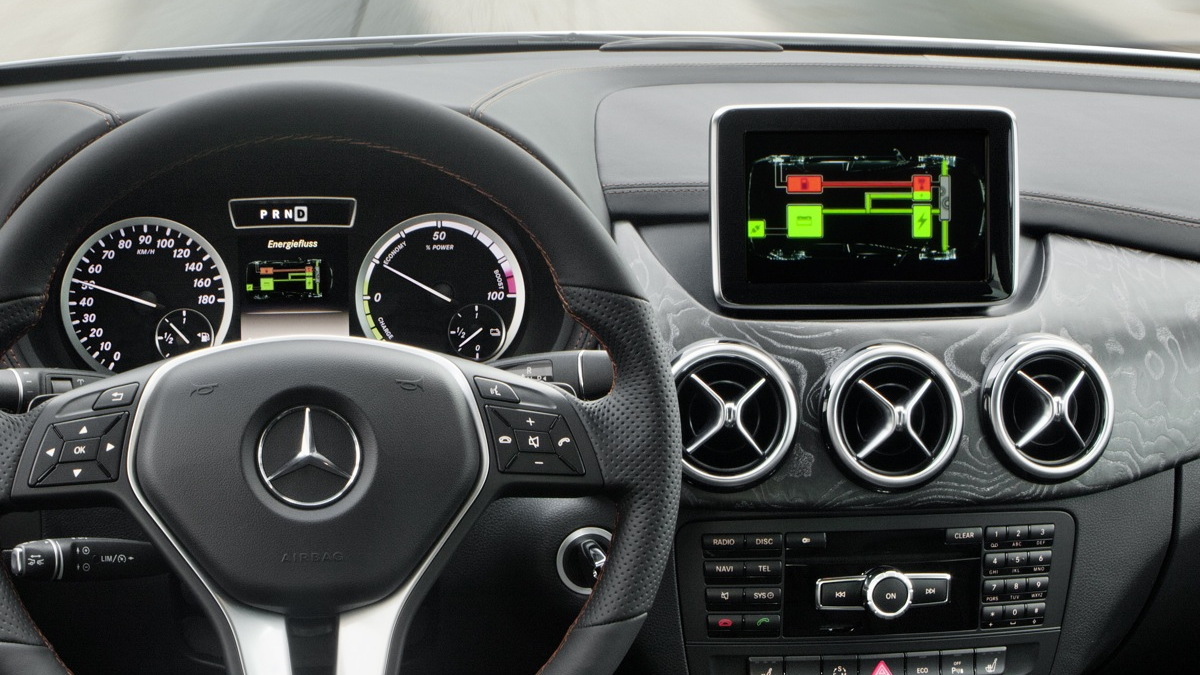
For the time being, electric vehicles that combine battery power with a range-extending generator may be the best solution for those who can get by on battery power alone for most driving--but still sometimes need the range of a conventional gas or diesel-powered vehicle.
Chevy’s Volt is the only extended-range electric vehicle on the market today, but other automakers (such as Fisker) are beginning to offer them as well.
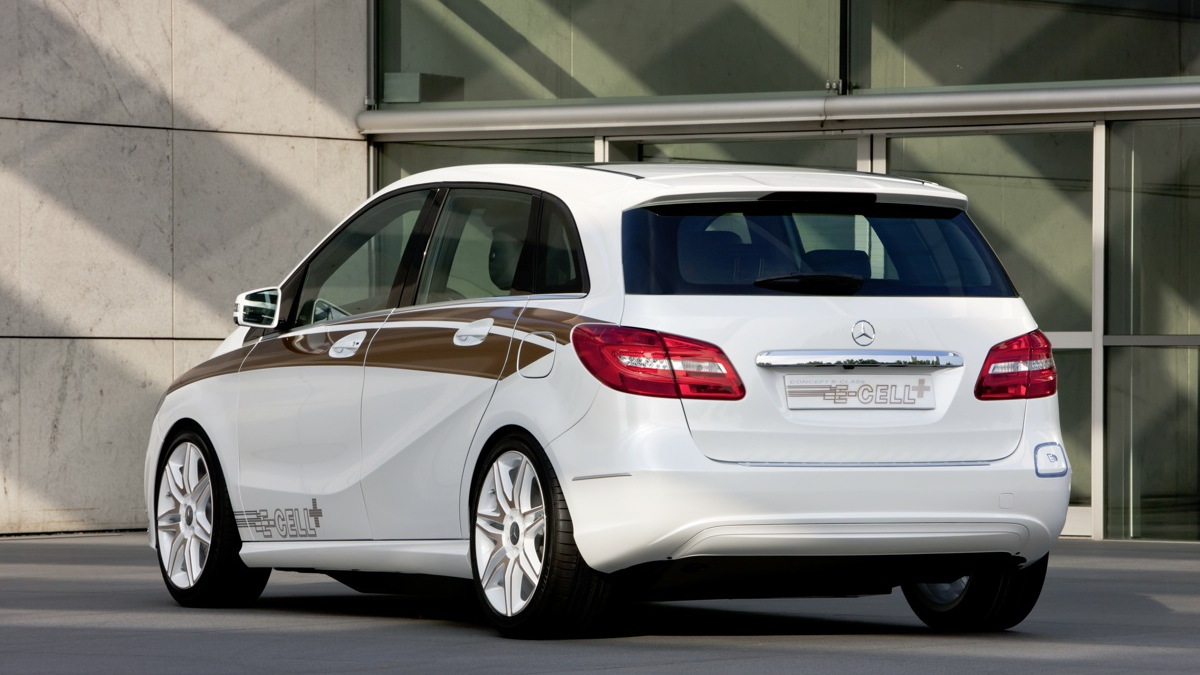
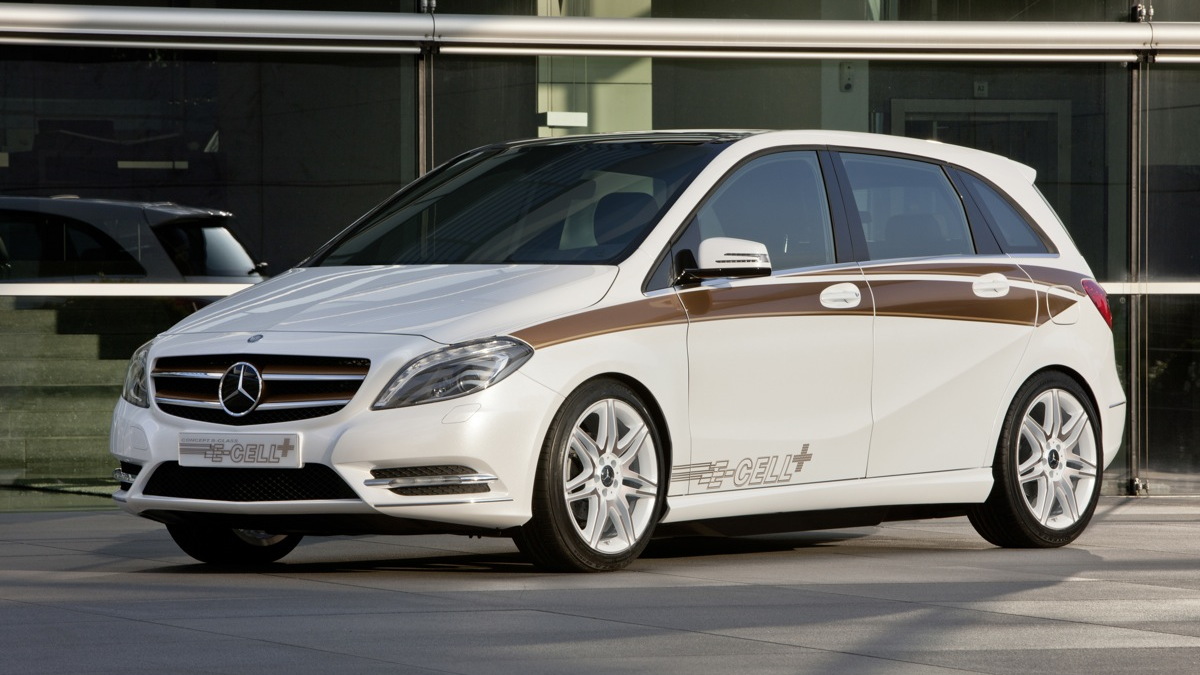
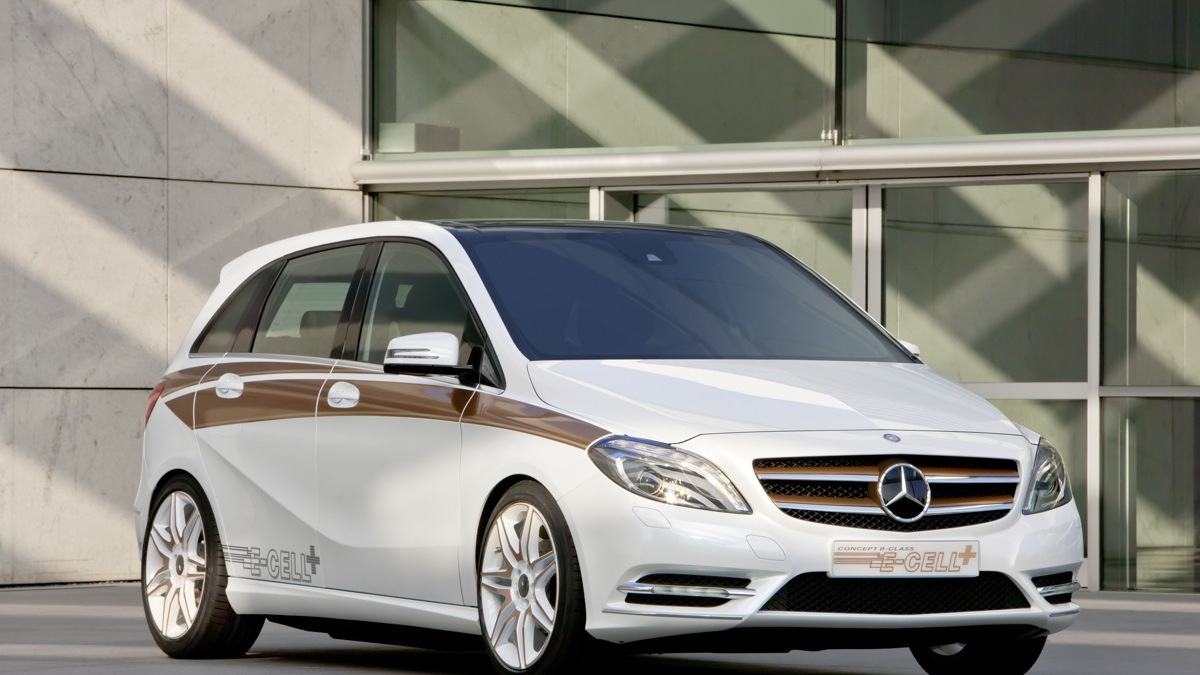
Now Mercedes-Benz is showing their interpretation of the extended-range electric vehicle, debuting the Mercedes-Benz B-Class E-Cell Plus concept at the Frankfurt Auto Show.
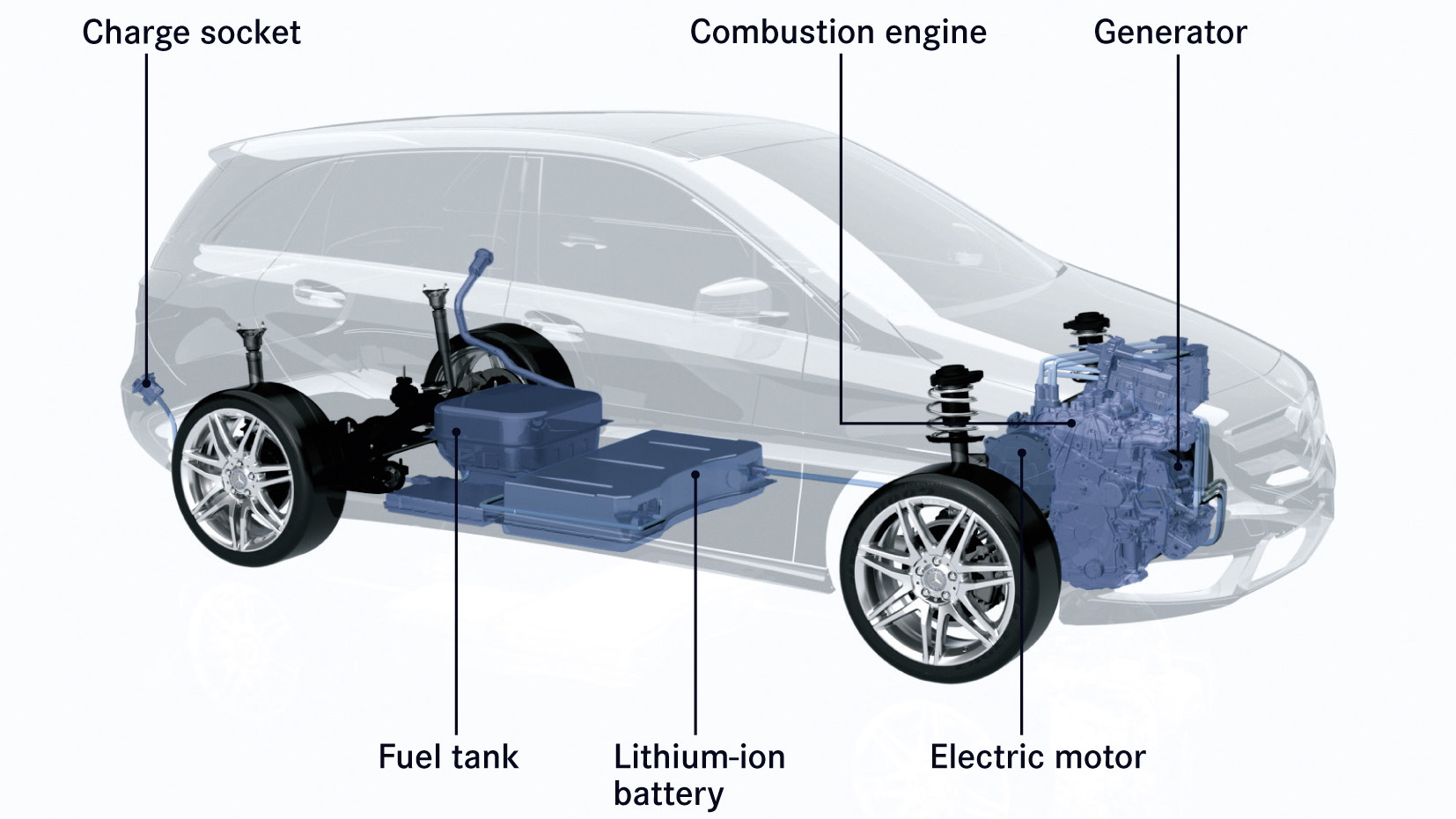
More parallel hybrid than series hybrid (like the Chevrolet Volt), the B-Class E-Cell Plus can be powered by the batteries, by the batteries and generator, or via the gasoline engine at speeds above 37 miles per hour when the batteries are depleted.
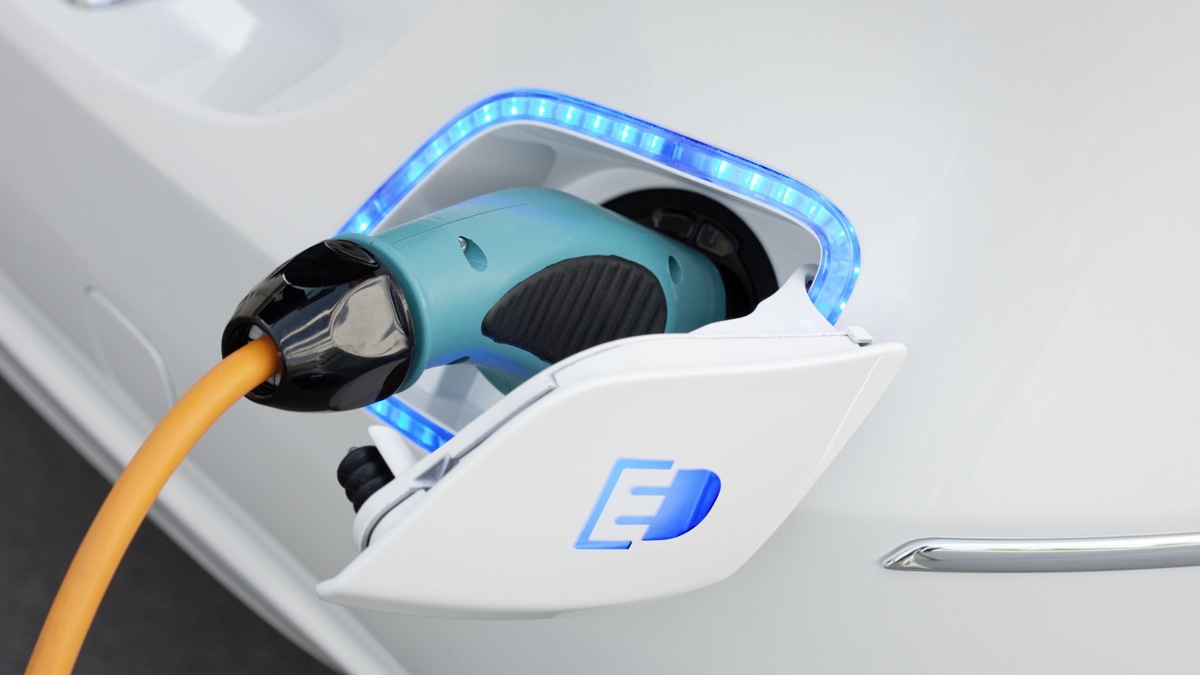
The lithium ion batteries are said to provide a range of up to 62 miles, and are capable of powering the car to speeds of 93 miles per hour. When the batteries are drained, a combustion engine powers a 3.3 kilowatt generator and the car enters a “range extender” mode, giving it a total range of up to 372 miles.

The Mercedes-Benz B-Class E-Cell Plus concept. Image: Mercedes-Benz
Here’s where the B-Class E-Cell Plus differs from the Chevy Volt: Since the generator in the Mercedes is modest in power output, the car can only drive on generator and battery power at speeds up to 37 miles per hour.
At higher speeds, the E-Cell Plus is driven primarily by the internal combustion engine, with supplemental power provided by the electric motor. Excess power generated by the combustion engine is then used to charge the batteries, which Mercedes-Benz refers to as “energy accumulators.”
The Volt, on the other hand, gets its propulsion primarily from the electric motor at all speeds and at all levels of battery charge. The Volt’s combustion engine occasionally provides supplemental torque at high speeds, but only to lower energy consumption even further under certain specific circumstances.
As you’d expect from Mercedes-Benz, the B-Class E-Cell Plus will come packed with technology and safety features, including blind-spot detection, lane-keeping assist, active parking assist and Pre-Safe, Mercedes’ own collision intervention system.
There’s good news and bad news on the production front: Mercedes will build the B-Class E-Cell Plus, but it will sell the extended-range electric vehicle in the European market only.
[Mercedes-Benz]
+++++++++++