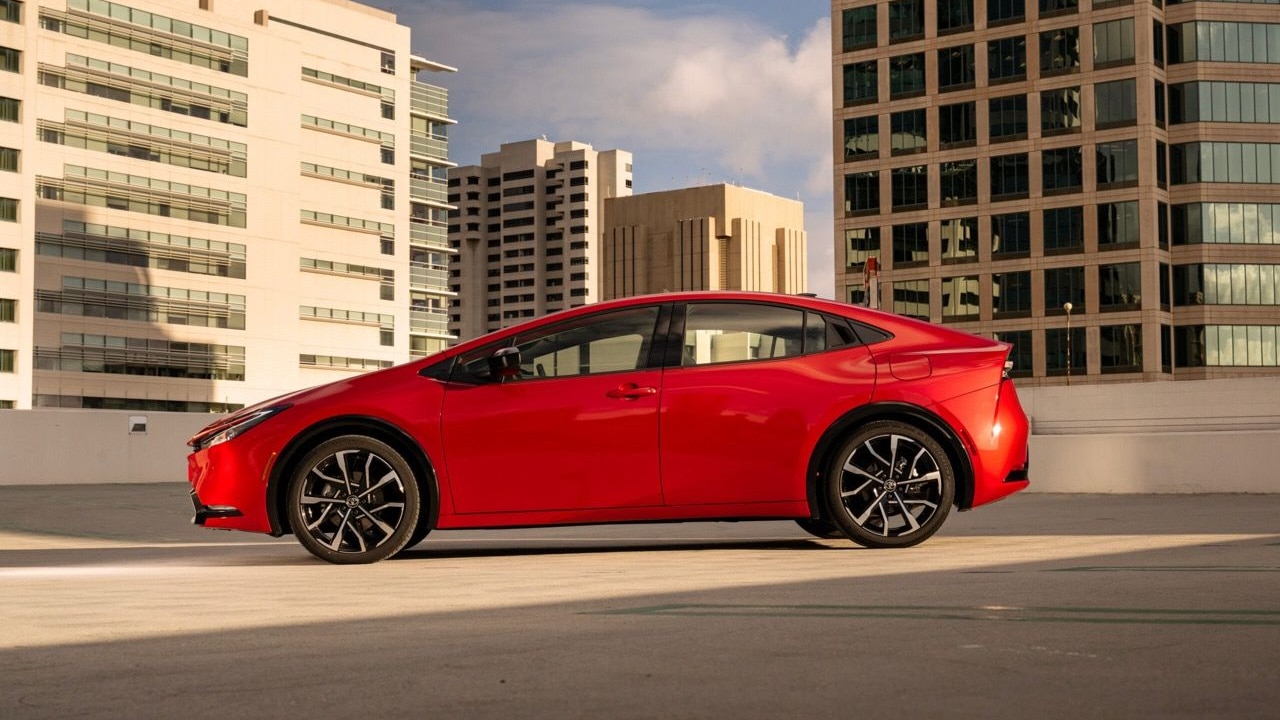
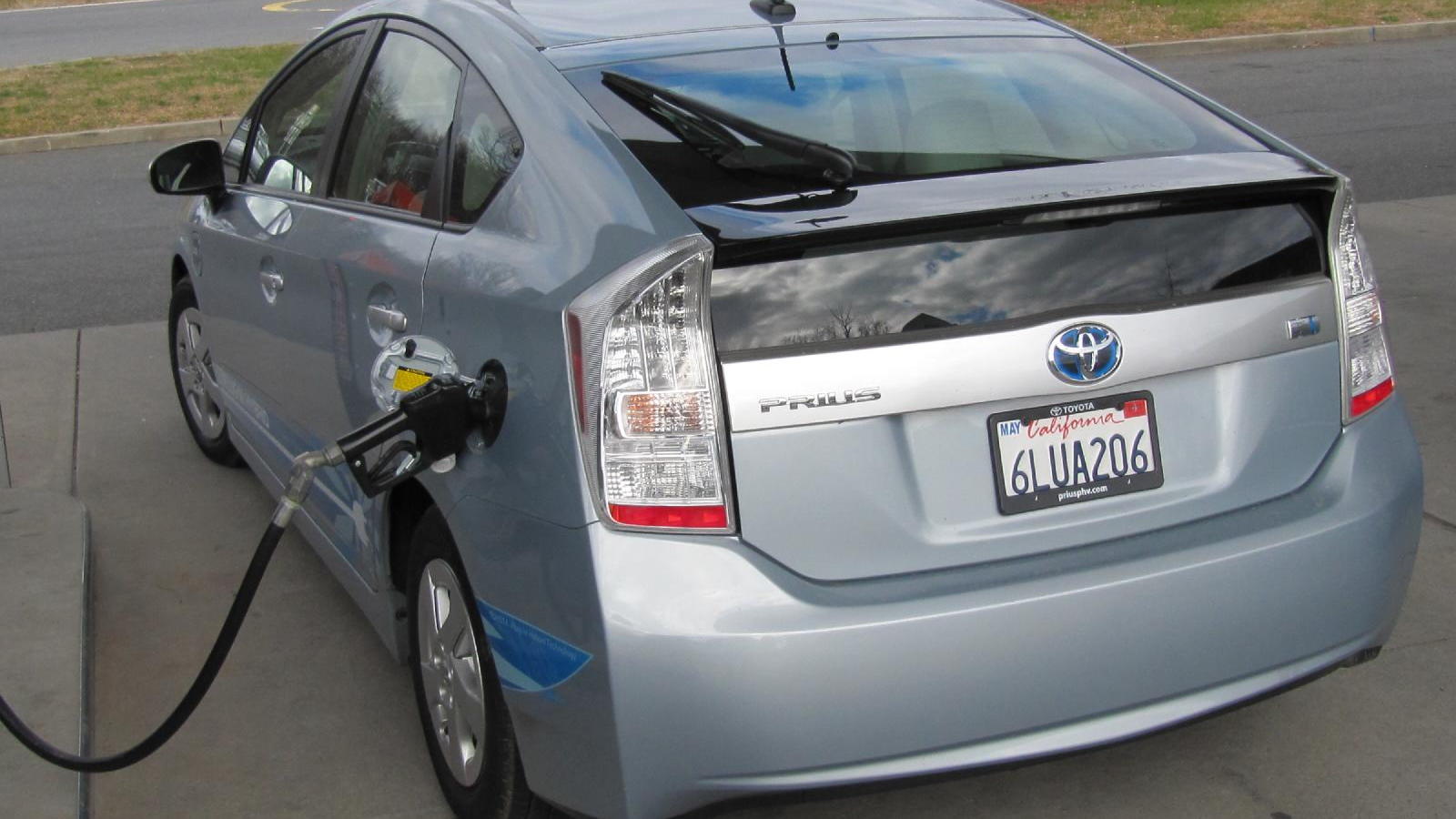
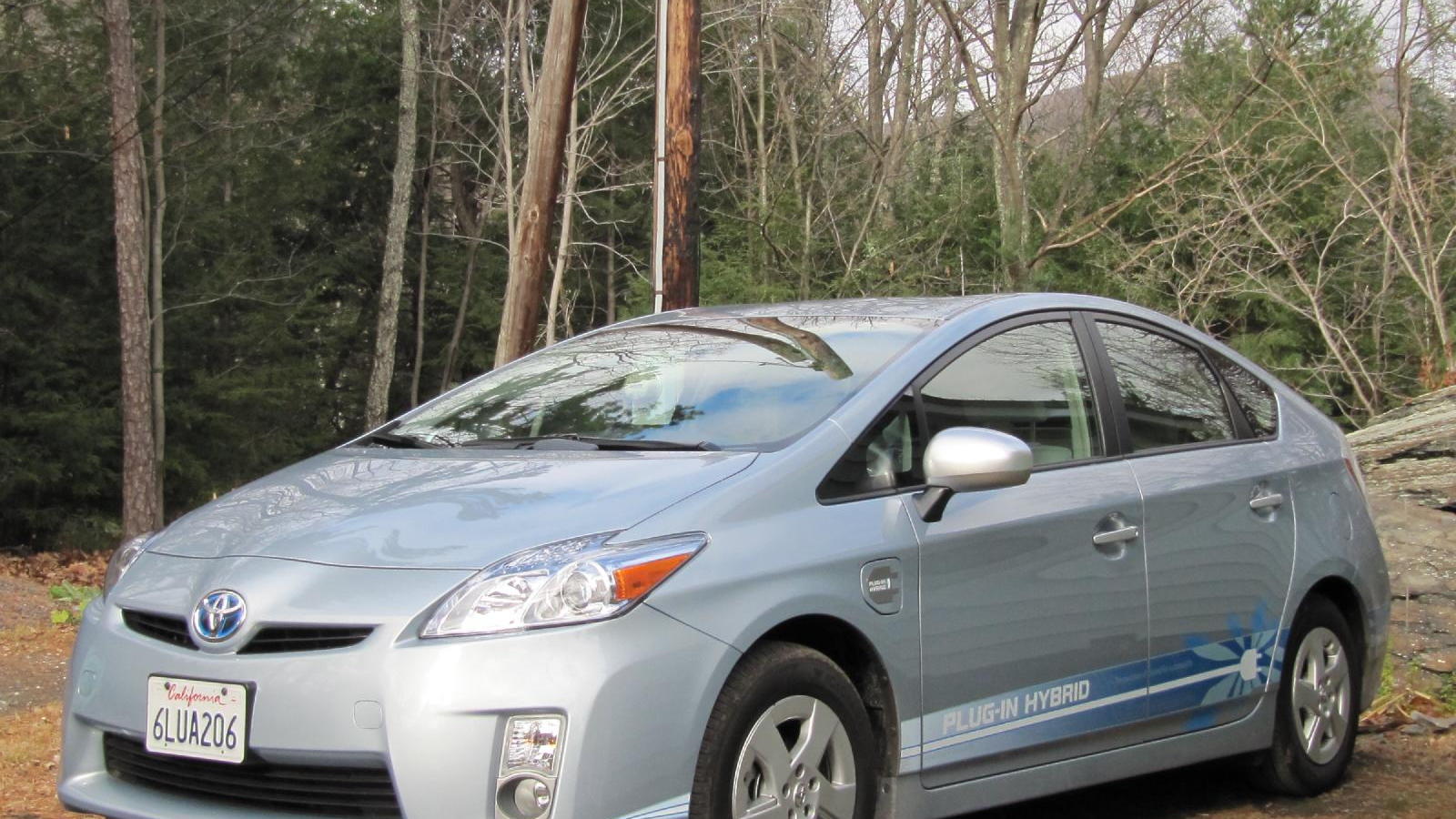
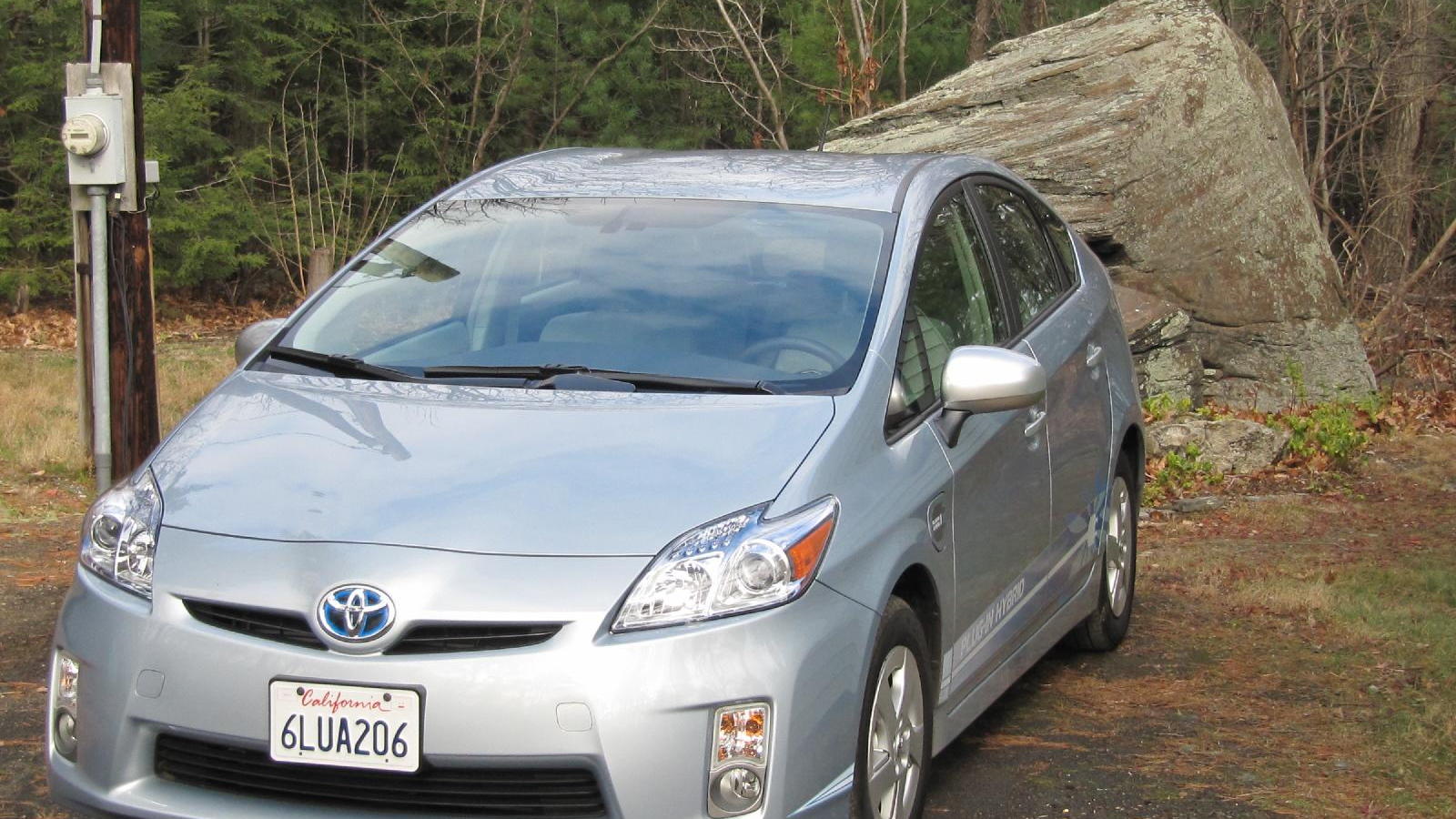
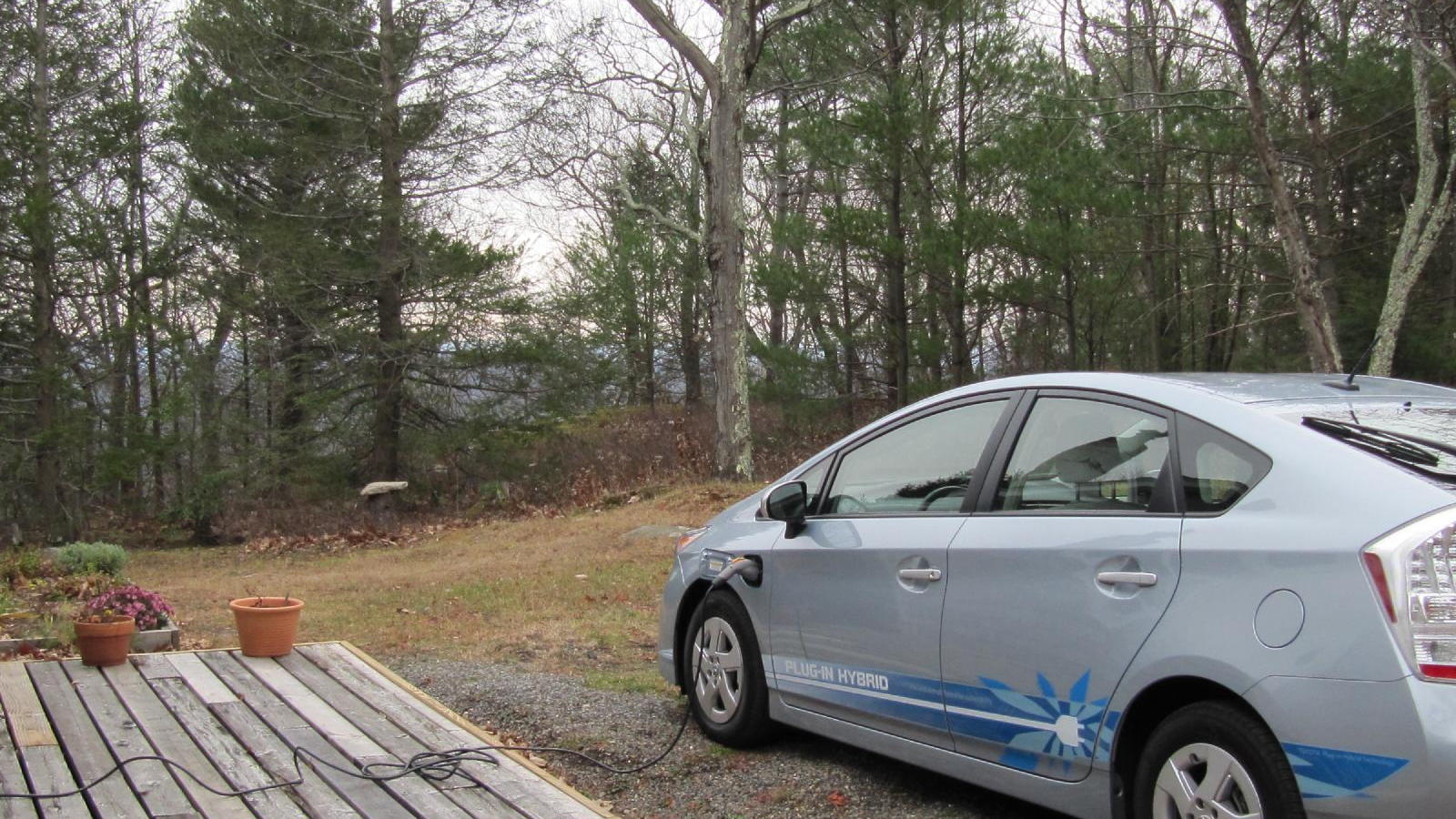
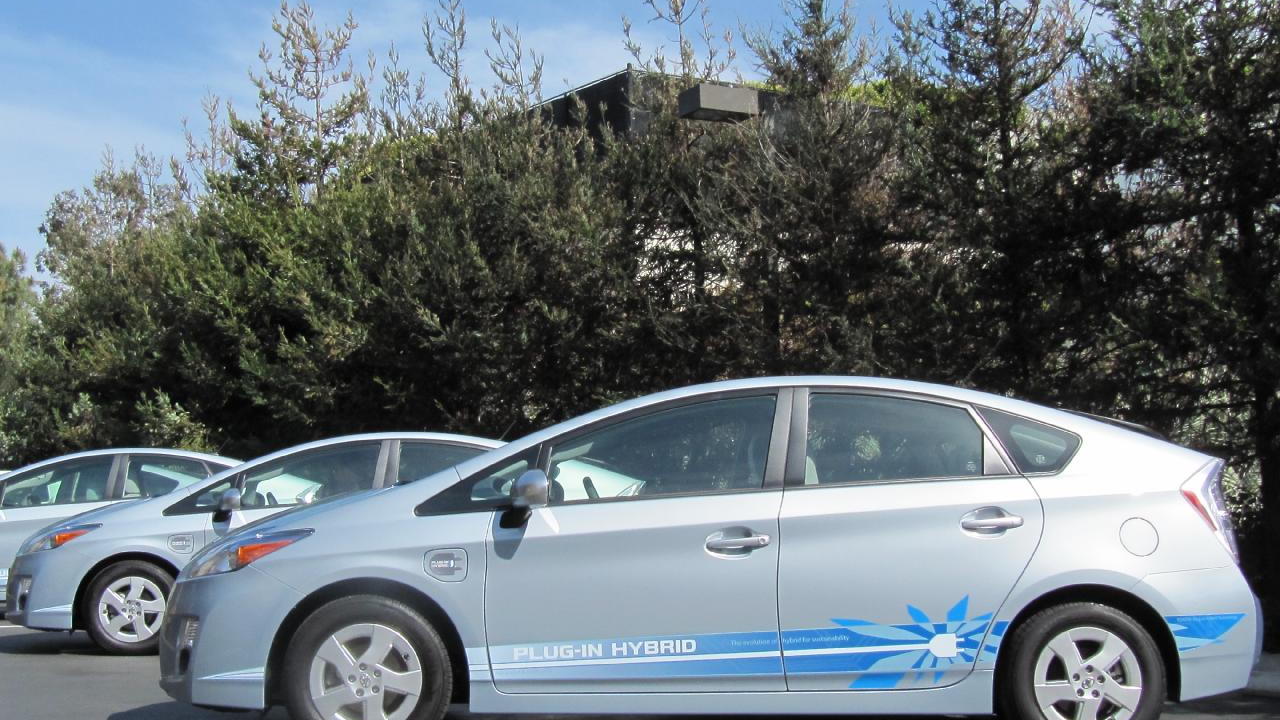
Toyota Prius Plug-In Hybrid prototype, tested in November 2010
The 2012 Toyota Prius Plug-In Hybrid isn’t set to go on sale until early next year, but we already know quite a lot about the car.
This is mostly thanks to the fleet of Prius Plug-In Hybrid prototypes running around the country, an early version of which we drove back in 2010. However, some new details of the production car were revealed during a recent press event for the 2012 Toyota Prius V.
After analyzing some of the feedback Toyota received from drivers of Prius Plug-In Hybrid prototypes, the company reportedly decided to make several tweaks to the car before its official launch next year.
Mode selection for drivers
Designed to help overall efficiency, especially on the highway, the changes are said to include the addition of a button that lets drivers choose either an electric-only mode or a more traditional hybrid mode that will blend engine and battery power from the start.
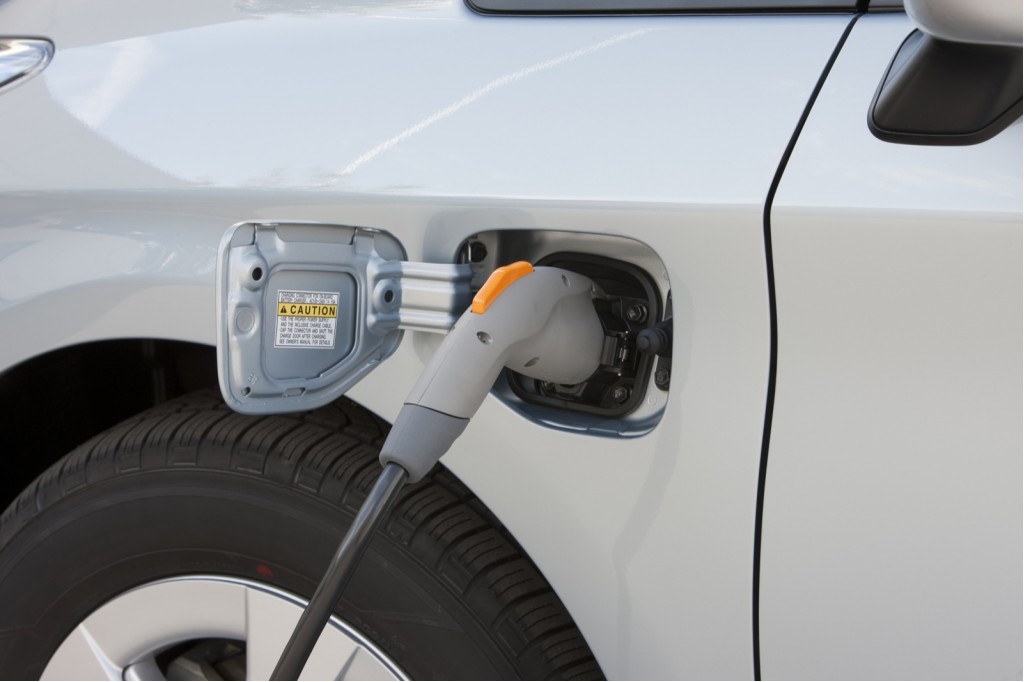
Prototype Prius plug-in hybrids defaulted to electric-only mode whenever drivers started them up, and stayed there as long as there was enough charge to drive the car in electric-only mode.
That meant the battery pack depleted itself during the first 10 to 15 miles of driving, and then the Prius Plug-In reverted to behaving like a regular Prius.
That was fine for around-town driving, where electric-only mode is ideal, but bad for highway driving as the higher speeds quickly sapped the battery.
Now drivers will have the opportunity to select which mode they want, to conserve battery charge for its best use: lower-speed driving around town.
Full pack recharging
Equally important will be the ability to fully recharge the whole battery pack--including for electric-only driving--using the car’s regenerative brakes.
Originally, the batteries in the Prius Plug-In Hybrid would deliver 9 to 15 miles of most electric driving before the gas engine kicked in. Once the pack depleted, however, there was no way to recharge the full pack--only the third of the pack that mimicked a regular Prius's pack would recharge.
To charge up the entire battery pack, drivers had to plug the car into a 110-Volt power outlet for 2 or 3 hours.
Now, however, the car’s regenerative mode will reportedly be able to top up the full energy capacity of the pack, greatly extending the electric-only range--a feature the Prius Plug-In Hybrid prototypes don’t have.
Hints of changes a year ago
Toyota technical trainer Dave Lee had hinted more than a year ago that this would be the case, after questions from reporters about this odd omission.
"I would anticipate us making a change," Lee said after media previews of the prototype plug-in Prius fleet . It "would make sense" to use regenerative braking for the complete battery pack, rather than switching on the engine. "What we have in this car," he said in May 2010, "may not be what we offer going forward."
Note that these are just two of a number of tweaks Toyota is planning, though the rest are being kept secret for now.
+++++++++++
Follow GreenCarReports on Facebook and Twitter.
Have an opinion?Join the conversation!
Great to hear that the Plug-in Prius can fully recharge the pack, assuming that you have a long enough hill to do that.
Now, if only we could get a price on that Plug-in Prius.
significant effect. And exactly how could it? The regen harvested is due to braking and will be used for the acceleration to follow, and should be less, not more than would be required. The only time one would ever get lots of unneeded regen would be going down a mountain. Now how often do people do that? Another issue is why there is the belief
that using battery power in stop and go is better than using it in highway mode. The Prius gets exactly the same gas mileage in both city and highway. I'd say Toyota should stop listening to customer comments and suggestions - they are increasing the cost of the car without any evidence that anything is being
accomplished.
The newly-added mode switch will let an owner tell the car, "OK, I'm now going onto higher-speed roads, switch back to being a standard hybrid," and save the EV mode for lower-speed or more gentle usage--where it can deliver more miles of travel.
That's my understanding, anyhow.
As we know, it take more energy to drive at high speed than at lower speed. So perhaps the Plug-in Prius gets 8 miles on the highway and 14 miles in the city (EV mode).
But I don't see what is gained by holding the electric energy in reserve for use in the city. Sure you can get 14 miles electric to brag about rather than 8 miles, but you may have used the same amount of gasoline either way on that trip.
So is this just about bragging rights, or is it actually more efficient to drive on the highway in hybrid mode followed by EV in the City versus the other way around.
I feel like I am missing something.
1. There are times when the battery is so full that any regenerated current is lost and thus wasted. A larger battery capacity to receive regenerated current would avoid that.
2. Only about half of the energy from regeneration is actually captured but this is all gain since the energy lost in heat from friction braking is ALL lost.
This is all about small gains in efficiency. This certainly means a small increase in an already good fuel economy. The long down hill is usually accompanied with a long and balancing uphill. The ability to capture some of the energy which would have been lost on that down hill is a rare and added benefit.
Little things matter.
1. Sometimes regenerated current is lost because there battery has no space for it. A larger battery would avoid that problem.
2. Only about half of the regenerated current is actually captured. But that is all gain since ALL of the energy )in the form of heat) is lost from friction brakes.
This is all about small gains in efficiency. This should add a small increase to an already good fuel economy. Most long down hills are connected with a long and balancing uphill. To be able to capture otherwise lost energy is a rare but welcome advantage.
Small things matter. They add up over time.
Have an opinion?Join the conversation!