Charge Anxiety, the fear that your electric car won’t charge up as quickly as you need it to may be one step further away if you’re a 2011 Nissan Leaf owner willing to throw caution to the wind and hack your $25,000 bundle of joy.
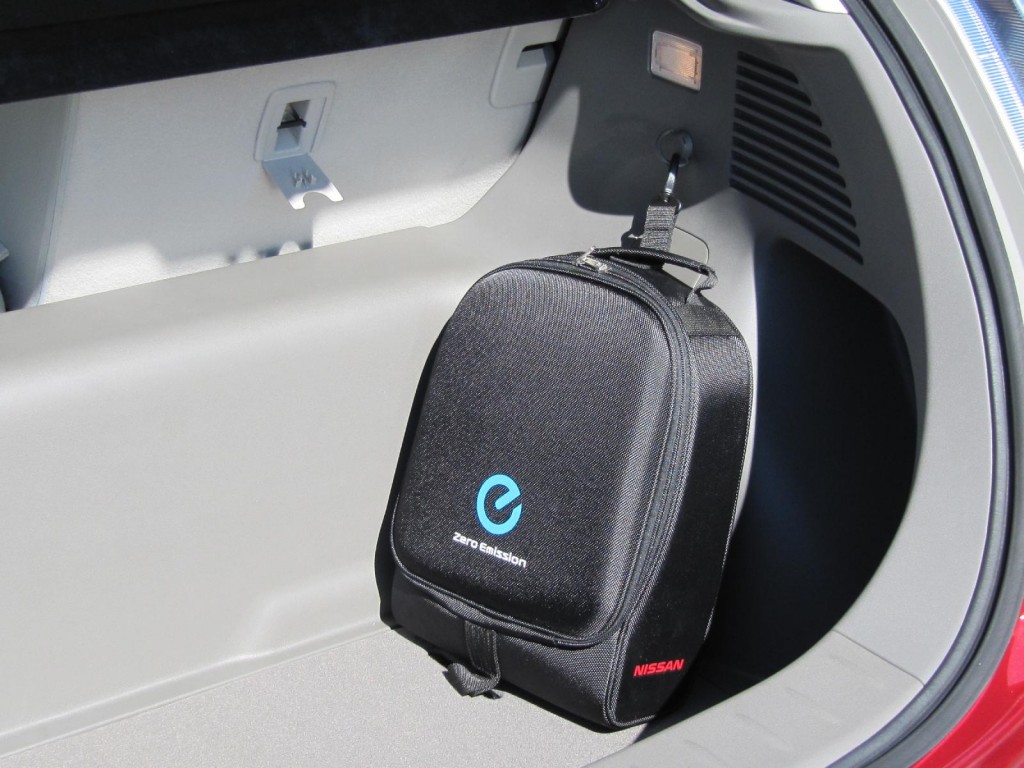
At least that’s the message coming from a select group of 2011 Nissan Leaf owners who feel that the included portable Level 1 Electric Vehicle Supply Equipment (EVSE to those in the know) that comes with the electric five seat family hatch isn’t quite up to the job.
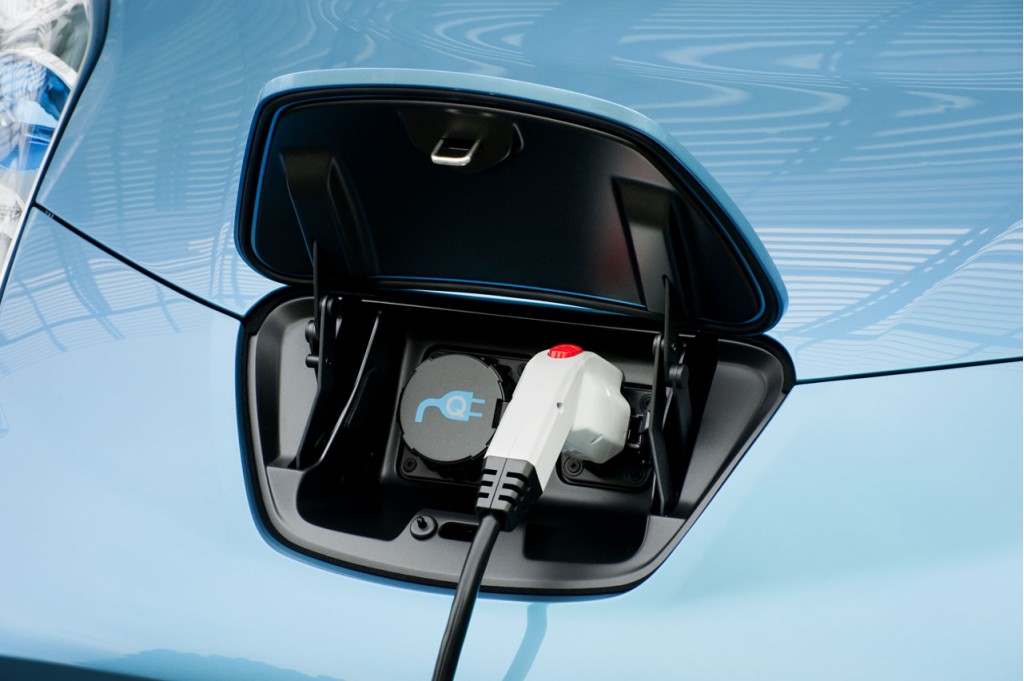
In a move as predictable as the changing of the seasons, a group of hardcore EV enthusiasts have taken the standard 110V Level 1 ‘portable EVSE’ that ships with every Nissan Leaf and hacked it to support 220V Level 2 charging.
The Desire to be Free
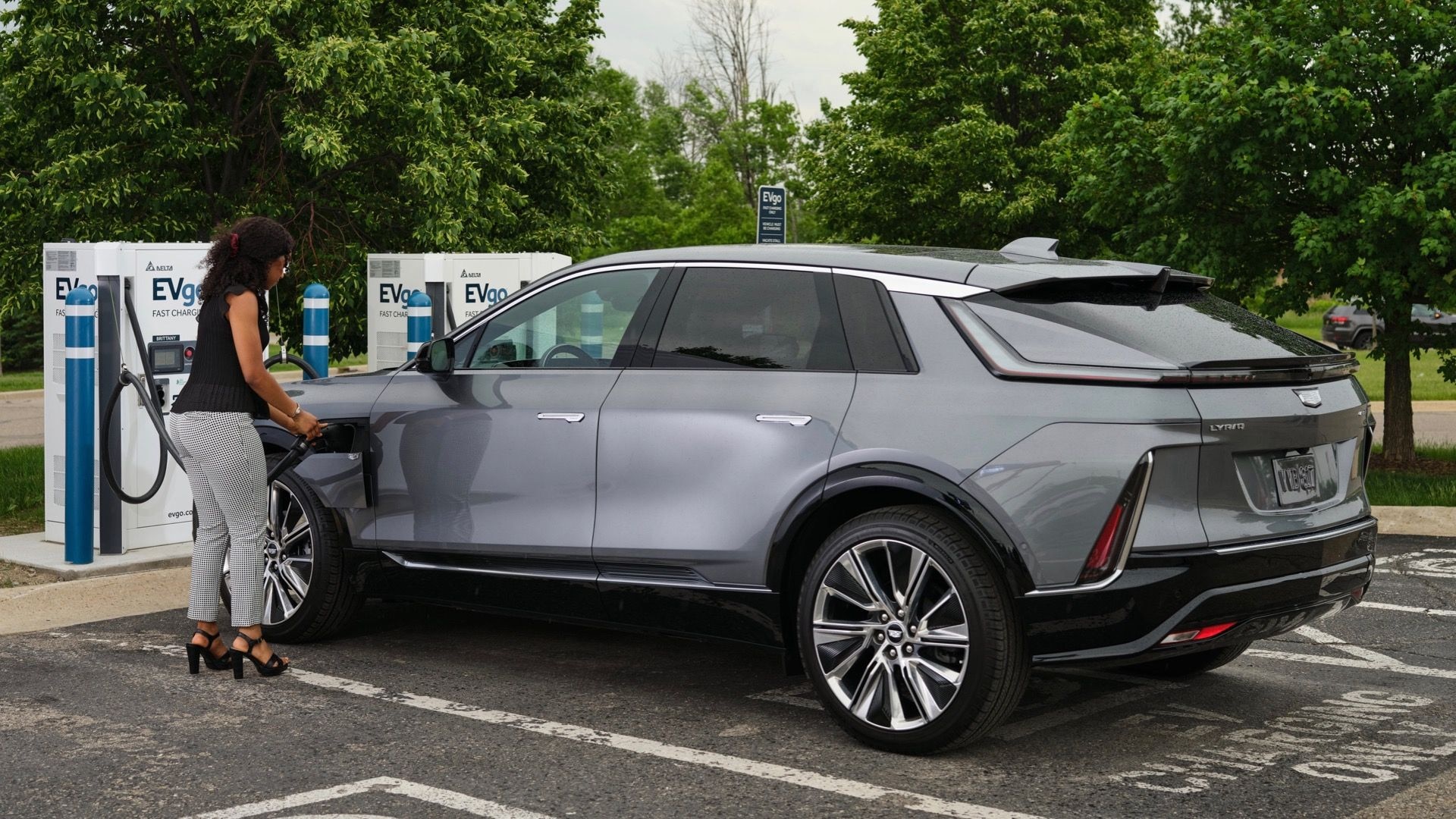
In an ideal world, EV charging points would exist everywhere, from freeway rest stops through to the local grocery store. But while dedicated Level 2 and Level 3 charge stations are still being implemented, owners keen to take their Leafs outside of the urban jungle are stuck with a question. Where to charge?
While their Tesla-owning brethren have been enjoying the freedom to access reasonably fast charging wherever power presents itself courtesy of the $1500 Universal Mobile Connector, drivers of the 2011 Nissan Leaf and 2011 Chevrolet Volt have been forced to charge from domestic 110V outlets when a specialised charging station could not be found.
For the Leaf, that equates to little more than a few miles for every hour plugged in, and a total charge time expressed in double digits.
An Impatient, Yet Functional Solution
In a short few months, several firms are promising factory-built portable EVSE that can charge an electric car at level 2 up to 32 Amps.
For now though, the lack of portable Level 2 EVSE on the market prompted the investigation. Could a factory-built portable EVSE Level 1 unit be hacked to produce a portable Level 2 unit?
If initial tests are anything to go by the answer is a resounding yes. By adding appropriate ‘pigtail’ connectors to a modified EVSE, Leaf owners have the chance to charge up wherever they find a 110V or 240V outlet, regardless of the socket type presented.
Void Your Warranty, Screw Your Insurance
Let’s be completely frank. We knew it would only be a matter of time before someone somewhere hacked their factory-built EV.
But while we’re fans of the traditions of electric vehicle ownership where people tinkered in their workshops late into the night to produce some truly amazing and versatile converted electric cars, factory built EVs are a whole different matter.
Just like anyone who converts their Toyota Prius into a plug-in Prius there are inherent dangers to modifying an EVSE.
Not only is it possible to do harm to the EVSE unit, but an untested modification like this could even destroy all or part of your car. A single error in execution in such a modification could result in a very expensive paperweight.
As a hobbyist, mistakes and errors are part of the fun of building an electric car. They’re an inevitable part of the process, something this author has learnt many times.
But while most do-it-yourself EV projects are reasonably simple to fix even without a warranty, the Nissan Leaf is a complex and expensive car to fix when things go wrong - especially if you just voided your warranty
Conclusion
If you want an EVSE you can take with you for your 2011 Nissan Leaf that costs a whole lot less than the ones predicted to come to market soon, or you just want to satisfy some nomadic instinct the modification is just for you.
But, and it is a big but, you risk voiding your car’s warranty, damaging your car and even perhaps yourself. We think waiting for a commercial unit would make more sense, unless you are an accomplished electric engineer or are willing to take the consequences if things go wrong.
Modifying your EVSE? It seems to work and it's cheap. But don't expect Nissan to help you if things go wrong. Consider yourself duly warned.

Have an opinion?Join the conversation!
If it is in spec, well, they've just halved their charge time. Not a bad upgrade.
By HankHillNeedsALeaf Posted: 2/22/2011 7:49am PST
I've been trying to win a Nissan Leaf through a video contest they are running and I'm excited at the prospect of having a vehicle that I can charge at anyones 110v outlet while I'm shopping. The hack seems to aggressive for my needs. If you have a moment, please vote for me:
http://goo.gl/jITAw
and tell your friends to vote:
http://HankHillNeedsALeaf.com
By Ingineer Posted: 2/22/2011 8:24am PST
Additionally, in the US it would be difficult for Nissan to attempt to void your warranty for using any EVSE, just as it would be if you used a different brand of tires. (see the Magnuson-Moss warranty act.) Of course, the warranty would be void on the EVSE itself if it is upgraded, but this cannot affect the car.
For those that don't know; the EVSE is basically a "smart" power cable, it is not a charger! This means that there is no processing of the input power, rather, it is simply passed through to the car. The EVSE's job is safety; it is mainly to protect the humans that connect and disconnect the cable, sometimes in wet or other dangerous environments. It also instructs the real charger which is located in the car, to adapt to the power capabilities that the local electrical system can provide. In other words, if the local power supply is only capable of 10 amps, the EVSE "tells" the car charger to only use up to 10 amps.
(continued below)
By Ingineer Posted: 2/22/2011 8:25am PST
Our EVSE upgrade has been thoroughly tested and meets all the safety standards as originally designed. None of the critical power handling components have been changed.
I'd like to also be clear, you cannot put voltages over 120V into the stock unmodified EVSE, as it will fail and you will be left with a dead unit.
Also, just to be inform; Power systems in the US use 120v or 240v, and have been that way for a long time. "110 volts" hasn't been in use since before WW2. (disclaimer: you can find 208v in certain industrial power systems, but our EVSE upgrade will auto-adujst for this voltage as well.)
By Mike Posted: 2/22/2011 8:25am PST
By evchels Posted: 2/22/2011 9:19am PST
By JRP3 Posted: 2/22/2011 10:29am PST
I know from first hand experience what happens when a stock vehicle is modified or connected with a modifed EVSE without full safety measures being implemented: a non-functioning vehicle with an expensive repair bill.
Just like playing with a gasoline engine if you don't know your stuff, playing around with an electric car can be dangerous.
If you re-read, we're saying that for most consumers it may not be a smart move. For those who like to tinker, or understand what's happening then it's perfectly okay.
By Tom Moloughney Posted: 2/22/2011 11:22am PST
If Joe 'Have-a-go' starts hacking we may have a PR nightmare; the EV will get the blame not the hacker.
@Tom; didn't know the MINI E portable charger could do that - nice, & congrats on getting the last word on the BMW vid!
By Michael Walsh Posted: 2/22/2011 1:00pm PST
Oh, and if you would be so kind as to not use my (non-public) YouTube videos without express permission.
By Mike Posted: 2/22/2011 1:46pm PST
We're sorry to have caused you any upset over this, but would like to point out that as you had publicly published the video on a public Internet forum before we embedded the video (and had not prevented re-embeding the video from Youtube) that you had decided to make the video public.
We would very much like to formally ask for your permission to embed as we feel our readers would be interested in your experience.
By mike Posted: 2/22/2011 2:12pm PST
By Gav Posted: 2/22/2011 2:19pm PST
If the author didn't want people watching and talking about his hack, he shouldn't have put it on the slightly popular and open thing called the internet.
By mwalsh@smad.com Posted: 2/22/2011 2:21pm PST
By JRP3 Posted: 2/22/2011 4:38pm PST
More likely the Pearl fire was the result of the BMS not shutting off the charger when the batteries were full. That specific BMS caused charging problems in another Qashqai from the same conversion company, the one that went around the world. In that case I believe the BMS would not allow the charger to operate at it's rated capacity, causing long recharge times. (Of course that's a better failure mode than what might have happened on the Pearl.) I don't think they use that BMS any longer.
Other than an over heated plug from a poorly made connection I'm not sure the EVSE hack could do anything other than either work properly or throw an error code and prevent charging. Certainly if you can't properly wire a plug you have no business messing about with electricity.
By KeiJidosha Posted: 2/22/2011 5:10pm PST
By turbofroggy Posted: 2/22/2011 6:55pm PST
http://www.youtube.com/watch?v=zzwgkfj43PE
By Lad Posted: 2/22/2011 7:35pm PST
That would be some serious mod. You have to change the charger and bms control firmware.
However, as other smart people have pointed out here, there is no way an EVSE can overcharge or even put more current into the car the the car's intelligent charger dictates. To be ultra clear: the EVSE simply is a safety device that just insures people don't get hurt and breaks power for connect/disconnect so the connector life is not impacted. It does not modify or process power in any way, it simply passes it through. The real charger is in the vehicle and it has all the intelligence. The EVSE does indeed request that the car to limit it's power usage to whatever is safe for the local power supply.
In our upgrade to the Nissan L1 EVSE, we did not modify the pilot signal request that's sent to the car, so the amperage has not been increased. Also; the relative voltage over ground is still only 120v. There is almost zero chance or anything bad happening. I bet my livelihood on it! =)
Shame on you for disseminating false information!
By Lad Posted: 2/24/2011 1:08pm PST
Yes you are right about the need to replace the charger and we know that; however, the Leaf doesn't have a separate BMS, the charger takes care of over charging, etc. Adding a 6kw charger and removing the current 3kw charger plus a understanding of the associate circuits to allow a hack is all you need. And believe me it will be done. Also, I expect to see someone build a tow-along trailer to increase the mileage, perhaps with a genset. If one wants better performance, a different motor and or a upgraded controller would do the job. The Leaf is a platform just crying to be purpose engineered.
By AndyH Posted: 3/17/2011 8:44pm PDT
Thanks.
Have an opinion?Join the conversation!