Advertisement

Why Custom Rims Won’t Go Down With Your Electric Ride

 
Follow Nikki

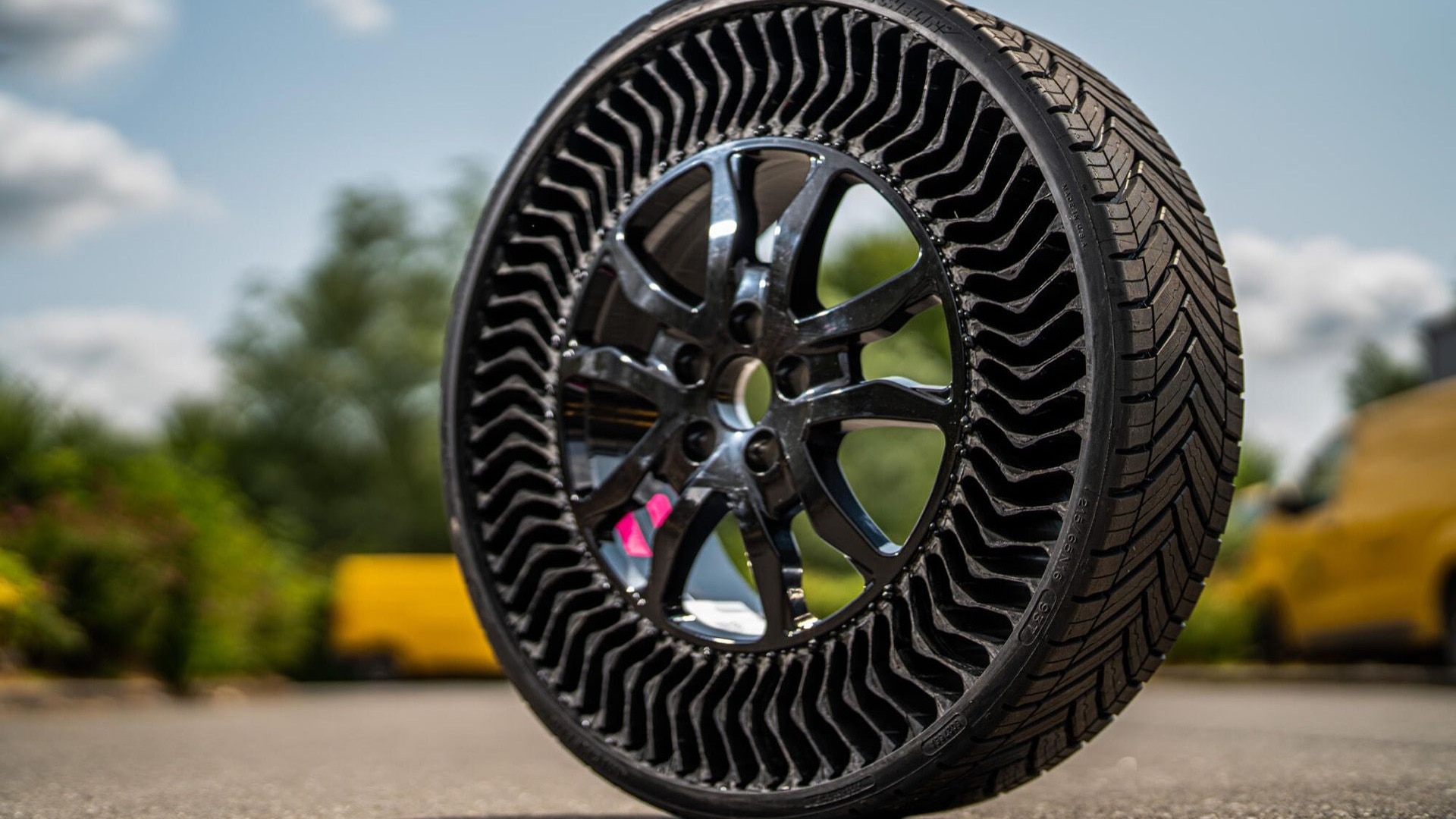
Michelin EV tire

Michelin EV tire

Enlarge Photo

Customization has been a part of car ownership ever since Henry Ford told customers they could have any color “as long as it’s black.” But while lightning bolt graphics and a kick-ass sound system may be part of your electric car dream, a new set of pimped out shoes could put your cruising to a premature end.  

Physics 101: Rolling Resistance

Before we delve into the world of custom rims, fat tires and improper inflation we need to briefly explain a term which physics uses to define the relationship between a moving object and the surface it is moving along:  rolling resistance. 


In the case of a car tire, rolling resistance is the energy lost due to friction between the tire and the road. The higher the rolling resistance, the harder the car has to work to move itself along. The lower the rolling resistance, the less energy is required. 

Today, every car tire on the market from low-riding sports tires to chunky off-road mud-munchers has a measured rolling resistance which is used to give the tire its own efficiency rating.

2011 Nissan LEAF prototype

2011 Nissan LEAF prototype

Enlarge Photo

"Energy Tires" - Lowering Rolling Resistance

As with any vehicle designed to be energy efficient, electric cars are designed to use as little energy as possible when driving along. The less energy they use, the further you can travel per charge. 

But while a lot of electric car economy is down to how the car is driven, its tires also play an important part in improving range. 

Lowering the rolling resistance of an electric car’s tires reduces the energy consumption per mile, and allows the car to go further. 

As a consequence, nearly every electric car on sale today uses specially designed tires, giving the driver as much grip as possible without detriment to range. 

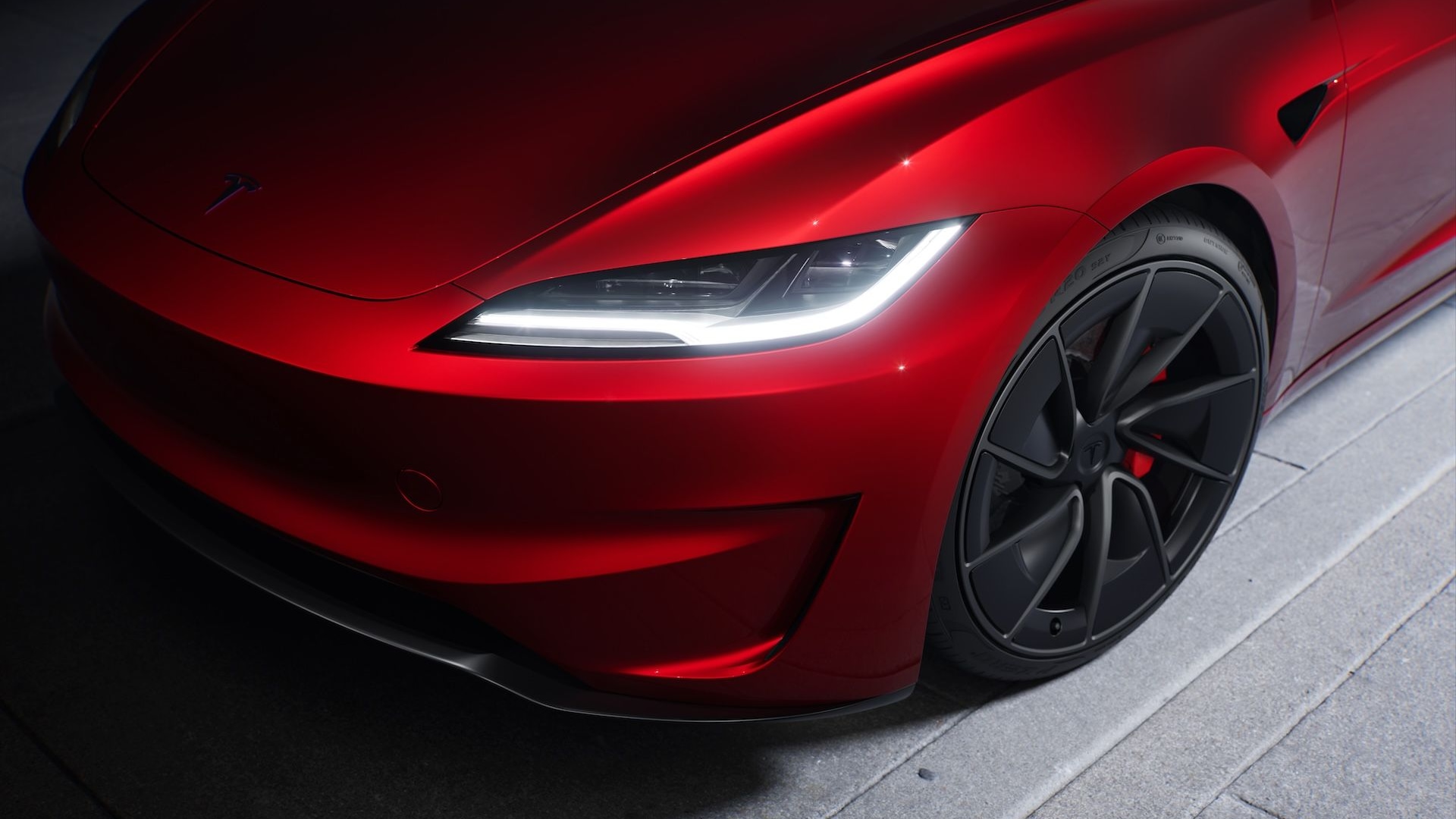
Custom Wheels

We love custom wheels, but when it comes to fuel efficiency you’ll need to weigh up the pros and cons of switching those factory-spec rims to something a little more flashy. 

Why? Because custom wheels almost invariably involve larger diameter tires than stock, with wider track and more physical rubber to put down on the road. 
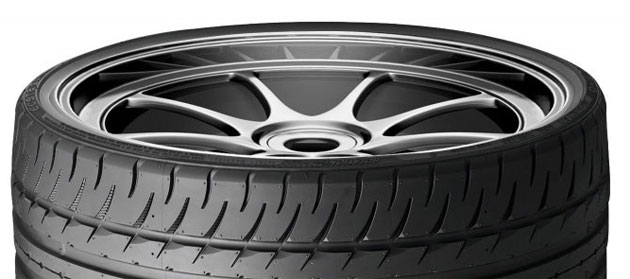
Kumho Ecsta SPT KU31

Kumho Ecsta SPT KU31

Enlarge Photo

What does that lead to? You’ve guessed it: increased rolling resistance. 

Not only that, but as far as we know there isn’t a particularly energy efficient tire available for a 22 inch custom rim. 

Finally, ride quality is often comprised too, turning a comfortable sedan into a bone-shaking pimped-out boom box overnight. 

Check Before You Buy

We’d love to see a range of custom wheels built with low-rolling resistance tires in mind, but for now we don’t think they exist. If you know differently, please let us know in the Comment section below. 

For now, however, we think customizing your electric car is probably going to stop at some fun decals, an upgraded sound system, a flashy respray or perhaps window tinting. 

And if you really do want custom wheels, make sure you do the math before you buy and ask yourself if range is more or less important to you than standing out from the crowd. 



Follow Us


Have an opinion?

  • Posting indicates you have read this site's Privacy Policy and Terms of Use
  • Notify me when there are more comments
Comments (10)
  1. You can still put custom wheels on an EV, you should just keep efficiency in mind. You can still put on a larger rim size, it's the tread width and tire type that you need to pay attention to. I'd suggest picking the rim size and style you want BUT, try to keep the tread width the same as the factory wheels your taking off, so that your still staying fairly close to factory spec. And make sure to pick tires that are purposely made for reduced rolling resistance, which are already on most factory made hybrids and EVs. I did notice the Michelin EV tire on BMW's Vision Efficient Dynamics Concept test mule. I'm sure that as tire manufactures like Michelin start making EV specific tires the custom wheel makers will design rims for them.
     
    Post Reply
    Vote
    Bad stuff?

  2. All I want is a freaking spare tire. C'mon Nissan, at least make it an option. Does the Volt have one?
     
    Post Reply
    Vote
    Bad stuff?

  3. What about studded snow tires?
    We are fine with the ranges these cars appear to have, I do not see why so much focus is put on 'range'.
     
    Post Reply
    Vote
    Bad stuff?

  4. I have a 98 Chevy S-10 factory built EV (it is the truck version of the EV1) that was customized before I bought it 2 years ago, including custom tires and rims. The lighter rims and high pressure tires help improve the range, but make for a rougher ride. I keep the tires at 60# but they can handle 75# Now all I need is replacement batteries, as the 26 NiMH made by Cobasys are used up. I'm waiting for the new technology batteries to hit the market, but not sure how I they will be compatible with GM's battery computer codes.
     
    Post Reply
    Vote
    Bad stuff?

  5. Please remove this article until you have learned the difference between friction and inertia.
    Thought experiment for you: What happens if your tires are completely frictionless (what your article proposes as the ideal)? They will spin and spin and spin and not go anywhere. It's kind of like driving on ice. Why do race cars use soft rubber tires that get sticky as they get hot? Because it INCREASES the friction.
    Now rotational inertia, that is, the force required to speed up and slow down a wheel, increases with the more mass you have further away from the center of the wheel. That is why bigger, wider tires put more strain on the engine. They require more braking force to stop and more power to get up to speed.
    But please, don't sully the name of physics 101.
     
    Post Reply
    Vote
    Bad stuff?

  6. I'm going to have to agree with David here. It is a question of inertia. So yes, you can go aftermarket wheels, especially if they are even lighter than the stock wheels. The lighter the better... same with the tires.
     
    Post Reply
    Vote
    Bad stuff?

  7. I have to agree with David and EV-fan. The article did seem off to me, there really is no reason you couldn't put custom wheels on an EV. The only time I've really seen a tire affect efficiency is when some people leave off-road tires on a truck or SUV while doing most of they're driving on-road, but I doubt you'd ever catch an EV driver being that stupid. I think we can all agree that the only real way you'd ever see performance issues from your tires custom or not, is through poor maintenance. Get a digital tire pressure gage and a small electric air pump, then all you have to do is check and fill you tires as often as possible. I check my tires once a week.
     
    Post Reply
    Vote
    Bad stuff?

  8. Most of the custom parts are designed for ICE engine cars. Duh... most of the cars are ICE cars.
    As the number of electric cars increase, the market for custom electric car parts will as well. Duhduh.
    As the markt for electric car custom parts grows, so will the number of vendors catering to that market. Duh, duh, dum, duh.
    Jack Rickard
    http://EVTV.me
     
    Post Reply
    Vote
    Bad stuff?

  9. Actually, David & EV-fan you need to take a class in physics and learn the difference between rolling friction and sliding friction. Reducing rolling friction to as low as possible is the ideal situation, that is why trains are so efficient because hard metal wheels on a hard metal track makes for an extremely low rolling resistance (rolling friction).
     
    Post Reply
    Vote
    Bad stuff?

  10. This article is a bit odd. Custom wheels can be had in narrow profiles and do not have to be 22 inches in diameter. Special rims for EV's do not need to be developed, just choose an appropriate size in the style you like, and mount an appropriate tire.
     
    Post Reply
    Vote
    Bad stuff?


Have an opinion?Join the conversation!

Advertisement
Advertisement

Find Green Cars

Go!

Advertisement

 
© 2013 Green Car Reports. All Rights Reserved. Green Car Reports is published by High Gear Media. Send us feedback. Stock photography by Homestar, LLC.