Despite thousands of automotive gasoline fires in the U.S. every year, we've pretty much normalized the risks of the highly explosive liquid that we use to fuel our cars.
But for electric cars, there's a whole new set of potential fears. One may be driving through water--it's not like tossing a toaster into a bathtub--and another may be the possibility of accidents, a concern particularly top-of-mind for emergency first responders.
Volvo, of all automakers, may be best positioned to alleviate any fears of errant electricity in crashes involving electric cars.
While Chevrolet has shown a photo of its 2011 Volt range-extended electric car after a barrier impact, Volvo's new CEO, Stefan Jacoby, puts it most bluntly: "We are the first car maker in the world to show what [an] ... electric car looks like after a crash".
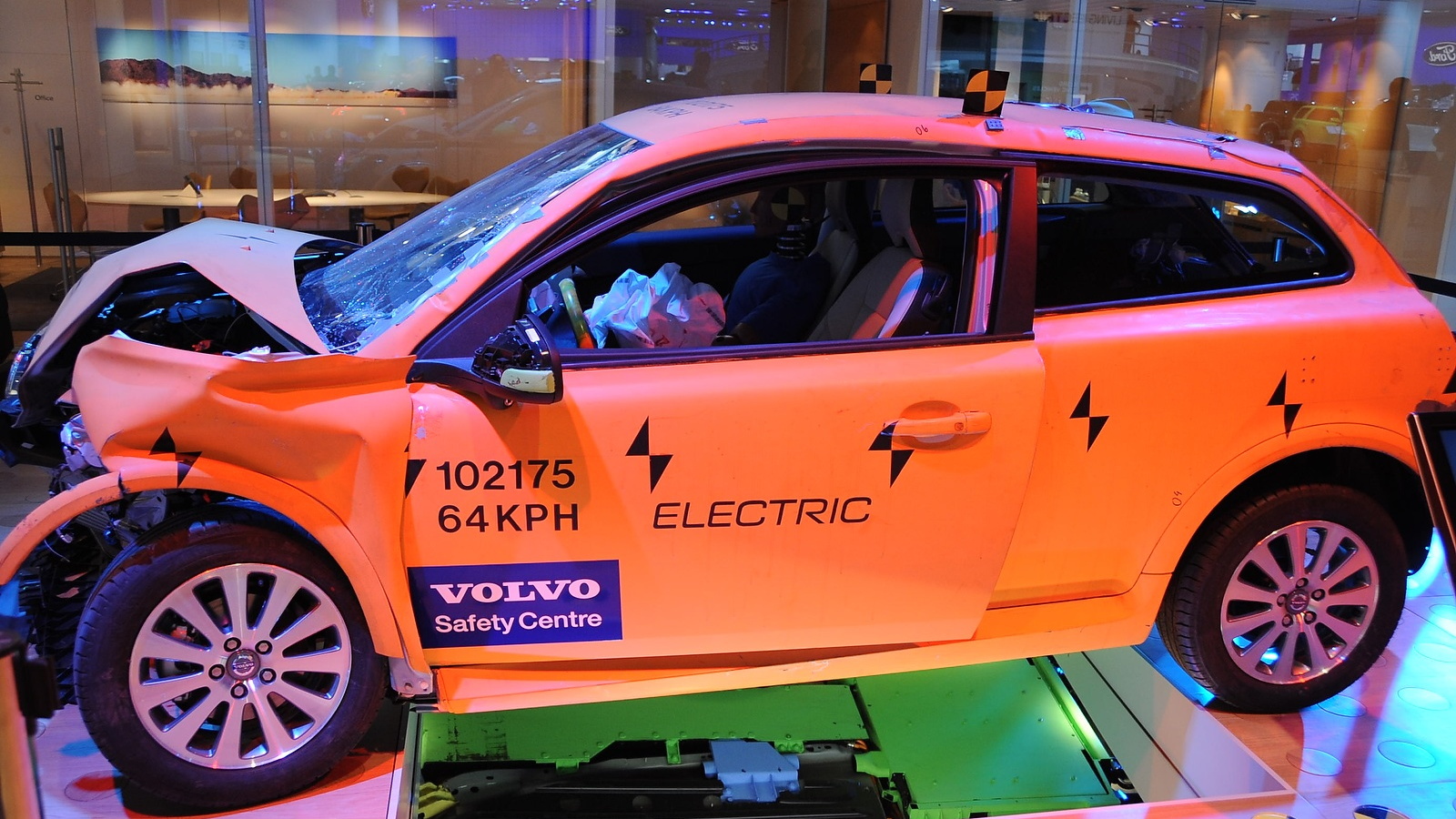
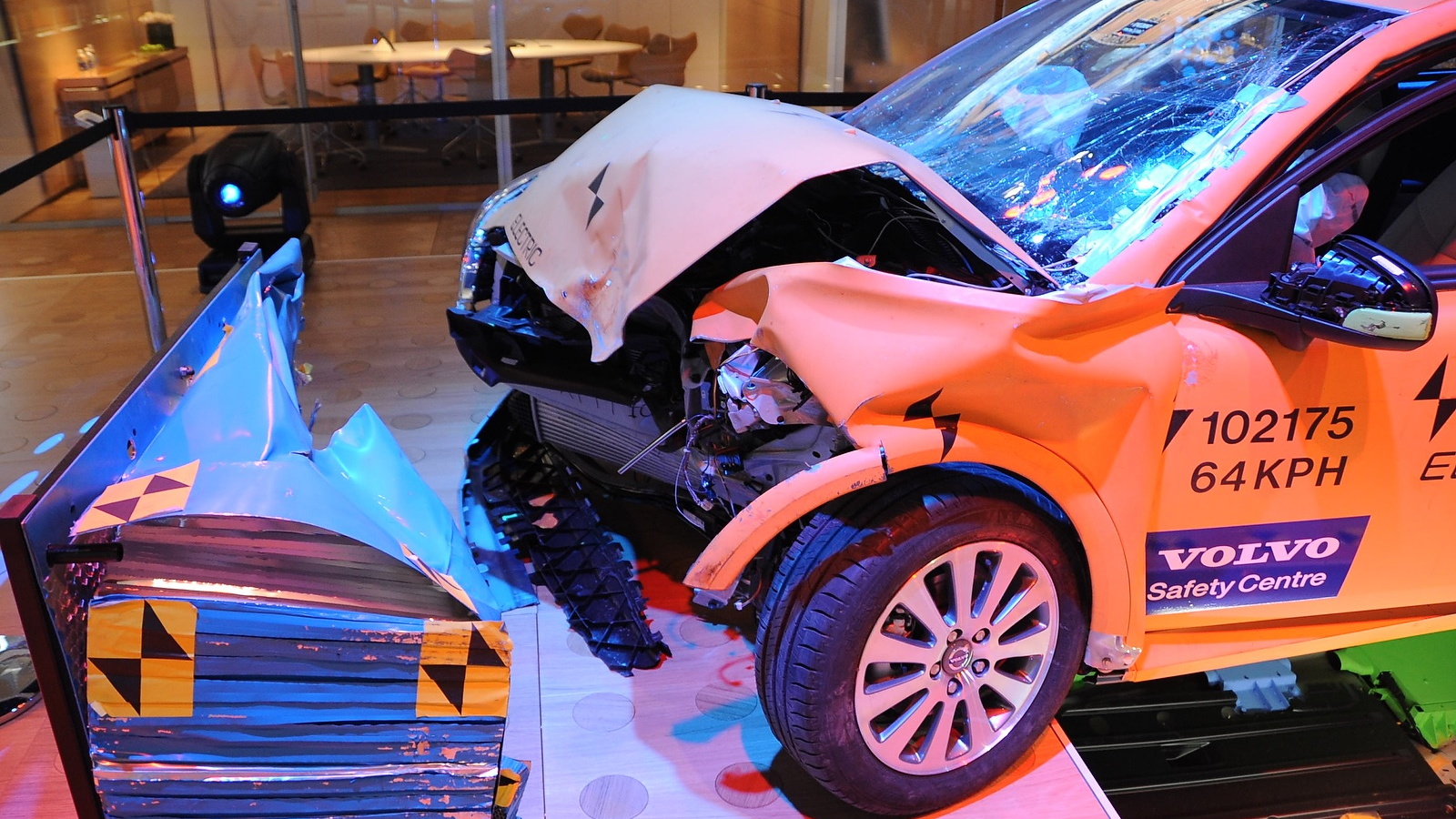
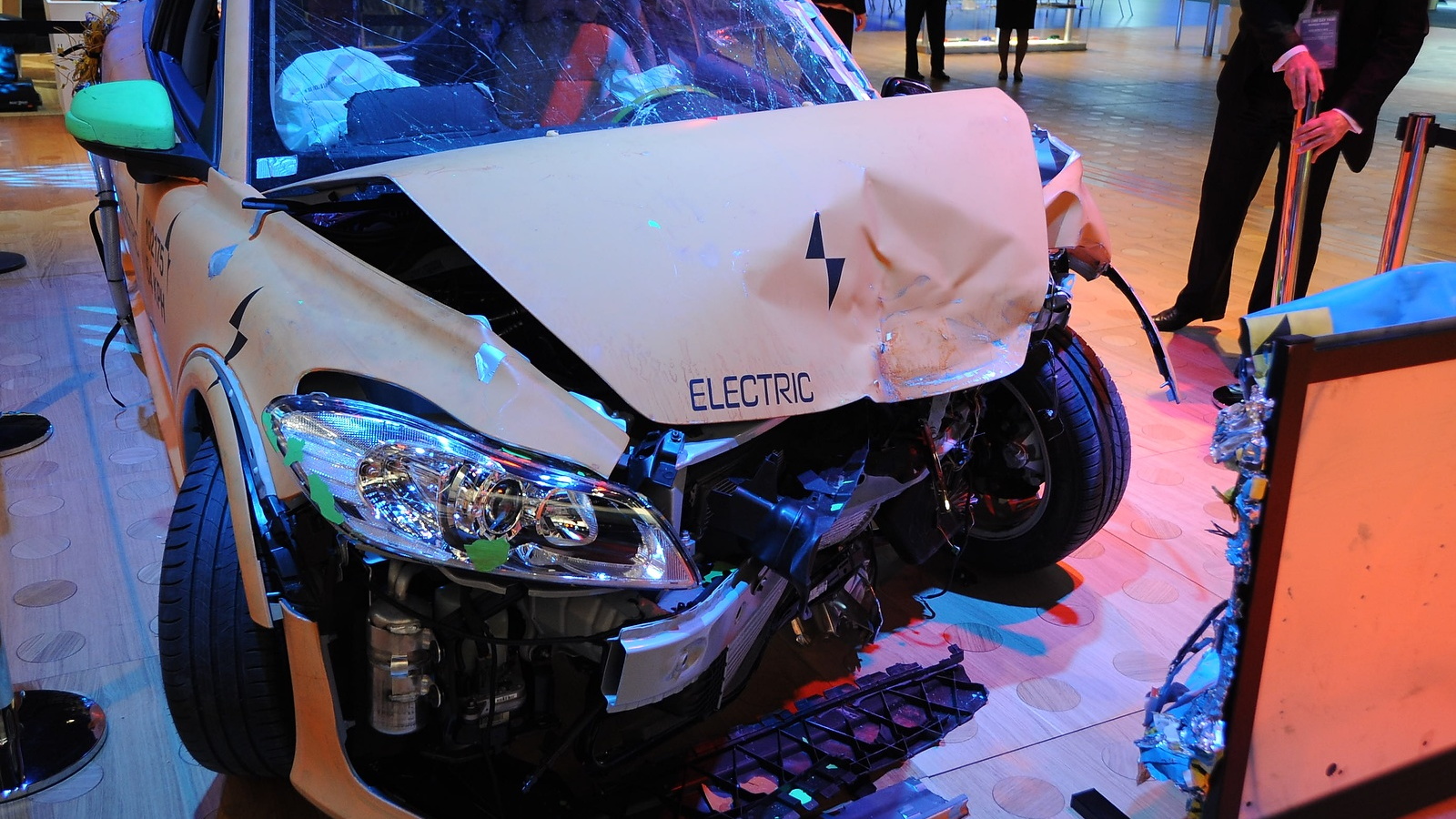
Its C30 DRIVe Electric, the compact hatchback it has converted to battery electric power, is its first all-electric car. And befitting its reputation for ultimate safety, it not only showed the car at the Detroit Auto Show, it also showed one that had been used for crash testing.
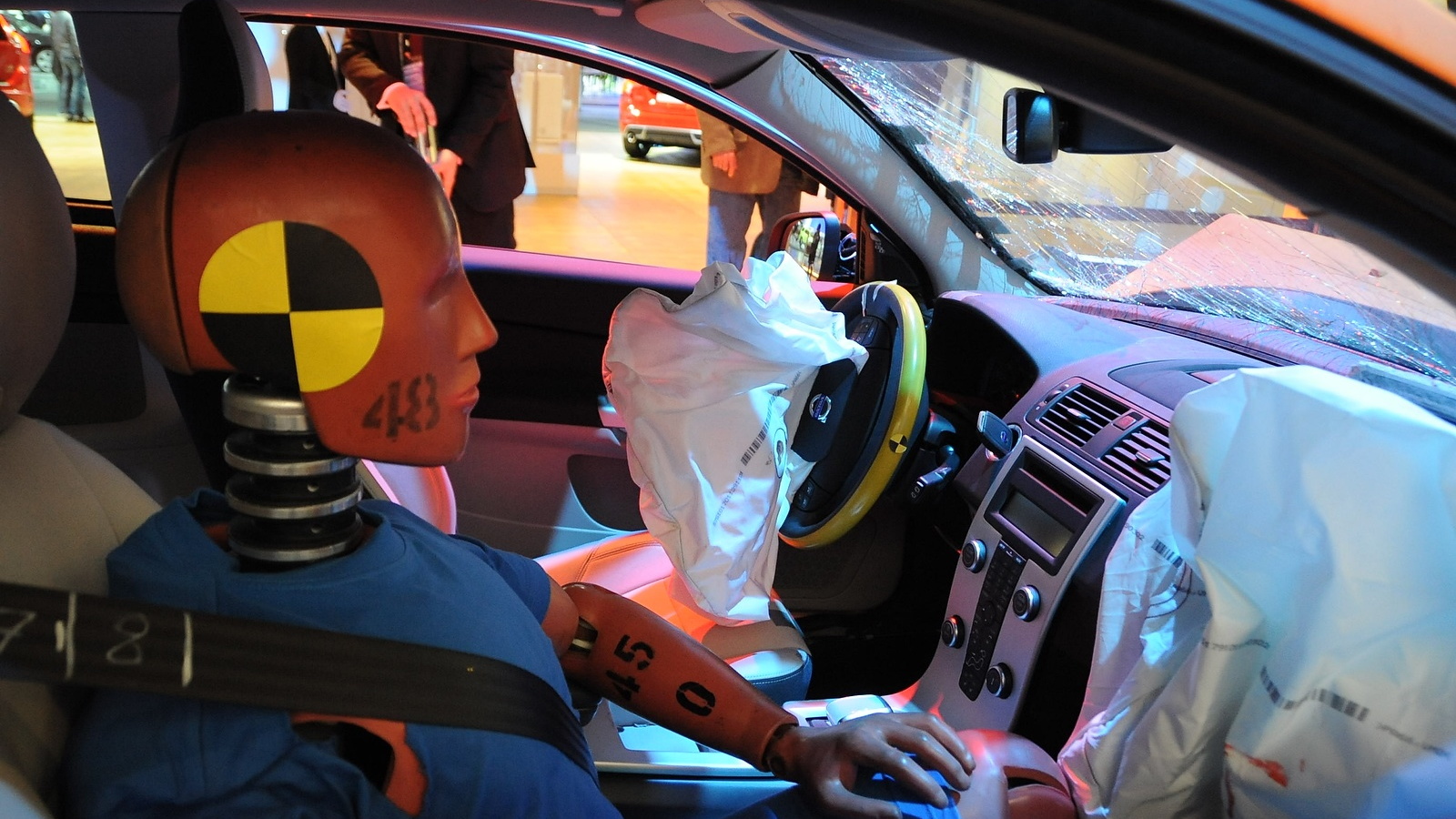
The wrecked C30 Electric on display at the 2011 Detroit Auto Show hit a barrier at 40 miles per hour, a standard element of European crash-safety testing.

Volvo C30 electric car after crash testing, shown at 2011 Detroit Auto Show
Just for good measure, Volvo also posted a video of the crash test itself, in the usual slow motion (see below).
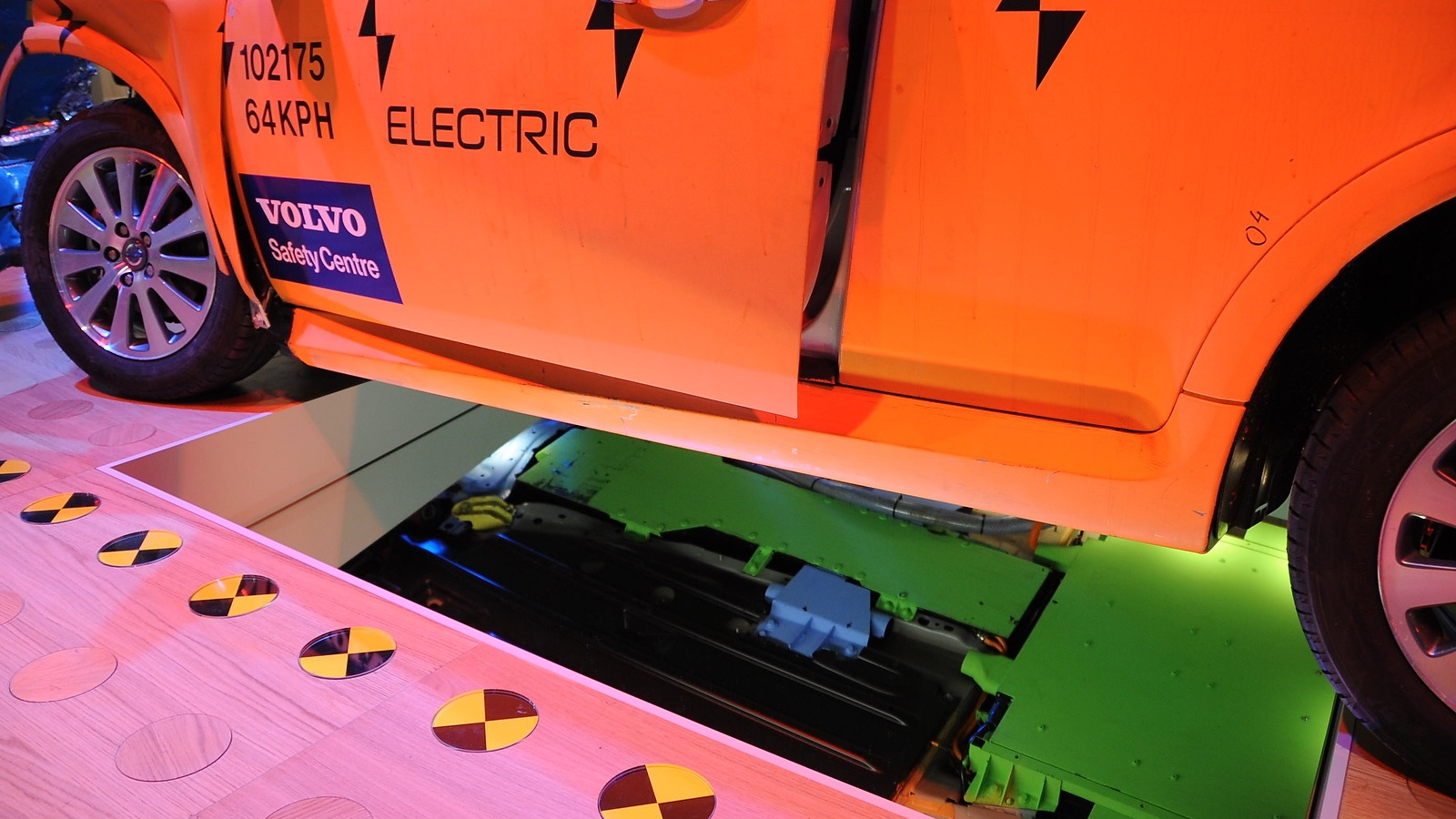
Note that in all the photos, the battery pack remained undamaged. It is painted green, and can be seen in photos of the underside of the car as reflected by full-size mirrors sitting below the C30 Electric test car, as well as in the video starting about 0:35.
In accidents, electric cars have a few needs beyond those of regular cars. The high-voltage cables connecting the battery pack, electric motor(s), power electronics, and charging port have to remain intact.
Volvo reinforced the structure around the battery pack, and added new routines to its crash sensors that will automatically cut all electric power within 50 milliseconds (1/20th of a second) after an impact.
This eliminates any chance that the body would become electrically charged if a cable were severed or its insulation damaged, allowing it to ground to the steel body.
Because the engine that usually sits under the hood is gone, Volvo added reinforcements to the under-hood structure to distribute frontal impact force.
Volvo is now testing a fleet of C30 electric cars in Sweden, and it expects to put the car on sale there early next year. Test cars will arrive in the U.S. by the end of this year.
Range is quoted at 75 to 95 miles, and GreenCarReports briefly drove the car at last fall's Los Angeles Auto Show.
You can follow all our Detroit Auto Show coverage on our hub page: on-the-ground reporting, live tweets, and more.
[Volvo Cars]