Who Killed The Chinese Electric Car? BYD Looks Away from EVs

 
Follow Nikki

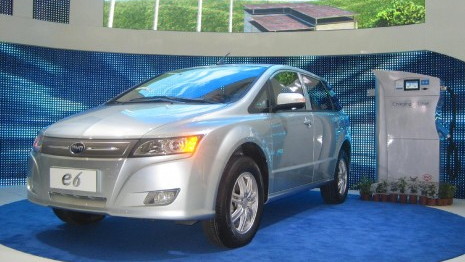
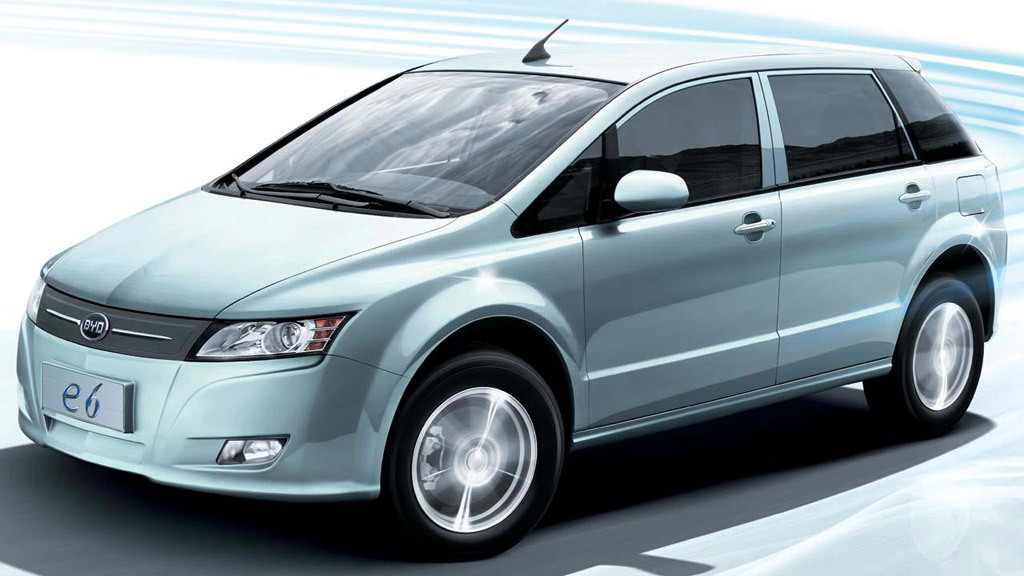
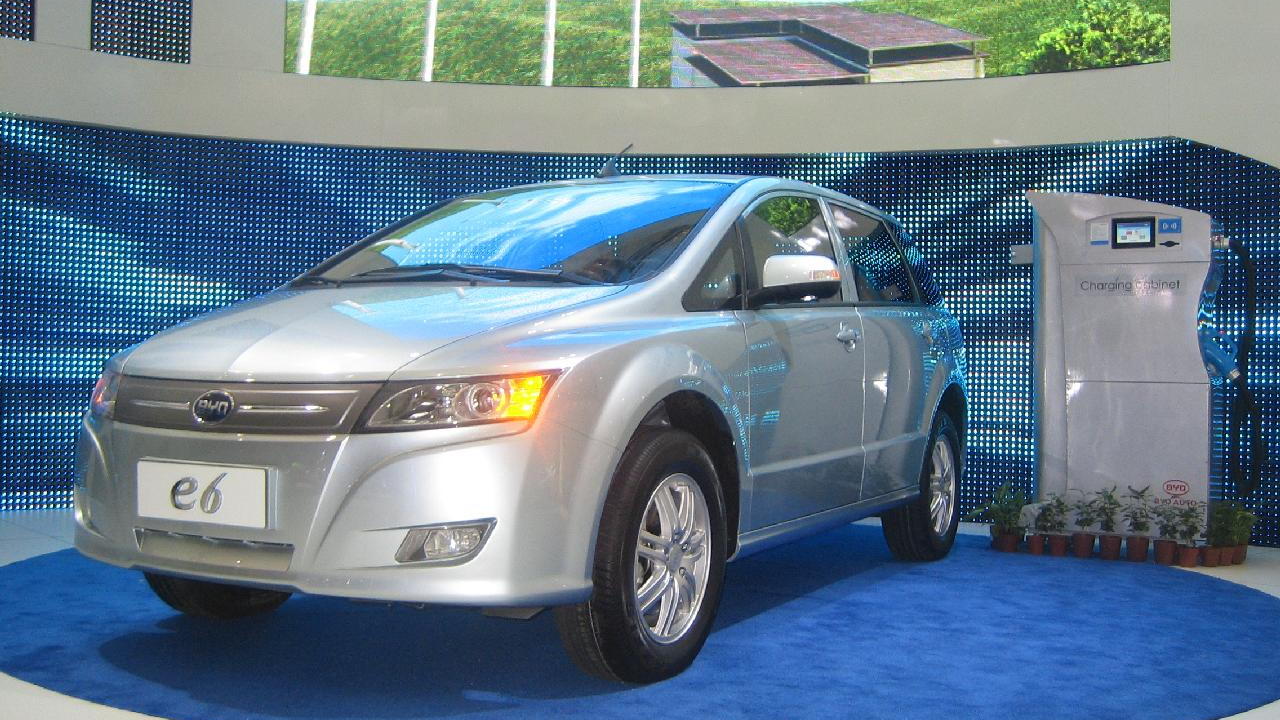
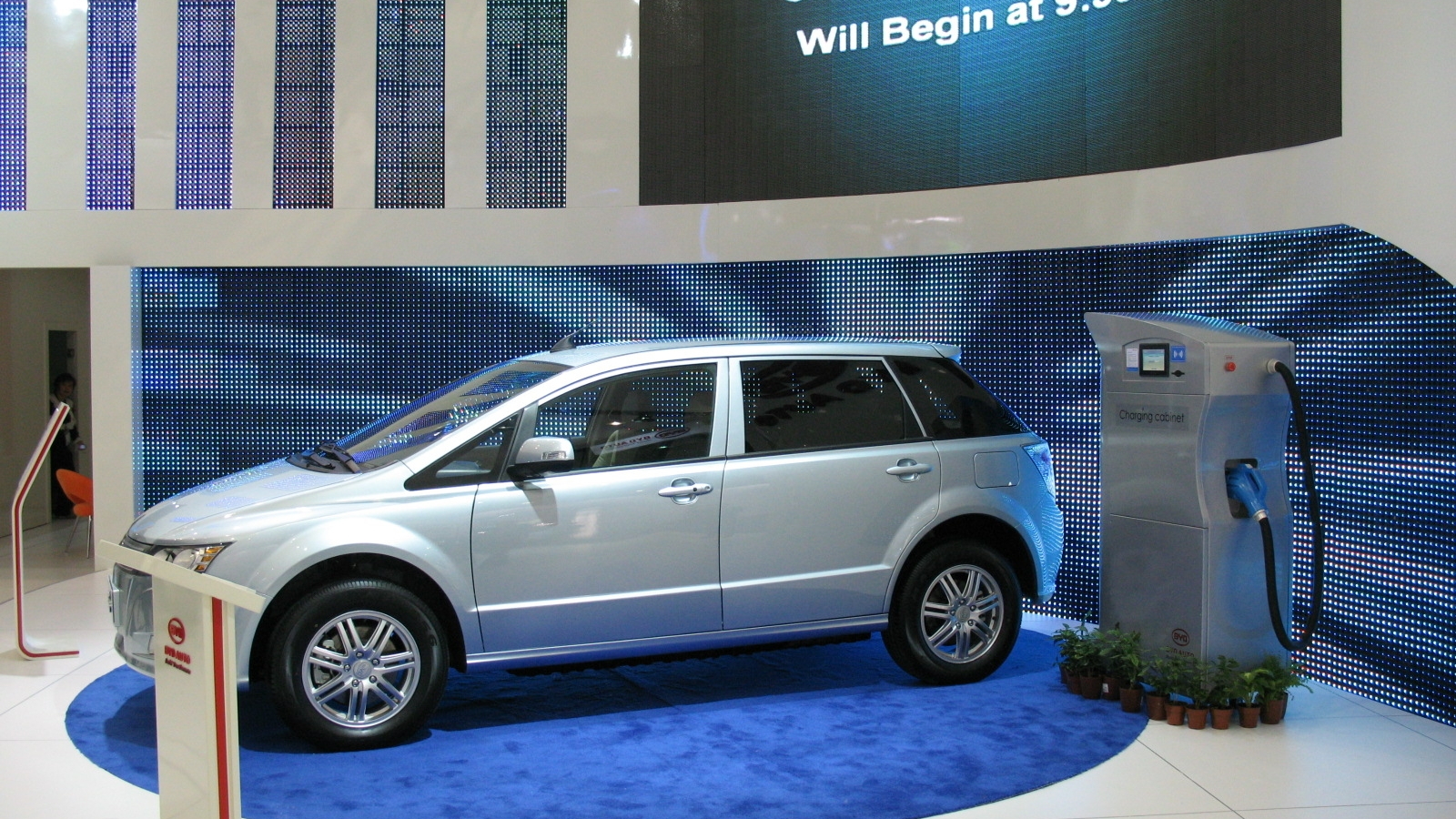
BYD e6 electric crossover, Electric Avenue, 2010 Detroit Auto Show

2009 Detroit auto show

2009 Detroit auto show

Enlarge Photo

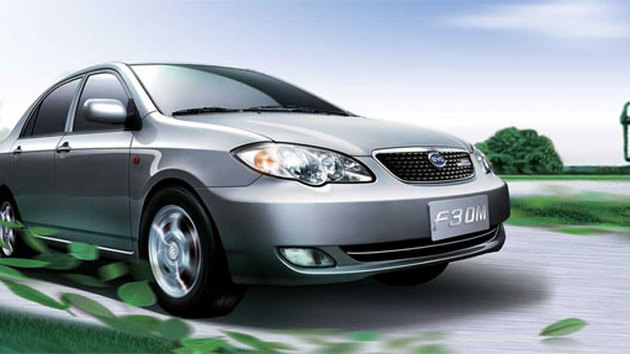
The F3e is officially dead. According to sources cited by China Business News, the battery firm turned electric-car maker has ceased plans for commercial production of its four door electric sedan. 

There has been little mention of the all-electric sedan since its plug-in hybrid sibling, the F3DM was launched in December 2008, but Wang Jianjun, deputy general manager of BYD Automotive Sales Co Ltd has finally confirmed that the F3e will never be made.  

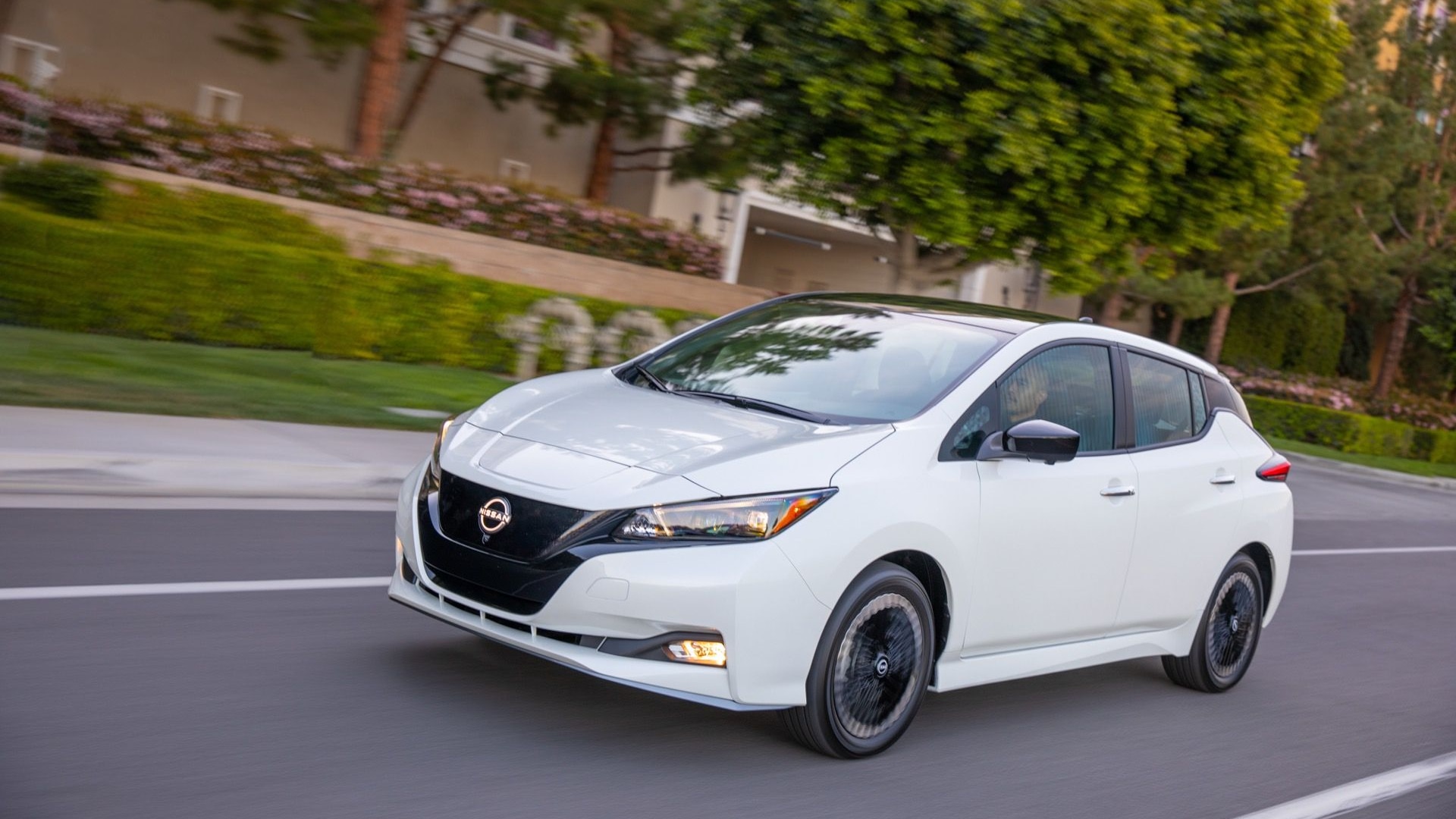
So why is a firm primarily focused on battery technology and electric vehicles killing off an all-electric sedan which, on paper, could have competed with the 2011 Nissan Leaf?

Lack of government support. At least, that’s the official line. 

But while the Chinese authorities may not be supporting the electric vehicle as much as BYD would like, American businessman Warren Buffet is still 100% behind the company. 

Buffet’s investment firm, Berkshire Hathaway, purchased 10% of the company in 2008 for $230 million. 

BYD also enjoys an investment from Daimler, which has formed a partnership with the firm to produce a new range of electric cars via a joint venture called Shenzhen BYD Daimler. 

What of the e6, BYD’s all-electric crossover SUV? While a test-fleet of 40 vehicles are currently working as taxis in Shenzhen the company has certainly fallen behind its own target of selling the e6 to a U.S. market by fall of 2010. 

Given that in 2009 BYD sold just 48 of the F3DM, the variant of the F3 the firm chose to develop instead of the F3e, we can’t help but question what the future of the e6 is. 

All signs from the Chinese firm now point to a shift from private electric transport to developing public mass-transit and plug-in hybrids. We can’t see how the e6 fits in with that switch. 

For now, we’re calling it. BYD’s chances of getting to the U.S? Slim.
[Gasgoo Automotive News]


Follow Us


Have an opinion?Join the conversation!

  • Posting indicates you have read this site's Privacy Policy and Terms of Use
  • Notify me when there are more comments
Comments (8)
  1. Lack of government support? Laughable. China's government, well aware of the oil crunch it is facing desperately tries to encourage new energy vehicles with the highest subsidies in the world. The real problem with BYD is that it's EV program has always been mostly about bluff. Stories about mass market EV's and a handful of DIY quality prototypes it kept showing on car shows for years convinced the media and succeeded in boosting it's stock value (for a while) and attracting investment from the likes of Buffett. The truth is starting to come out as BYD's stock prices are deflating: BYD's mass market EV's are all bluff and no show. I doubt Buffett is still in this marginal producer of cheap Toyota clones, after all his' is supposed to be the smart money.
     
    Post Reply
    Vote
    Bad stuff?

  2. Simple.
    There's no way to produce a reliable range-extended EV much cheaper than the Volt. Supply chains are inadequate for that, even if one considers cheap Chinese labor.
    In 5 years we'll certainly see cheap Chinese EVs and cheap American EVs. But the time is not right, yet.
     
    Post Reply
    Vote
    Bad stuff?

  3. It appears that Chinese is the cheaper source for large format batteries. Many are sold to the DIY electric car conversion market. Perhaps they have decided to just build batteries...there is certainly a large worldwide demand for that product alone.
     
    Post Reply
    Vote
    Bad stuff?

  4. Does anybody follow other industries? If so can you tell me if this number of announcements and then backtracking is unique to the EV world or is it typical in other industries as well?
     
    Post Reply
    Vote
    Bad stuff?

  5. John Briggs: I don't think this is a typical EV world thing, I think it's a typical for the present Chinese business culture. China is basically an economic wild west at this point and anything goes, including exploitation of labour, intellectual theft, retro engineering, making wild claims to boost stock value and attract investors and BYD is very much the product of this culture. In the short term these strategies made BYD's founder Wang Chuanfu the richest man in China but in the long run when the frontier days are over and consolidation sets in among China's 150 carmakers I doubt BYD will be among the survivors.
     
    Post Reply
    Vote
    Bad stuff?

  6. My memory may be faulty, but wasn't this the company that made its money based on cheap Chinese labor? They have very little automation and their batteries are almost 100% hand assembled. I suspect their automotive assembly is similar. Automation does not just reduce costs for high volume products, it increases quality. Machines do not get tired and make mistakes. I have doubts that hand-made BYD cars would be high quality. It is quite possible that the Chinese government, upon reviewing BYD decided it was a poor choice to back.
     
    Post Reply
    Vote
    Bad stuff?

  7. perhaps the demand for batteries in emerging markets has reduced the earmarked supply for the EV? either way, its disappointing that once again, an announced EV never made it to market which unfortunately is the norm. once again, kudos to Nissan for its "all in" commitment to the technology!
     
    Post Reply
    Vote
    Bad stuff?

  8. Well, certainly it is not only the Chinese that have backed away from announcements. Aptera, Chrysler, Zap, Fisker, etc have all had to back away from their announcements.
     
    Post Reply
    Vote
    Bad stuff?


Have an opinion?Join the conversation!

Find Green Cars

Go!


© 2011 Green Car Reports. All Rights Reserved. Green Car Reports is published by High Gear Media. Send us feedback. Stock photography by Homestar, LLC.