If there's one thing any advocate of the electric car gets asked more than anything else, it's about range: "How far will it go? How long does it take to recharge? 8 hours!? I'd take me weeks to travel across the country!..."
Help is at hand though, as there are several organizations here in the U.S. whose aim it is to develop an electric vehicle infrastructure that's comprehensive and advanced enough to make EV travel as convenient - if not more so - than it is in fossil-fuel powered cars.
Representatives from ChargePoint America, ECOtality, the Eaton Corporation and General Motors were all present to provide consumer advice at a press conference a few days back hosted by the Electric Drive Transportation Association (EDTA).
One of the subjects covered was the public charging network. A comprehensive network is vital to the mainstream success of the electric vehicle (although early adopters are less likely to require them).
While cars like the 2011 Tesla Roadster (roughly 200 miles) and 2011 Nissan Leaf (up to 100 miles) are fine for shorter journeys, only the upcoming 2011 Chevrolet Volt can be considered truly usable as a primary car thanks to its range-extender gasoline engine.
Fans of pure electric cars however will have to wait for fast chargers if they're to tackle longer distances.
The good news: they are coming.
Mike Dixon, Product Line Manager on electric vehicle chargers at the Eaton Corporation, explained how the different types of chargers available would be strategically placed for best effect. Residential "Type 1" 120 volt chargers would be effectively useless outside of home charging, because they take so long, so the network focus is on "Type 2" 240 volt and "Type 3" fast chargers.
You're most likely to encounter a Type 2 charger at your place of work. The 4-6 hour charge time at 240v and 30 amps would allow you to hop into your fully-charged EV at the end of the working day. Other areas you're likely to encounter type 2 chargers are in restaurant or movie theater parking lots - places where you're likely to get a good 2 or 3 hours of charge time while you enjoy your evening.
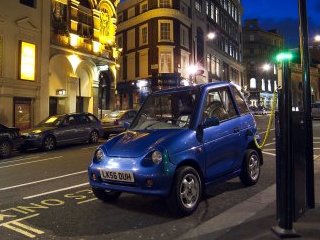
G-Wiz charging in the U.K.
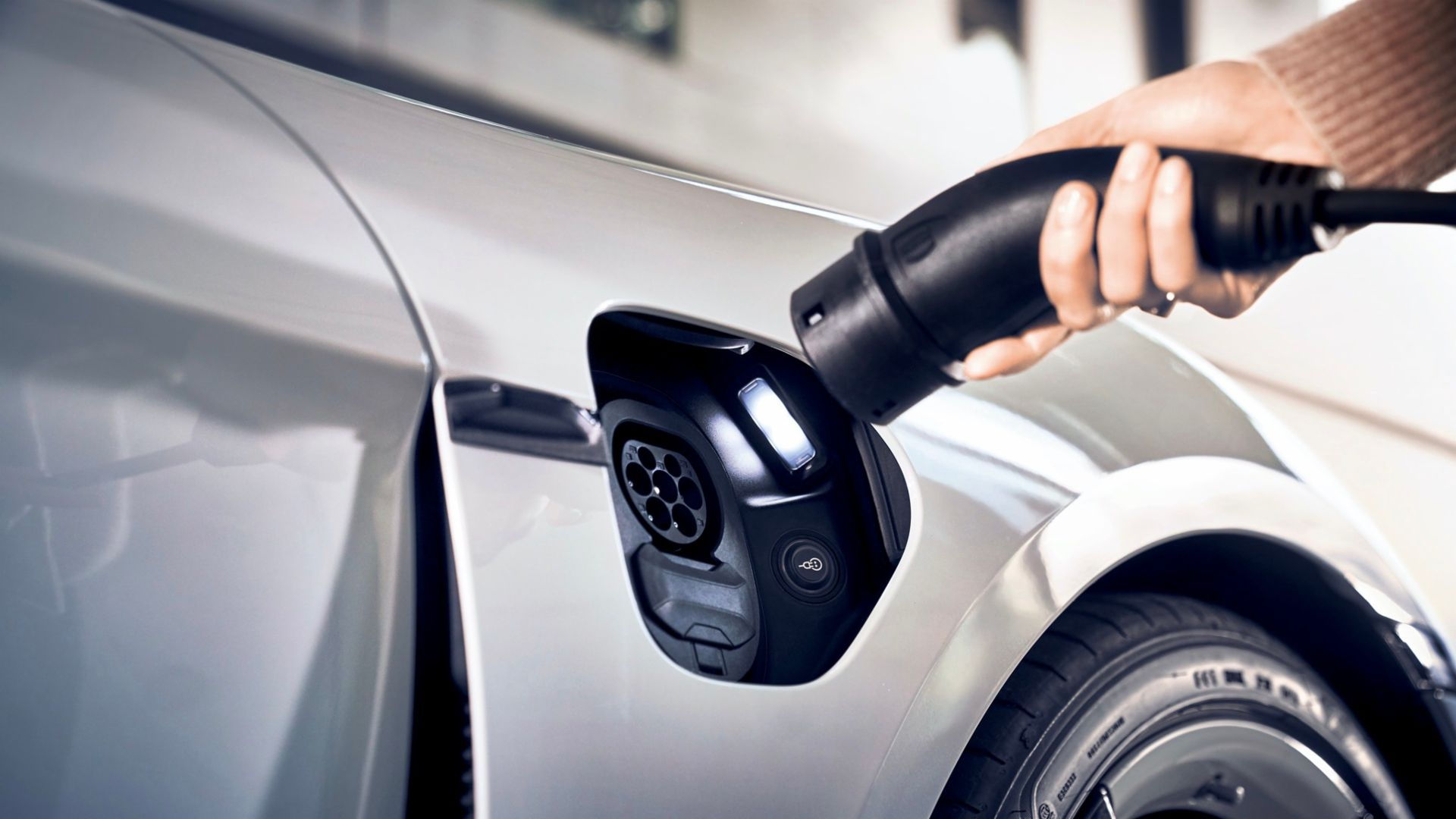
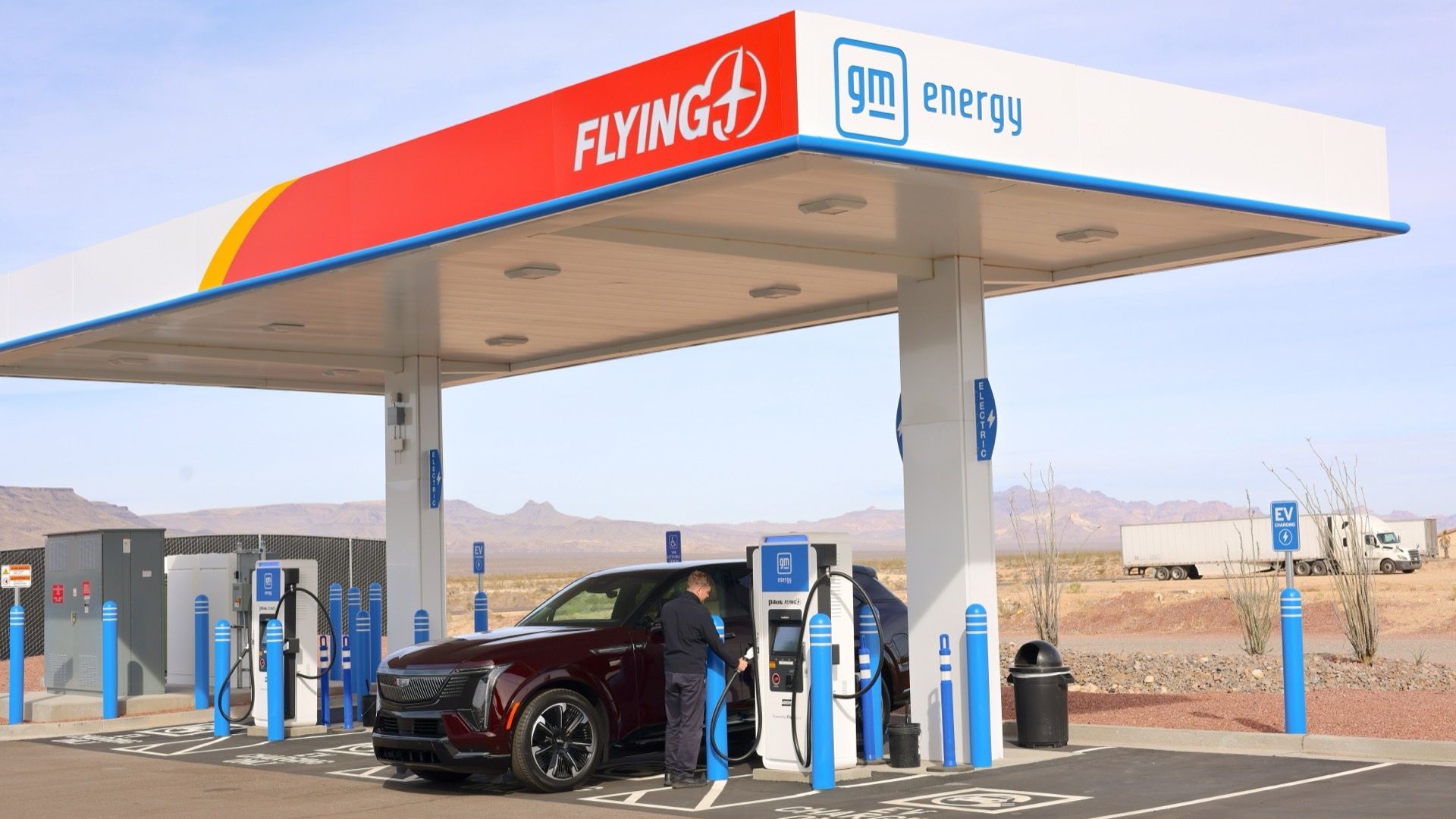
If you're traveling further afield though, you'll need a Type 3 fast charger. These points run at 50-500 volt Direct Current (DC) at over 100 amps, and can provide your car with as much as an 80% charge in only 15-30 minutes.
Fast chargers will be deployed at malls, gas stations, rest-stops and other areas where time is generally of the essence. If even 15 minutes sounds a little slow to you though, consider that a 15 minute charge at a freeway rest-stop gives you just enough time to stretch your legs, go to the bathroom and have a drink, leaving you feeling fresh and ready for the next stage of your journey.
And 5 to 10 minutes of that won't involve standing with a fuel hose in your hand watching your last paycheck tick away...
Technological innovators Ecotality are founders of The EV Project. As well as providing over 8,000 type 2 chargers for residential use, the company will set up 5,500 type 2 chargers and 310 fast chargers in public locations. The infrastructre will cover locations in Arizona, California, Oregon, Washington State, Tennessee, Washington D.C. and Texas.
ChargePoint America (CPA) will have a similar network, deploying 5,000 chargers in nine Metropolitan areas, including Washington State, California, Texas, Michigan, New York, Washington D.C. and Florida.
CPA's chargers will all be networked too, allowing EV owners to look for their nearest charging point with Google Maps, see if it's in use, send you an SMS or email to update you on the charging progress, and even alert you if a problem might result in your car not being fully charged when you return to it.
With mobile Apps like the iPhone's 2011 Nissan Leaf and 2012 Smart ED charge features and the OnStar-powered smartphone apps for the 2011 Chevy Volt, you'll never have been so informed as to what your car is up to when you're not actually in it.
CPA even say that they'll be able to fix a unit remotely should it develop a problem, thanks to the networked nature of all their charge points. In many cases any problem would be fixed before a user was even aware it existed.
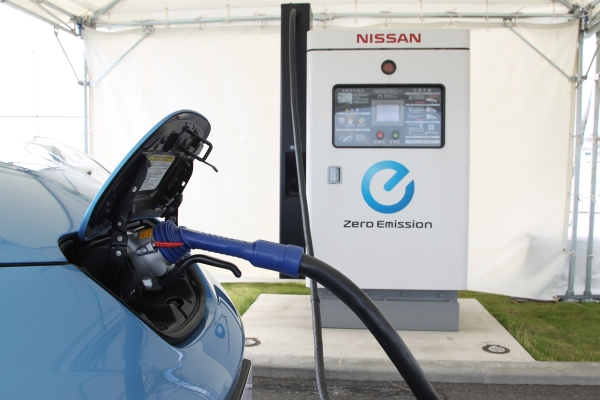
Nissan's 50Kw Charger for the 2011 Nissan Leaf.
Paying for your recharge should be simple too. Mike Dixon from Eaton points out that many parking companies already have payment systems in place, so paying for your charge could be rolled into your parking fee.
All of these features should reassure any potential (and current) EV owner that by the time they've put money down on their vehicle, the network will be there to enable them to take on longer journeys with ease.
Not only that, but they'll be enjoying a "refueling" process far more convenient and advanced than drivers of internal combustion cars have ever experienced.