Once more, a reader question prompts us to share the answer with our entire green car audience.
In this case, it's about how first responders should approach accidents that involve vehicles with high-voltage battery packs, whether they're conventional hybrids (e.g. Toyota Prius) or upcoming electric cars like the 2011 Nissan Leaf or 2011 Chevrolet Volt.
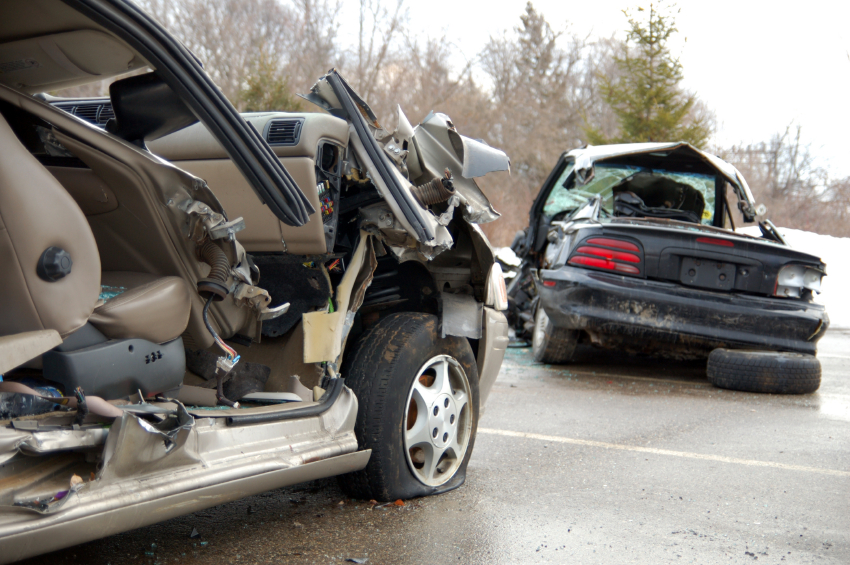
Car accident
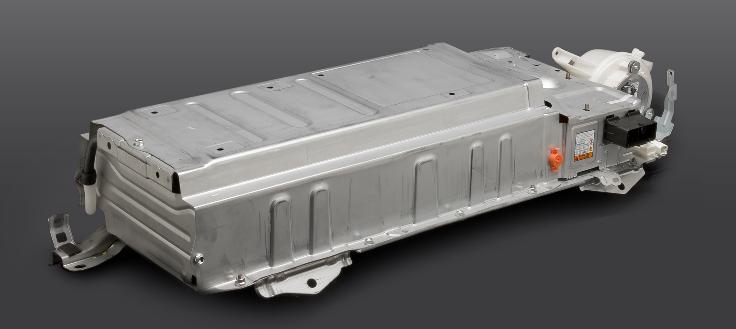
2010 Toyota Prius high-voltage battery pack
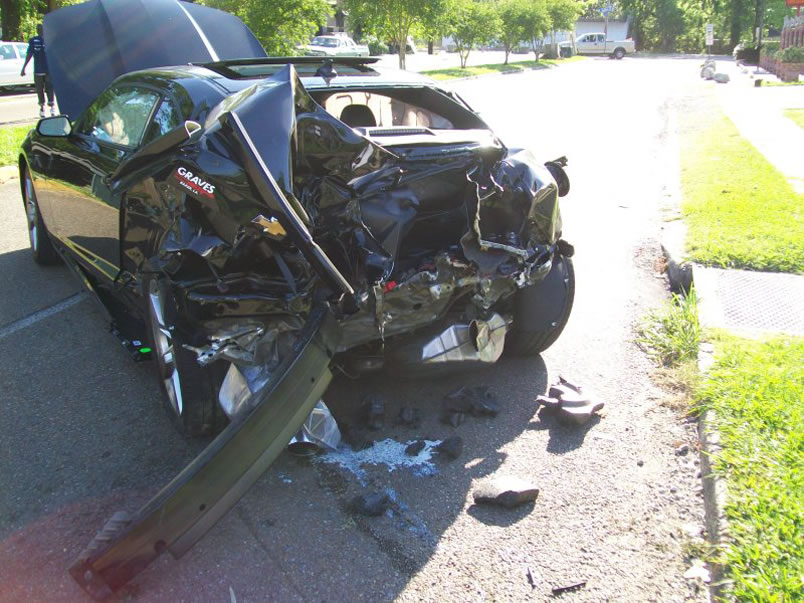
2010 Camaro SS accident
While the nation’s capital may be the riskiest city for driving, Sioux Falls in South Dakota rated as the safest
The first thing to know is that all modern electric-drive cars from major automakers have numerous interlocks and safety checks that instantly shut down the entire high-voltage electric system in the event of a crash or other emergency.
Those conditions would include deployment of an air-bag, a rollover, and various other situations where sensors tell the car's control electronics that it's having an accident.
Once the high-voltage electrics are shut down, the only danger to first responders would come if they actually drilled or cut into or dismantled either the battery pack or any capacitors (which are electric components that store charge).
To prevent that from occurring, training for emergency responders is a standard part of the launch of any electric-drive car. General Motors, for example, is now training first responders on its 2011 Chevrolet Volt extended-range electric car.
Every major automaker offers similar guidance for responders on standard items like location of the battery pack, automatic shutdown conditions, manual kill switch, cable locations, and other info that might be needed in an emergency.
In the case of the Volt, GM will show EMS staff, firefighters, paramedics, and police offers where they can cut through the Volt's thickened chassis and door pillars safely.
Certain design similarities among all these cars makes them more predictable for emergency responders. Battery packs are located as low as possible in the chassis, for example, which helps weight distribution for handling.
All high-voltage cables for the transmission and power systems are bright orange, for instance. And they usually run only along the floorpan of the car until they reach the engine; they're almost never routed through the roof or pillars.
In the event that somehow the high-voltage system does not automatically shut itself down, GM shows responders the locations of mechanical battery-disconnect service switches, designed to eliminate the risk of electric shocks, and how to trigger them properly.
The Volt trainings, jointly offered by GM and its Onstar telematics unit, are being offered in California (San Francisco and Los Angeles), Michigan (Detroit), Washington, D.C., and other regions where the 2011 Volt will first be sold.
GM also collaborates continuously with national and international safety organizations to ensure that emergency-response teams get the information they'll need to deal with any accidents involving electric-drive vehicles.
That information is also covered in magazines, websites, and other media aimed at first responders. Their reporters can be seen at auto-show press conferences, asking about emergency response safety in new hybrid and electric vehicles.
The automakers all tend to give variations of the same answer: "We've followed all the usual design standards on this new vehicle, and we'll be offering training to national responder organizations that is disseminated down to their various members."
And there you have it.