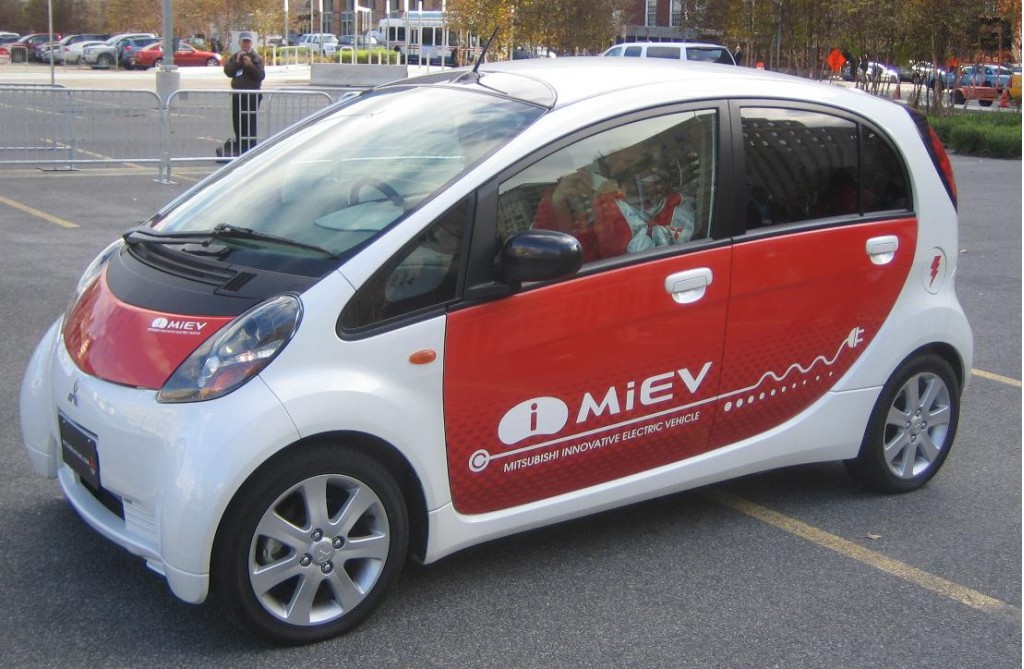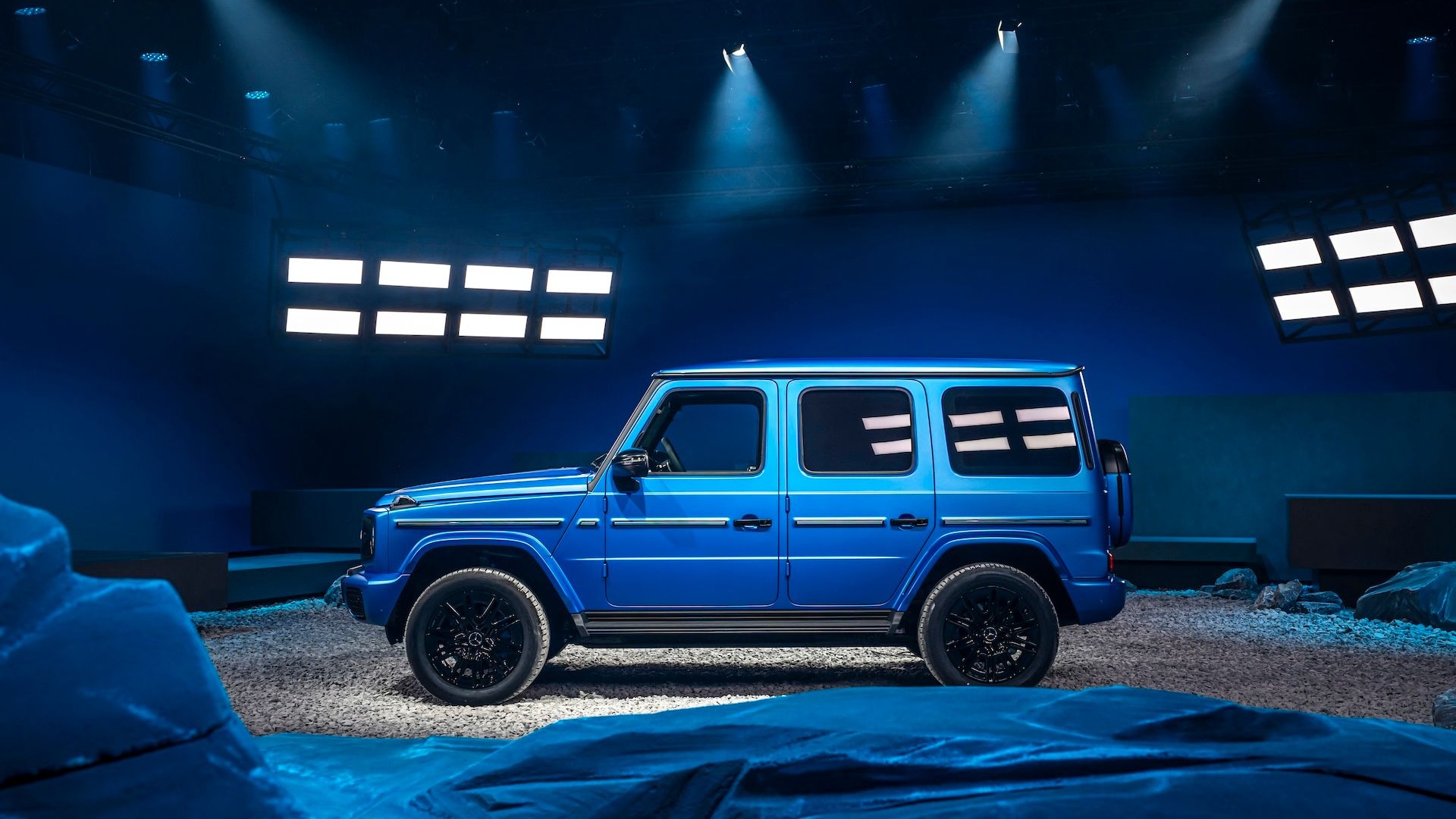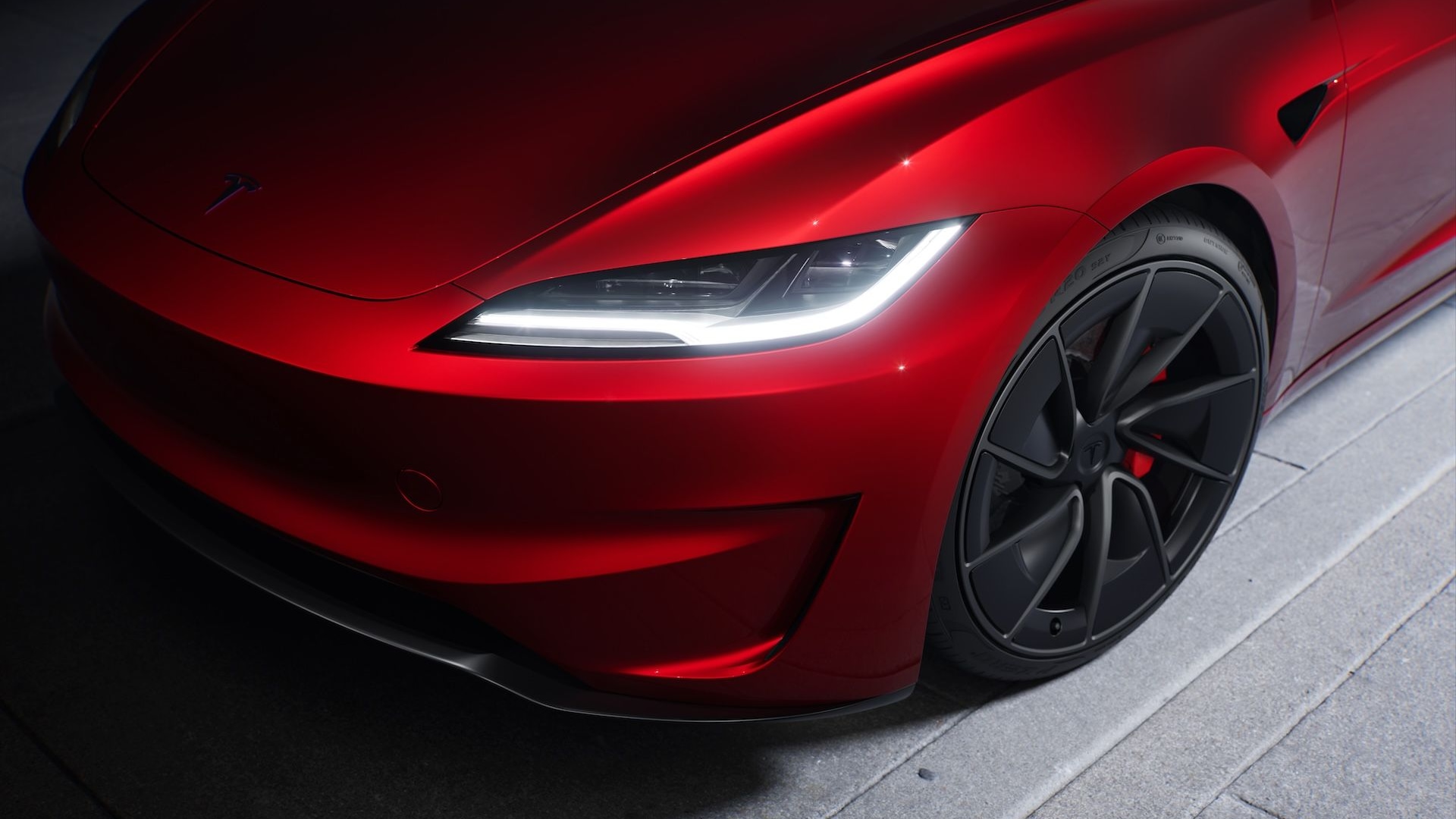
Last month was was a pretty great one for mainstream automakers planning to deliver plug-in vehicles. Publicity a-plenty, state and Federal grants announced, pricing revealed.
The message from Detroit and Japan is clear: If you like it then you shoulda put a plug on it ...
But with so many of the big guns launching plug-in vehicles, what hope do small EV and PHEV companies have in future months?
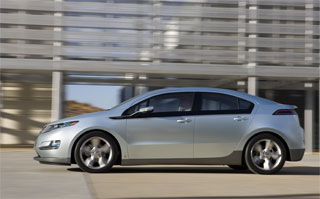
2011 Chevrolet Volt
Within a year, we'll be able to choose among some really impressive plug-in vehicles. Within five years, expect most major manufacturers to be offering some form of plug-in--all with excellent service standard, local garages with fully trained personnel, impressive warranties and perhaps even specialized emergency roadside assistance.
What can the likes of Think, Aptera, Zap!, Reva--and any number of smaller startups eager for a piece of the plug-in pie--do to compete against the big boys who want to rule the kingdom?
In all honesty, not much.
There may be a few exceptions. Tesla Motors have shown themselves to be more than capable thus far, with extensive Venture Capitalist funding, an impressive customer list, and recent wins at the Monte Carlo Alternative Energy Rally.
With significant funding from the U.S. Department of Energy, continuation of the Tesla Roadster through 2012, and the Tesla Model S confirmed, the company should be set for a few years to come.
Fisker appears to be not so much a shoo-in as a squeeze-in. If the company gets their act together--quickly--they stand a chance of getting to the party before all the drinks are gone. But another delay beyond the estimated launch date of September 2010, and all bets could be off.
Smaller companies don't have the prestige of Tesla or Fisker. They've struggled over the past four years to stay on target and on price. We've seen delays, re-specifications and price-hikes from Think, Aptera, Zap!, and Reva, to name just four. Many other smaller companies have ceased to exist altogether.
For those who remain, the pressure is mounting to come up with an affordable vehicle capable of performing as well--if not better--than those offered by Nissan, Mitsubishi, Ford, General Motors, and Toyota.
On paper, no one can realistically expect to compete with companies to whom $750 million or more for development of a single vehicle--the estimated cost to GM of developing the 2011 Chevrolet Volt--is acceptable.
Smaller plug-in vehicle manufacturers can't compete on development funds, and they certainly can't compete on price--unless other factors slip. That might mean sacrifices in speed, safety and, ultimately, desirability.
Worse still, some companies could choose wacky designs that undoubtedly reduce cost or weight, but impact mass-market desirability and practicability.
Of course, there's a reason why so many plug-ins seem to have three wheels. They can be classed as motorcycles in the U.S., which have less stringent safety requirements. Many vehicles from small-scale EV makers are three-wheeled solely to circumvent tough NHSTA safety standards.
It's simple, really: It is no longer economically viable for most smaller plug-in vehicle companies to exist, let alone produce reliable, affordable vehicles that can compete with EVs from the big boys.
Expect those smaller companies to be relegated to the history books, or perhaps the gated communities with private roads that earned some companies (such as Zap!) their first thousand dollars.
Who is killing the small-scale EV companies? The big boys are.

Have an opinion?
Pa Posted: 4/5/2010 7:05am PDT
Doug Posted: 4/5/2010 8:43am PDT
I don't think it's defeatist to state the obvious. I think it's more pathetic to stick your head in the sand than it is to simply read the writing on the wall.
Besides, what are you so upset about? Ultimately this is better for the consumer and means there will be more actual EVs out there. That's a big positive, right Pa??
The main thing the small guys had going for them was the market window before the large players got going. That window is closing fast. The Leaf pricing showed that Nissan is serious about EVs and not just dipping their toes in the water (as BMW is with the Mini E). If a small company targeting the "low end" like Coda Automotive, for example, can't offer a car that competes with the Leaf on price, quality, or availability, what chance do they have left? Add to that the brand familiarity and established dealer/support network that Nissan offers, and the choice of the sensible consumer is obvious.
Tesla and Fisker may have to adjust strategy as well by staying focused on up-scale market. Though, they too are feeling pressure and may have a hard time if GM decided to move forward with the Converj or if Nissan offers an Infiniti EV.
Desertstraw Posted: 4/5/2010 8:59am PDT
Electric cars are basically very simple. Almost any shade tree mechanic could build one if he had access to a decent battery. My guess is that in the future, cars will go the way of computers, assembled from standardized parts produced by competing manufacturers. None of the top computer makers today make their own parts, they just assemble them - you can do it yourself. Moreover with electric cars, except for tires and brakes, there is virtually no maintenance and repair needed based on the experience of electric cars now on the road. There is no need for big companies to manufacture them.
russ Posted: 4/5/2010 9:28am PDT
İ am positive that the little guys will be gone with the wind. Virtually none of them has a business plan beyond 'Lets collect some cash and build a car' - that is the easy part - then comes sales, service, dealer network, guarantee work.
Eletruk Posted: 4/5/2010 10:40am PDT
I can see people modifying electric cars in the future, but certainly not making them themselves.
Brand loyalty is a big issue. As is safety concerns. While many on the bleeding edge may be happy with lesser safety features of a three-wheeled "motorbike" - what of the average consumer? For them, they want something with a good pedigree, something with low depreciation, good service and rated safety. Not one of the smaller companies out there can compete with the likes of Nissan, Mitsubishi, Ford or GM on these. It's sad, but a fact.
In all honesty, I think the smaller EV firms will survive if they are so good at what they do that the larger auto firms either take them over, or buy technology from them on licence. That's happened before...
James E Posted: 4/5/2010 4:01pm PDT
I would never even think about putting them into the back of a car that was not held to the same stringent safety requirements….
Perhaps other people have learned, what I have learned over the last few years looking at EVs. It is very difficult to get an affordable car on the market. This is a very capital intensive business.
Noel Park Posted: 4/6/2010 9:00am PDT
Steve Bruns Posted: 4/6/2010 11:49am PDT
(And if they don't become wildy successful it's all moot, in'it?)
B-Man Posted: 4/6/2010 5:13pm PDT
Pass the almond mocha ice cream.
DC Posted: 4/6/2010 10:29pm PDT
y Brandstetter MD Posted: 4/7/2010 5:38am PDT
Steve Bruns Posted: 4/7/2010 6:34am PDT
Second--how difficult is it to change a hybrid (which all the majors have) into a phev or a pure bev? Oh sorry, forgot we need some "unobtainium." Time to get blue!
ColtsChiefsTitans Posted: 4/8/2010 10:39am PDT
shedeep Posted: 4/13/2010 5:23am PDT
Have an opinion?Join the conversation!