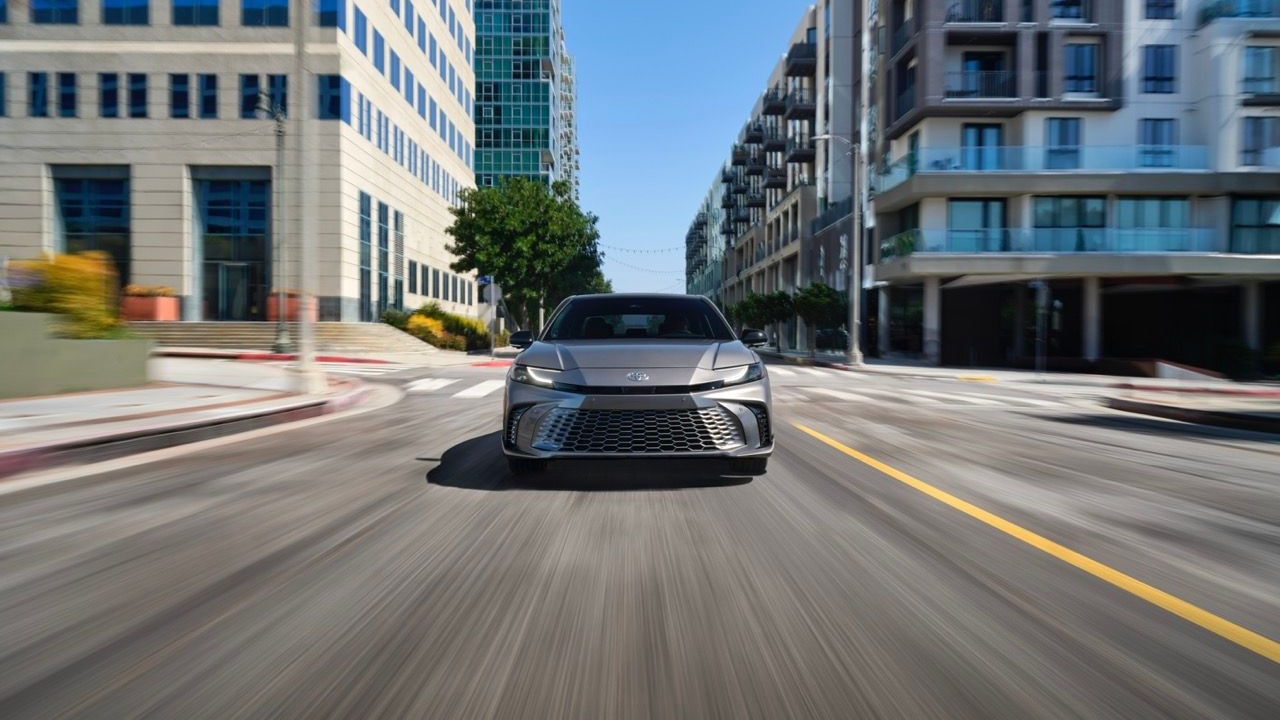

2011 Nissan Leaf prototype
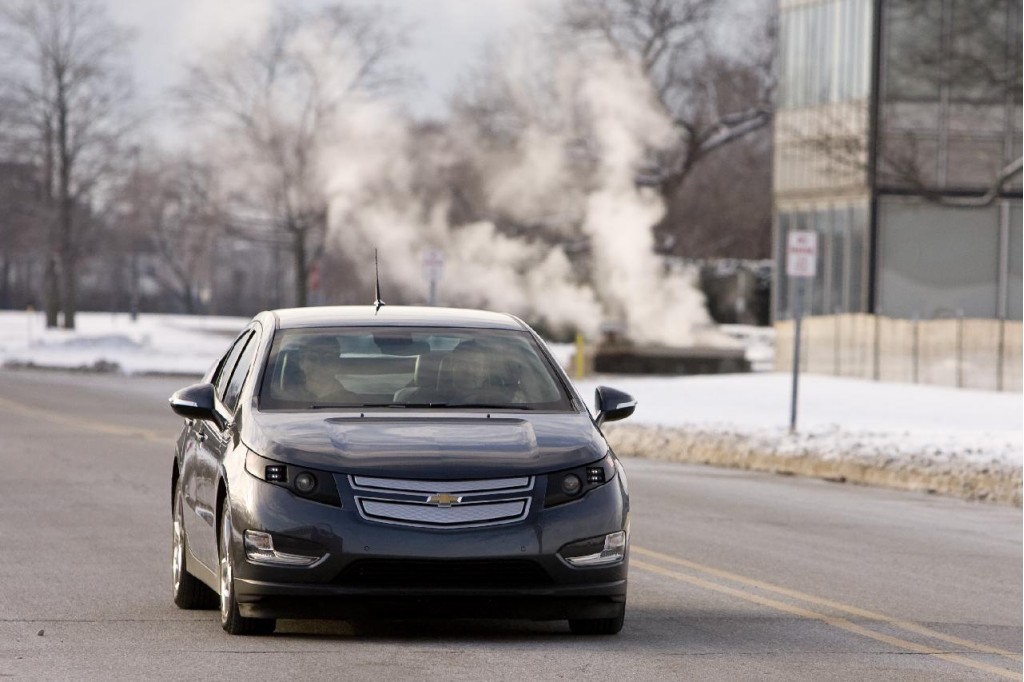
2011 Chevrolet Volt pre-production prototype, January 2010

Mitsubishi i-MiEV electric car - front - December 2008

2010 Toyota Prius Plug-In Hybrid, 2009 Los Angeles Auto Show

Aptera 2e development prototype at company offices in Vista, California
We're now well and truly on the road to plug-in vehicle nirvana, with the 2011 Nissan Leaf, the 2011 Chevrolet Volt, and various other plug-in and electric vehicles due to hit the market within the next couple of years.
But there now seem to be hundreds of car companies, enthusiastic business people, and hard-core green freaks trying to sell us revolutionary breakthrough car designs--every one of them, of course, the most ethical and responsible car ever created.
Many of these companies will flounder on hitting their first hurdle: publicity.
Long ago, companies and individuals with less-than-stellar products would have been spat out of the threshing machine that is automotive journalism. But, in an increasingly connected world, stories about new cars are no longer restricted to the auto press.
Local and national news crews clamber over anything with even a whiff of green credentials. Headlines are made by everyone from the crazy, unstable, and wildly impractical EVette to more credible--though still radical--vehicles like the Aptera 2e.
Electric vehicle enthusiasts and motor aficionados may be able to tell the difference, but can the public?
Surveys show consumers are open to the idea of plug-in vehicles, but will the search for a cheap, clean electric vehicle end in disaster, fueled by hype, investor greed, ineffectual reporting from the mainstream media, and lack of consumer knowledge?
Are unscrupulous businesses taking advantage of consumer ignorance and media desperation for a green story? How about those taking advantage of those wishing to invest in a green future?
Good venture capitalists do due diligence on a company before investing. They'll know if the technology they're about to invest in has the technological prowess to have at least a chance of success. Patents will be well and truly researched, outlandish claims squished.
Smaller companies without big VC firms sniffing around may have less careful, less knowledgeable investors. Often run by enthusiastic but slightly delusional (sometimes even swindling) innovators, smaller companies may overestimate a vehicle's capabilities and potential market share, taking increasingly bigger risks to get noticed.
They'll play on an unbeatable price, an impressive range or top speed (like the will-it-ever-be-made Zap Alias), or some revolutionary technology. Unable to attract bigger investors (who have already dismissed outlandish conceits or business models), they turn to smaller fish: independent investors, and individuals who just want a piece of the future-electric-car dream.
What ends up getting produced--if cars actually make it out the door--is usually less than what was promised. Either the vehicle offers performance even a golf cart would be ashamed of, or corners are cut in dire attempts to classify the vehicle as a low-speed or neighborhood electric vehicle (NEV) to bring it to market without the very expensive process of passing NHSTA tests.
If the car does in fact make it to market, lack of dealer support may mean success is short-lived. More often, the car doesn't even make it past the CAD file.

2011 Nissan Leaf prototype
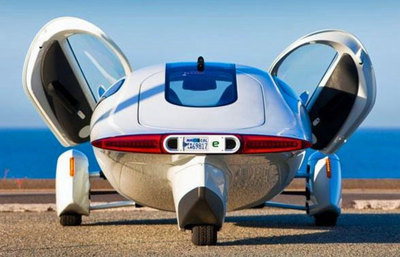
Aptera 2e

2011 Chevrolet Volt pre-production prototype, January 2010
Either way, the result is the same: The company goes into Chapter 7 or Chapter 11, and investors are screwed. It's happened before. And it'll happen again.
It takes tens if not hundreds of millions of dollars to develop a good, competitive, highway capable car. Electric-vehicle enthusiasts worldwide often moan about the apparent reticence of the major auto makers to develop an electric drive vehicle. After all they argue, just how difficult can it be?
Building an electric car is easy; I've helped friends do it. We deal with the knowledge that we get no support or warranty when things go wrong. It's making a good EV that is hard.
So before you invest in a startup company, or get excited over that new EV press release, check things through first. Right now, only a handful of EV makers could even hope to stand up to the might of the biggest global automakers.
If it sounds too good to be true (you're being offered an electric car at half the price of the Chevrolet Volt, Mitsubishi i-MiEV, or Nissan Leaf), something is going to let you down.
Right now, a cheap EV is an oxymoron. And until the marketplace is flooded with electric models--as it will be, one day--an oxymoron it'll continue to be.