A recent article in the Oakland Tribune highlights the high failure rate of independent car dealerships selling only electric vehicles. Frankly, we're not at all surprised.
We worried readers might find a subtext that the slew of EV-only dealerships that have closed--in Berkeley, Concord, Davis, and Santa Rosa--is evidence that even the greenest of San Francisco Bay Area consumers aren't interested in electric cars.
Which is hogwash.
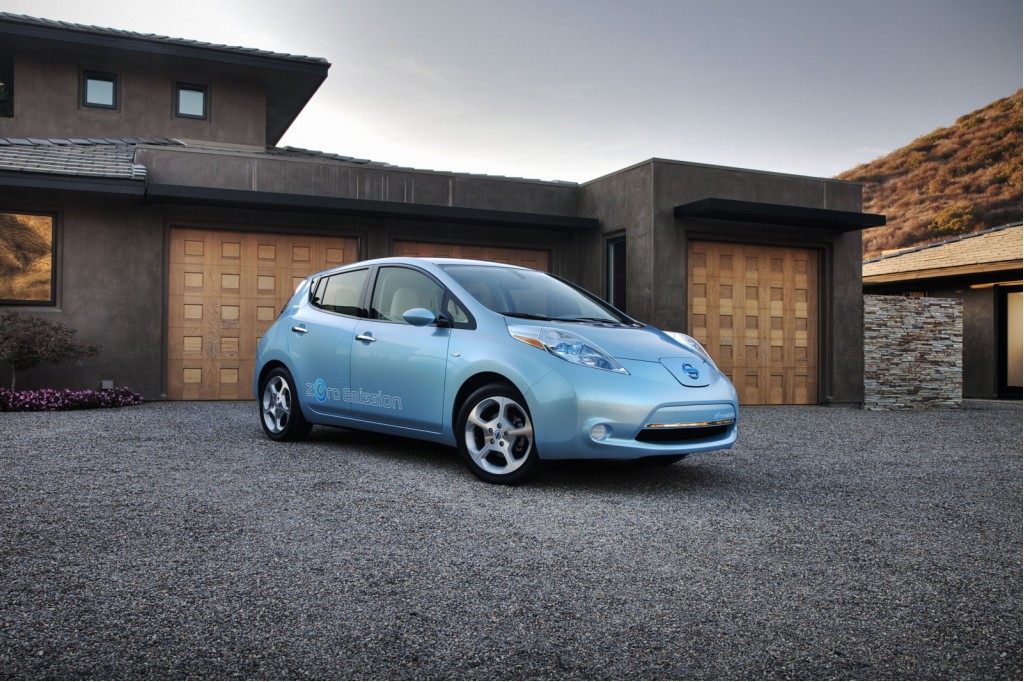
2011 Nissan Leaf prototype
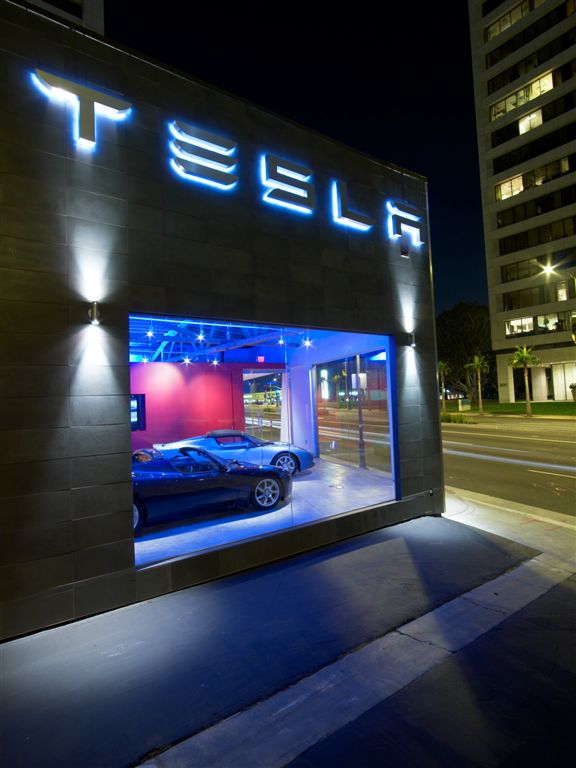
Tesla Store in LA
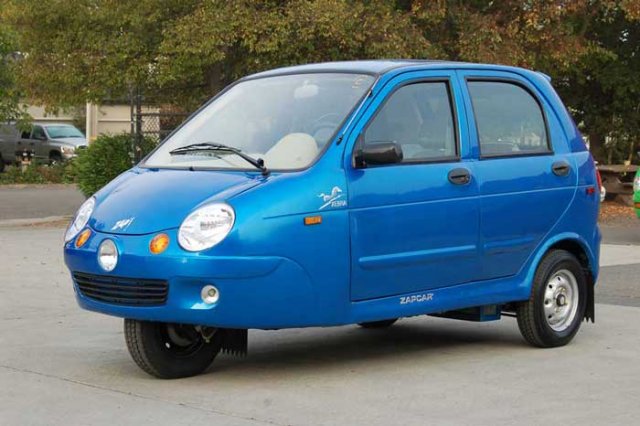
ZAP Xebra Sedan
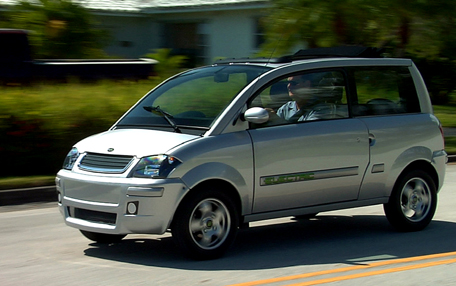
zenn
Real electric cars this year
As we regularly write, real electric cars will land in dealerships before the end of this year. The 2011 Chevrolet Volt and the 2011 Nissan Leaf will be both be rolled out on a regional basis, starting in areas like California and the Pacific Northwest.
But they won't be sold at EV-only dealerships. They'll be sold at Chevrolet and Nissan dealers, respectively. Both will do 90 miles per hour or better; the 2011 Leaf will have a 100-mile range, the 2011 Volt well over 300 miles.
And it's worth pointing out that the Tesla Roadster is now in its second year of sales at a handful of Tesla Stores in major cities.
NEVs aren't real cars
And those specifications highlight the problem for the EV dealers: They weren't selling "real" cars from real automakers that happened to run on electricity. Instead, they were selling low-speed neighborhood electric vehicles, known as NEVs.
With top speeds of 35 miles per hour or less, and licensing regulations that vary from state to state, NEVs are more often seen with security guards or maintenance crews on college campuses or large industrial sites than they are on city streets.
To her credit, writer Janis Mira identified "the cars' own limitations" as the most notable cause for the multiple failures, specifically citing products from Zap and Zenn, among others.
A key quote: "People would come to my dealership and they would see what the car would and wouldn't do," said [defunct Berkeley dealer Marc] Korchin.
Diesel dealers?
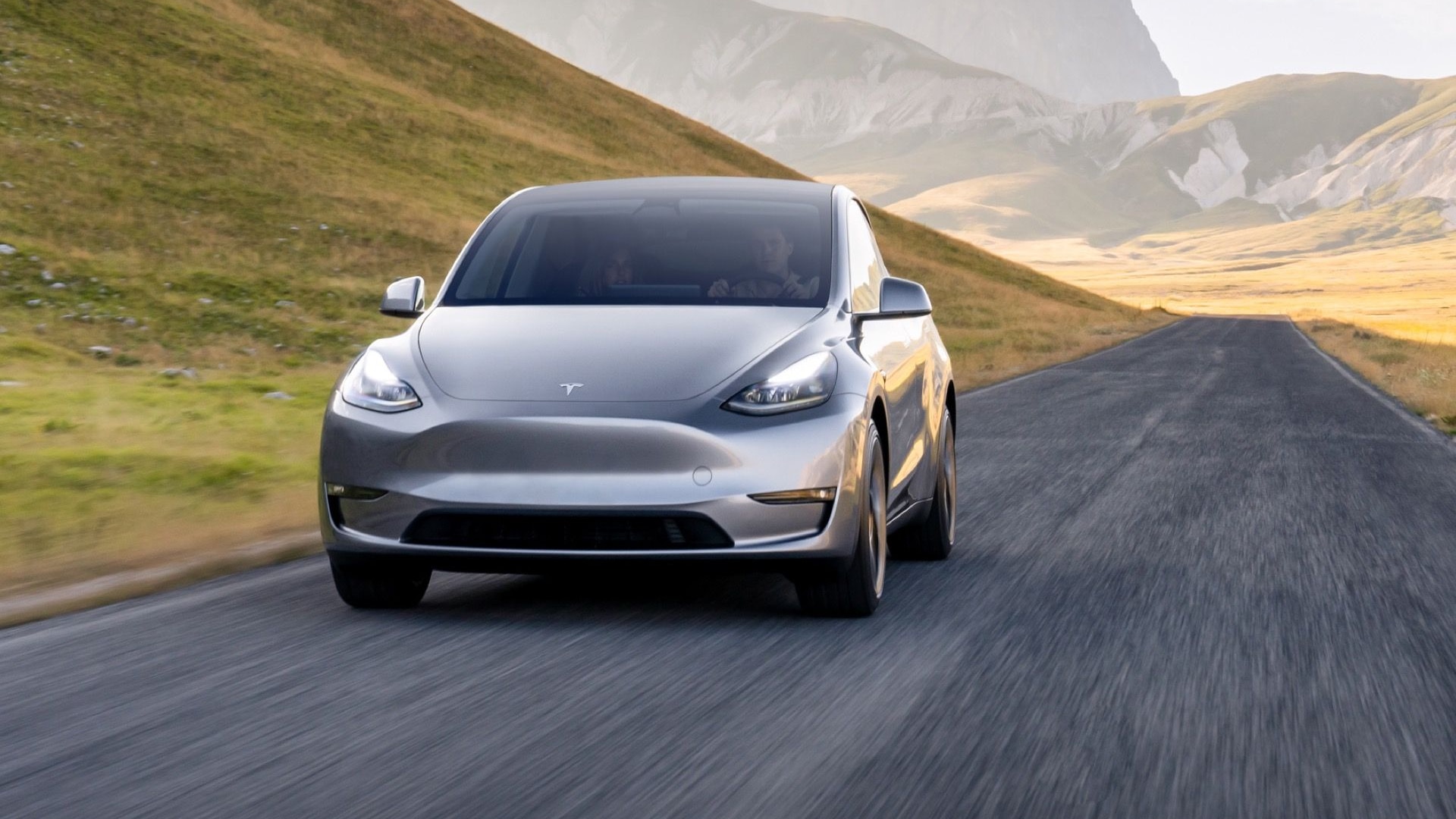
So let's be very clear: Real, highway-capable electric cars are coming. You will buy them at your local car dealer, whether it's an established brand (e.g. Nissan) or a startup (e.g. Tesla, Fisker, or Coda).
After all, when's the last time you saw a diesel-only dealership? Or a convertible-only dealership? Or an SUV-only dealer? (Well, maybe HUMMER isn't quite dead yet.)
Diesels are sold in the U.S. by their makers (Volkswagen, Mercedes-Benz, Audi, BMW). So are convertibles (too many to list). You get the idea.
It's a good thing
In fact, while we sympathize with their proprietors, we view the failure of these little dealerships as positive sign.
It signifies that consumers will be offered real electric vehicles that will play in primetime. They won't be relegated to a random collection of little stores whose motive is saving the planet, rather than offering competitive options for real people's transportation.
And in our eyes, that's a very good thing.