What if there was a way your plug-in electric vehicle could talk to your power grid, so you could decide when to charge, how long it would take, and what it would cost?
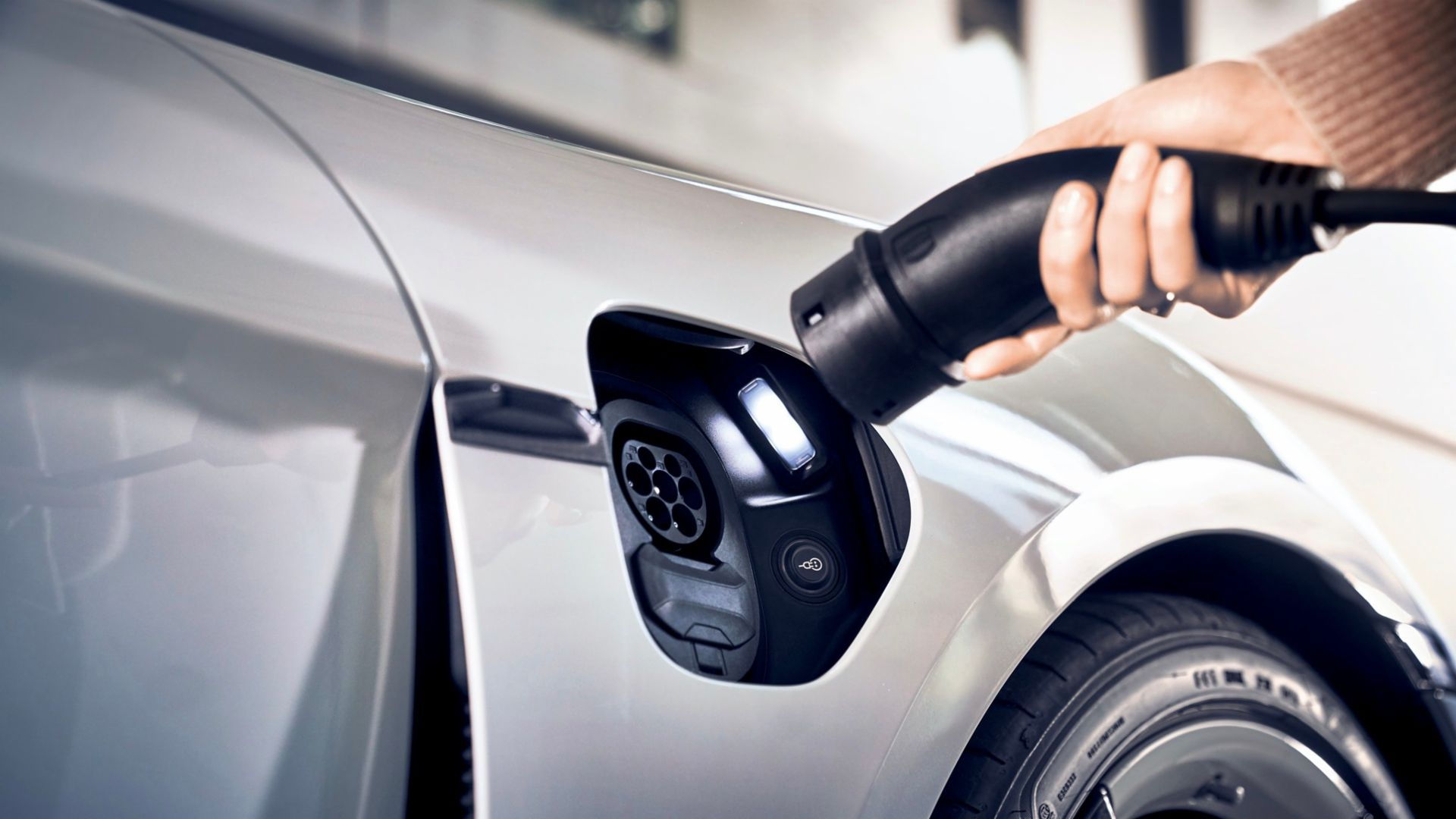
That's the question Ford Motor Company asked, then they set out to develop a system that would do just that. Today, they unveiled the industry's first EV-to-power grid communication and control system, allowing their plug-in hybrids to "talk" to electric grids across the nation. A driver can use the system to program when and how to recharge their vehicle. For example, a driver might program the system to charge only between midnight and 6:00 a.m., when utility rates are less expensive, or when the power grid is only using wind or solar energy.
There are currently 21 plug-in hybrid Escapes in test use at various utility companies scattered across the United States, and all of them will eventually be equipped with the new technology. The first of them, already specially equipped, has been delivered to American Electric Power in Columbus, Ohio.
"We are designing what plug-in hybrids and battery electric vehicles will be capable of in the future,” says Greg Frenette, manager of Ford's BEV Applications. "Direct communication between vehicles and the grid can only be accomplished through collaboration between automakers and utility companies, which Ford and its partners are demonstrating with this technology."
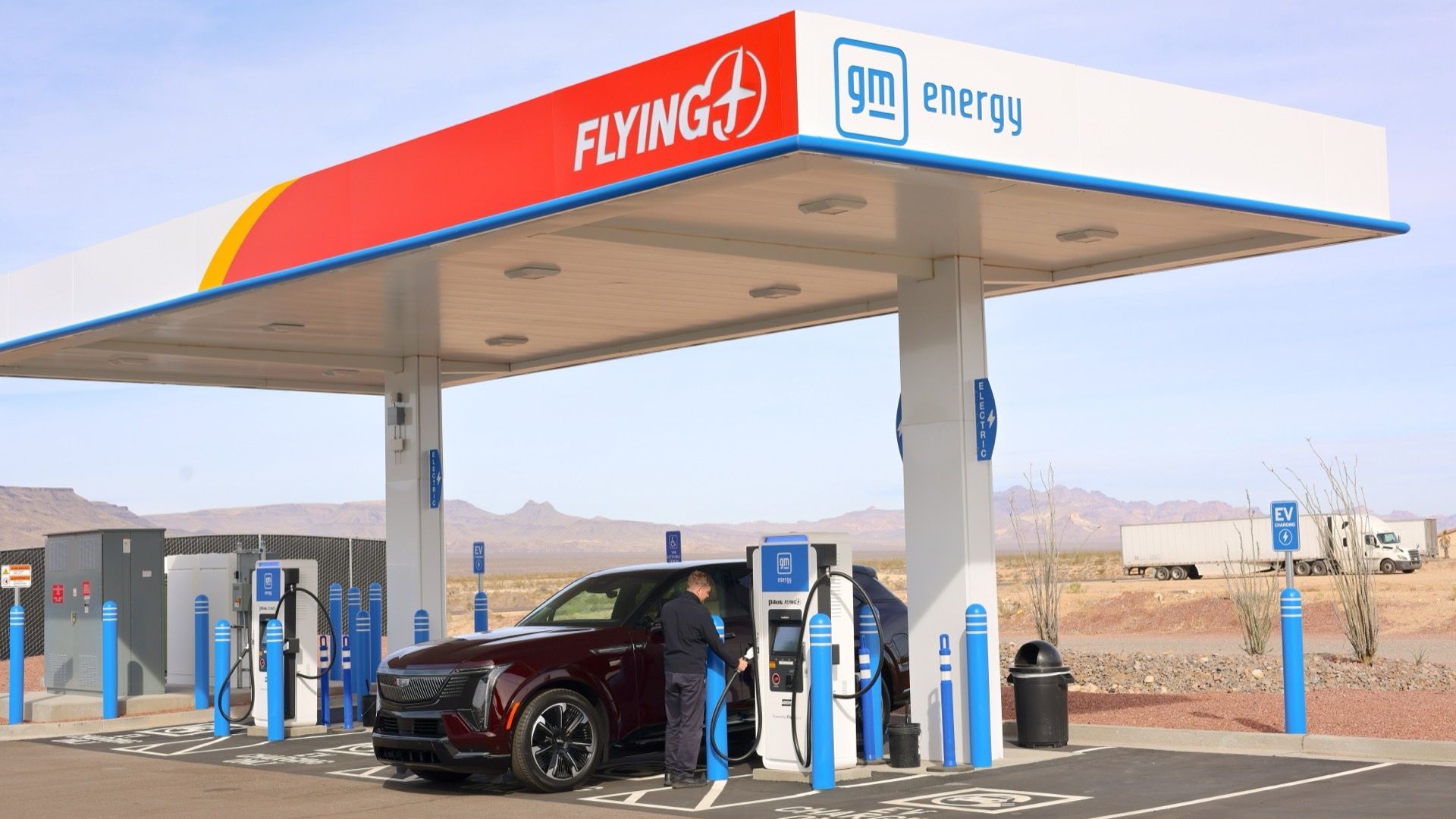
Indeed, the vehicle-to-grid communication and control system is a perfect example of the sort of collaboration Frenette meant. When connected, the battery systems in Ford’s plug-in hybrids will communicate with the grid through wireless smart meters provided by the utility companies. The driver would use their vehicle’s in-dash computer to do the actual programming, choosing when and how the battery would charge.
Ford’s utility partners include, among others, Southern California Edison, the New York Power Authority, American Electric Power, Progress Energy of Raleigh, NC, DTE Energy of Detroit, and the National Grid of Waltham, Mass.
Source and image: Ford Motor Company