
Coda electric sedan
Watch out, Volt. Beware, Tesla. Step aside, Nissan EV. There's a new cowboy in town. And his name is ... Coda.
If this quiet California startup has its way, it will launch the first all-electric sedan for sale in the US in autumn 2010. That's a few months before the much-touted 2011 Chevrolet Volt arrives at dealers.
Coda's new, fully electric four-door, five-passenger mid-size sedan will retail for $45,000, before tax credits that could cut the price to $35,000. And it will be the first highway-legal Chinese-built car sold in the US.
Until this month, Coda Automotive was a part of Miles Electric Vehicles, which has been selling low-speed electric fleet vehicles since 2005. The Santa Monica, California, company largely stays below the radar, but it has lofty ambitions.
Coda is the new name for the most ambitious Miles project, which aims to create and import a highway-capable car from China. The renaming creates a new brand with no connection to the slow, small, plastic EVs sold by Miles.
Electric range: 90 to 120 miles
The five-passenger Coda sedan will have a range of 90 to 120 miles, depending on the driver's duty cycle--which covers 94 percent of daily vehicle trips in the US. The company quotes a top speed above 80 miles per hour, and 0-60 times of 8.5 seconds.
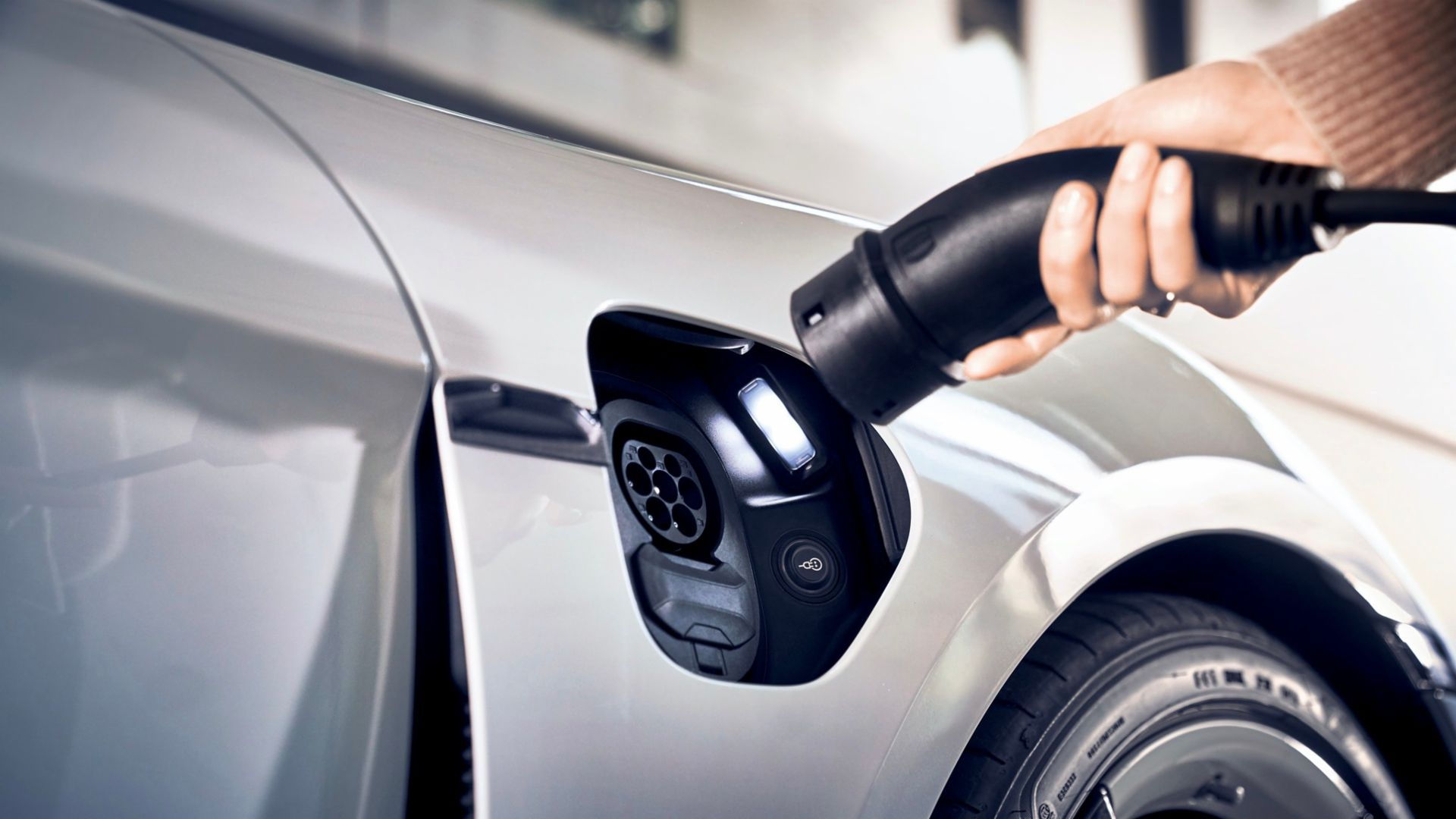
Coda claims a full recharge will take six hours using 220-Volt power, the same kind used by electric stoves and clothes driers. That means the onboard charger can add 40 miles of range (which covers 78 percent of US trips) in just two hours.
Given the high sticker price, Coda focuses on the much lower operating costs. On average, driving 100 miles on electric power will run the owner about $3--versus $17 in a 20-mpg car.
Including savings in mechanical maintenance (and fewer brake pads, due to regenerative braking!), Coda claims an owner will save $2,000 a year.
Coda's electric vehicles are also eligible for a $7,500 federal tax credit, as well as further credits from the state of California--the car's sole initial market.
Factory equipment includes the usual power windows, locks, and mirrors, a security system, anti-lock brakes electronic stability control, and aluminum wheels.
On the entertainment and electronics front, it comes with a navigation system that offers turn-by-turn instructions, roadside assistance, Bluetooth mobile-phone connection to an in-car microphone and speaker system, AM-FM-XM radio with Sirius satellite capability, iPod docking, and USB port.
Coda plans to offer a three-year, 36,000-mile warranty.
Finding the right car
Founder Miles Rubin has long been an environmentalist, but he knew it takes hundreds of millions of dollars to design and build a car (as Tesla Motors is learning as it tries to fund its all-electric Model S luxury sports sedan).
From his long business experience in China, Rubin came up with the idea of marrying an existing Chinese sedan to a Chinese-built lithium-ion battery pack. That's the sedan version of what Tesla did when it started with the Lotus Elise platform to design its Roadster sports car.
The company now known as Coda worked with the Chinese Automotive Technology & Research Center (CATARC) to survey dozens of Chinese-made vehicles.
They needed one that could be easily converted to electric power, manufactured to Western quality standards, and reliably “Federalizeda”—meaning it would comply with all the regulations and tests required by multiple agencies before it can be sold in the United States.
A special challenge would be crash safety. Thanks to YouTube, Chinese cars are fighting a PR disaster in Europe as they battle the reputation of being highly unsafe in crash tests.
A mix of Japanese design and European engineering did the trick for Coda. Its base vehicle is a Hafei Saibao 3—a four-door sedan built in Harbin, China, that sells for $12,000 with a gasoline engine.
The state-owned Hafei Automotive Group made roughly 240,000 vehicles in 2007, and the Saibao used Mitsubishi components. Italian design and engineering firm Pininfarina had styled it, and certified it for sale in Europe--which has stringent crash standards.
Making it move
With a vehicle identified, Coda needed a battery cell partner. The car's lithium-ion battery pack has roughly 37 kilowatt-hours of capacity, operating at 333 Volts.
Its lithium iron phosphate cells come from another state-owned company, Tianjin Lishen Battery, which assembles the packs and ships them to Hafei for assembly into the cars.
Coda owns the intellectual property around the pack design, the battery management system, and the integration of components like the regenerative brakes and stability control software.
President and CEO Kevin Czinger joined what is now Coda a year ago, after stints as a senior executive at Goldman Sachs & Co., the Webvan Group, and Global Signal. He was also active at Benchmark Capital and Fortress Private Equity Funds.
Czinger, who had done business in China while at investment bank Goldman Sachs, hired a major European automotive consultant it isn't yet identifying. That firm has worked to ensure that the new Coda sedan is reliably engineered and manufactured.
Every aspect of the car has been vetted, with hundreds of design, engineering, and process changes made to the base car. It has passed various crash tests, and the certification process continues.
Wanted: Green California customers
By limiting their early buyers to Californians, Coda's Czinger says, it feels it can attract not only first adopters but also the much larger audience of “environmentally conscious pragmatists.”
These professional, middle- and upper-income families are aware of issues around energy security and the environment. Some of them will take the next step, and want to make a statement by using a zero-emission vehicle for their daily travel--even if they have to pay a bit more.
Coda plans to work with customers intensively, to ensure that they have what Czinger called “a favorable environment for an EV”—a house close to a Miles service center, a predictable routine, and few climatic extremes.
“They know it’s the first step in a revolutionary change,” says Czinger, “and they won’t have to sacrifice any utility or safety.”
The sales experience, Czinger says proudly, will work with the potential buyers to understand their travel patterns—and offer “full disclosure” about range limitations.
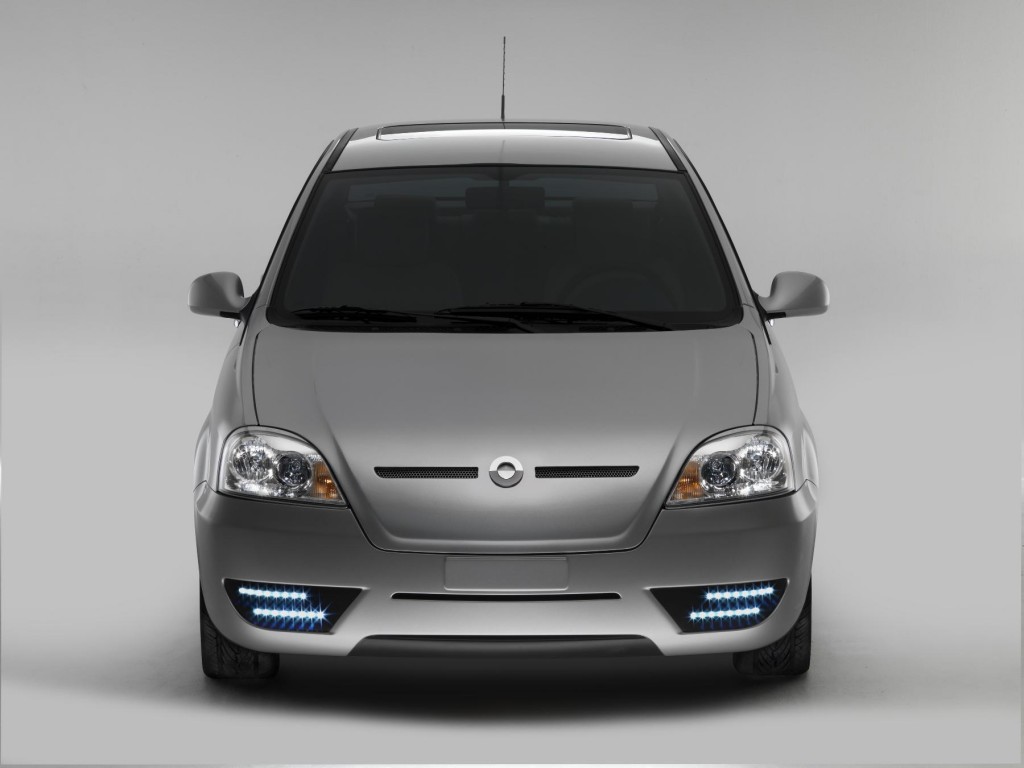
Coda electric sedan

Coda electric sedan

Coda electric sedan

Coda electric sedan
[SOURCES: Coda Automotive, HybridCars.com]